This is one outlet's own report from NBC News — the article as it was filed. Other outlets are covering the same event; open the full story to compare every source side by side.
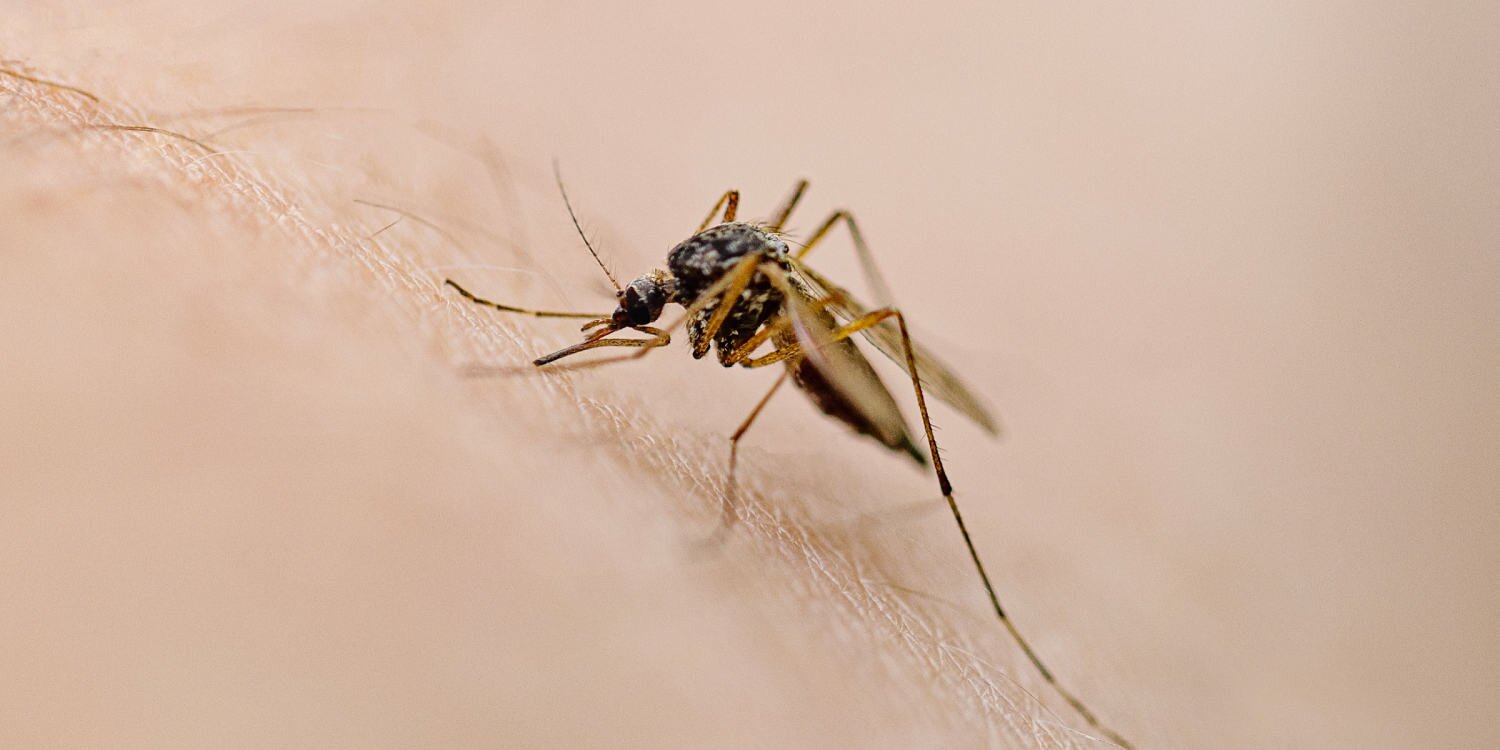
West Nile virus is most commonly spread through mosquitoes and symptoms can range from non-existent to severe. Getty Summer isn’t over yet — and neither is mosquito season, which means you still have a very real chance of catching West Nile virus. In fact, every year, cases of this virus typically peak in late August to early September, according to the Centers for Disease Control and Prevention (CDC). And the rise in cases has already started — in recent weeks, cases have been reported in 24 states, according to the CDC’s tracking website .
“Early data on weather patterns (and surveillance data suggest we may see the highest infection numbers [of West Nile virus] since the early 2000s,” says Dr. Jagdish Khubchandani , a professor of public health at New Mexico State University.
West Nile virus is most commonly spread to people through bites from an infected mosquito. And while Cleveland Clinic reports that most people who get infected don’t develop any symptoms, some do experience a mild, flu-like illness, while a smaller percentage can develop severe illness that requires hospitalization. With no vaccine or specific treatment available, prevention is key.
Below, we break down what you need to know about West Nile virus — including the symptoms to watch for and the best products on the market to protect yourself and your family from mosquito bites this season.
West Nile virus is most commonly spread to people through the bite of an infected mosquito. Research from the American Society of Microbiology states that mosquitoes pick up the virus after feeding on infected birds, then pass it along to people (and other animals) through subsequent bites. Each year, about 2,000 people in the U.S. are diagnosed with West Nile virus, though this is likely an undercount, since most people who get infected never develop symptoms or attribute mild ones to something else, according to the CDC . Mosquito season generally runs from June through October, with West Nile cases typically peaking in late August to early September.
While a mosquito bite is by far the most common way people get infected, it’s not the only one: In rare cases, West Nile virus can also spread through blood transfusions and organ transplants or from a mother to a baby during pregnancy, delivery or breastfeeding, according to Cleveland Clinic .
Most people who get infected with West Nile virus don’t develop any symptoms at all. But the CDC reports that about 20 percent of people will experience a fever along with other flu-like symptoms, sometimes referred to as West Nile fever. Symptoms typically show up two to six days after a bite, though it can take as long as 14 days before someone begins to feel ill. In rare cases — in less than 1 percent, to be exact — the virus can affect the brain or spinal cord, leading to more serious complications like encephalitis or meningitis.
The Mayo Clinic reports that the most common symptoms of West Nile virus include:
The timing comes down to biology. According to research published in the Journal of Medical Entomology , warm summer temperatures speed up mosquito larvae development, which drives mosquito populations up through the early and midsummer months. At the same time birds are laying and hatching lots of eggs and nestlings and fledglings create prime ways for mosquitoes to pick up the virus, according to Johns Hopkins Bloomberg School of Public Health .
The best defense against West Nile is simply avoiding mosquito bites in the first place. That means taking preventive measures to avoid getting bitten. “First, remember the peak activity times of mosquitoes — early morning and early evenings — and try to avoid going out at these times,” says professor Khubchandani. “Second, use quality insect repellants, especially during these times.” Khubchandani also suggests staying vigilant about your outdoor spaces — if you see a lot of mosquitoes around you, look to address the issue with products like mosquito dunks (more on those below).
Below, I’ve rounded up a few mosquito repellent products — including repellents and other items that will help you manage mosquitoes in your space — that experts have previously recommended to NBC Selected as good ways to ward off mosquitoes.
$ 8.58 Amazon Experts previously recommended these mosquito dunks as an effective way to prevent mosquitoes from taking over your home. Mosquito dunks are small round rings that you put in water — think ponds, bird baths and any other body of standing water. They work by releasing natural bacteria into the water. When mosquito larvae hatch, they eat the floating bacteria and the toxins kill them within 48 hours, according to the brand. Also helpful to know: These dunks aren’t toxic to other animals and they last for 30 days.
$ 54.99 Amazon $ 44.99 Target $ 49.95 REI This device essentially builds an invisible barrier around a small area to keep mosquitoes away. It’s rechargeable and disperses a repellent that works within a 20-foot radius, according to the brand. The device comes with a USB-C charging cable and several repellent cartridges, each providing up to 12 hours of protection. My 1-year-old son reacts terribly to mosquito bites — I’m talking huge welts that blister and swell — so we have one of these on our front porch and another on the back porch and they keep our home free from the biting pests.
$ 29.99 $ 59.99 Amazon Now 50% off Gootop’s Outdoor Bug Zapper can be hung from a patio awning or set on a table, ledge, or other flat surface. It works by emitting a blue light that draws in flying insects, then zaps them once they get close, helping clear the area of flies, mosquitoes, gnats, wasps and more. According to the brand, a single unit can cover up to half an acre. Cleanup is simple, too: Dead bugs collect in a removable tray at the base, which can b...
AIPROPX is an independent multi-source news index — we track, compare, and connect coverage from across the web into one place you won't find anywhere else.