This is one outlet's own report from Forbes — the article as it was filed. Other outlets are covering the same event; open the full story to compare every source side by side.
Forbes contributors publish independent expert analyses and insights. Gaurav Sharma is a London-based analyst who covers energy & ESG. Follow Author Jul 31, 2026, 08:46am EDT Jul 31, 2026, 10:25am EDT --:-- / --:-- This voice experience is generated by AI. Learn more . This voice experience is generated by AI. Learn more . Summary Energy giant BP is selling its North Sea business and operational assets, concluding 60 years of production in its home territory. This makes BP the final major energy company to exit the North Sea, following others like Shell and ExxonMobil. The decision, though impactful, is not surprising, as BP has steadily reduced its North Sea presence over 25 years due to dwindling reserves and high UK taxation, reaching up to 78%. CEO Meg O'Neill explained the sale allows BP to focus on higher-value global opportunities, while reaffirming commitment to its broader UK operations. Expected to fetch $1.75-$3 billion, the move challenges the new UK Prime Minister's recent stance on North Sea hydrocarbons, underscoring the irony of "British Petroleum" potentially lacking British production.
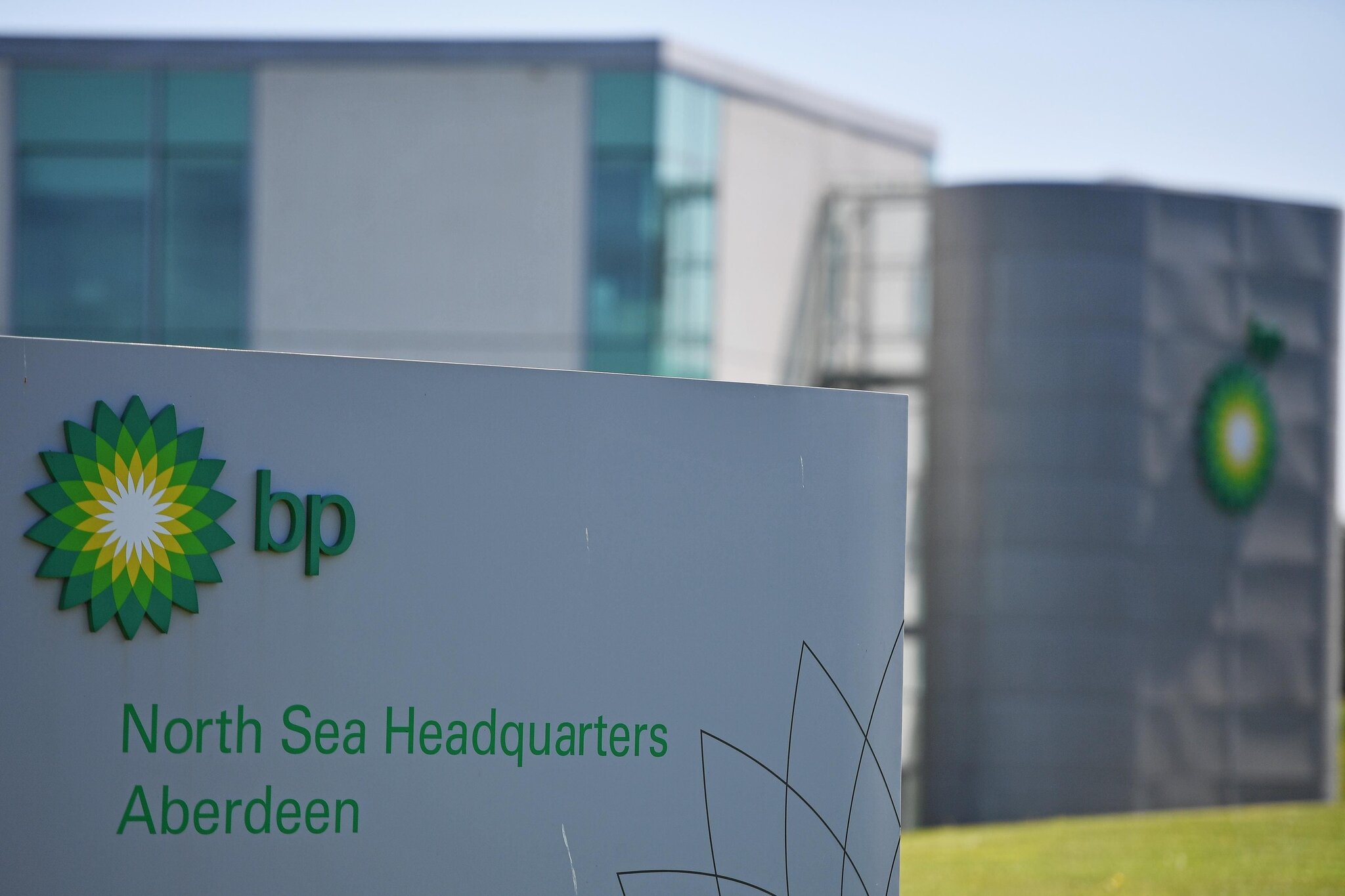
Energy giant BP (LON: BP) has put its North Sea business and operational assets for sale in move that will draw the curtain on 60 years of production on the company’s home turf.
The move for a sale, revealed on Friday, would upon completion see the last of the global energy majors leave the hydrocarbon basin. Chevron , ExxonMobil, Equinor, Shell and TotalEnergies have all either already sold assets or spun off their core North Sea holdings in recent times .
Despite its shock value, the move does not come as a surprise. BP has been gradually reducing its exposure to the North Sea over the past 25 years faced with dwindling reserves and rising domestic U.K. taxation impacting its business.
In 2003, BP sold its Forties field first developed in the 1970s. Several asset sales including the Forties pipeline system and Sullom Voe terminal followed in the subsequent years.
As things stand, its current North Sea holdings - limited to five production hubs largely clustered around West of Shetland and central zone - only account for around 117,000 barrels of oil equivalent per day, out of a group headline production of 2.3 million boepd declared in 2025.
Much of its present focus is on high-yield exploration hubs away from the U.K., particularly in the U.S. and Brazil. BP’s North Sea operations - headquartered in the U.K’s. energy capital Aberdeen - employ around 1,100 people.
Following the election of the country’s Labour party government, draconian levels of U.K. taxation, which in cases tallies up to nearly 78% of takings as well as operational complexities, may well have finally tipped the scales in favor of a sale for CEO Meg O’Neill.
In particular, the U.K. windfall tax component of total taxation now stands at 38% and is expected to remain at that level until March 31, 2030, with many mitigation measures having been withdrawn in 2024.
When O’Neill took over as BP’s boss earlier this year, she noted that the North Sea still has "untapped potential."
However, in a fresh statement commenting on the move on Friday, O’Neill said: "As we focus our portfolio and direct capital to our highest-value opportunities, we believe our North Sea business will be better positioned as part of another company.
"It has world-class people, resilient assets and a proud heritage, and it is precisely these qualities that can attract an owner ready to back its next chapter. We are seeking an outcome that recognizes that value."
She added: "The U.K. has been our home for more than 100 years and will continue to play an important role in our future. We’re proud of the jobs we create, the contribution we make to the U.K. economy, and the work we do to keep energy flowing every day."
In response to the development, BP’s shares traded higher at 549.10p ($7.36) at 7:00am EDT on Friday, up 1.14% or 6p.
The company said it remains committed to operating its North Sea business safely and reliably throughout the process until a suitable buyer is found. The sale is expected to fetch BP between $1.75 billion and $3 billion, contingent upon market conditions.
But the announcement comes as a blow to the new U.K. Prime Minister Andy Burnham, who in a break from his predecessor Keir Starmer expressed a "pragmatic" willingness to tap hydrocarbons in the North Sea earlier this week.
However, away from soundbites, Burnham’s officials have so far given few details on any potential awards of drilling licences, amendments to taxation levels or any industry incentives.
As the U.K. energy market takes stock of BP’s decision, a painfully ironic outcome is staring at it - a company that once called itself "British Petroleum" may soon have no British production hubs.
Disclaimer: The above commentary is meant to stimulate discussion based on the author’s opinion and analysis offered in a personal capacity. It is not solicitation, recommendation or investment advice to trade oil and gas stocks, futures, options or products. Oil and gas markets can be highly volatile and opinions in the sector may change instantaneously and without notice.
AIPROPX is an independent multi-source news index — we track, compare, and connect coverage from across the web into one place you won't find anywhere else.