NHL general managers have been giving out shorter-term contracts with higher per-season pay. Is this the new strategy? GMs giving fewer years on contracts means more leverage for the team.
Giving players more money and fewer years allows teams to trade them if they need to move off a contract. Recently, Connor McDavid signed a two-year contract with an annual value of $12.5 million. Of course, more money per season is a win for the players.
MORE: NHL players facing the most pressure entering 2026-2027 season
Why do Teams sign their players for short-term contracts?
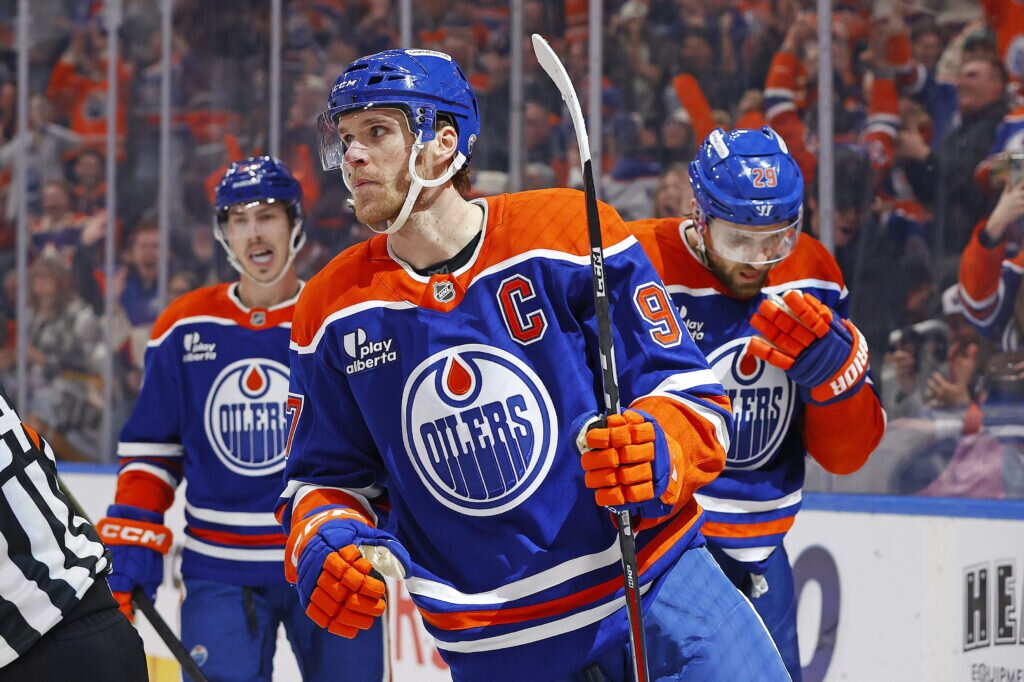
Edmonton Oilers forward Connor McDavid (97) during a game at Rogers Place. Mandatory Credit: Perry Nelson-Imagn Images Short-term contracts help the team more than the players because the teams have the leverage in the situation. The Oilers are signing Connor McDavid to a short-term contract, which puts the team in a better position with their salary cap.
Signing their top superstars can get them into injury trouble if it’s long-term. And if you sign one of your stars to a six-year deal, then teams have to worry about their future contracts with that one contract in the way.
More risk or more reward?
If the San Jose Sharks signed Macklin Celebrini to a seven-year deal, I think there is more of a reward than risk because the production is there, the Sharks have a young nucleus in Celebrini, and they can become a great team in the West. His contract now is still great, with him being on a five-year contract worth $94 million.
MORE: 5 NHL teams that will surprise in 2026-2027
Risky contracts in the NHL
Pittsburgh, Pennsylvania, USA; Pittsburgh Penguins right wing Ville Koivunen (41) passes the puck against the Washington Capitals during the third period at PPG Paints Arena. Mandatory Credit: Philip G. Pavely-Imagn Images Credit: IMAGN IMAGES via Reuters Connect (Reuters) Recently, a few players got luxurious deals, such as Alex Tuch, Ville Koivunen, and Darren Raddysh; these contracts have risks. Alex Tuch is 30 years old and signed an eight-year deal. He has put up strong numbers, but it comes with risks because, with him aging, there is more injury risk or concern.
Why smaller-term deals make sense
Smaller terms can make sense because you want to keep all of your elite players. A shorter deal gives the players another chance to hit the market and negotiate a bigger contract while they’re in their prime years.
Players often take risks by signing shorter contracts. By agreeing to a smaller deal, they can potentially increase their earnings if they perform exceptionally well over two years. This strategy allows them to elevate their contract value from eight million per season to twelve million, capitalizing on their peak performance years.
More flexibility for both sides is important. Players tend to leverage themselves, and teams try it too. Keeping it balanced helps players get another opportunity if things don’t cash in, or the team gets flexibility if things don’t work out.