This is one outlet's own report from Axios — the article as it was filed.
AIPROPX ReportAxios · 1h ago
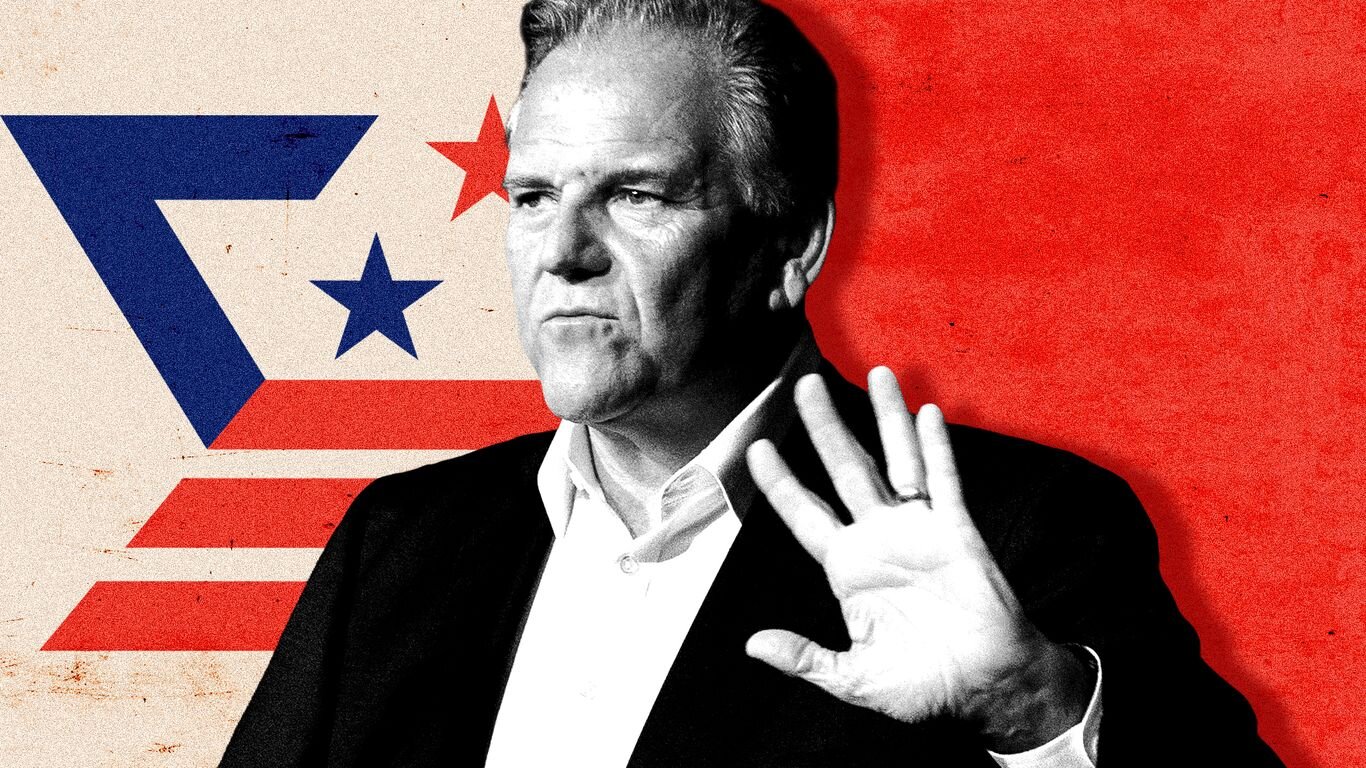
Scoop: Mike Rogers-AIPAC rupture roils Michigan Senate race
Allies of Mike Rogers , Michigan's GOP nominee for the U.S. Senate, have asked AIPAC not to advertise on his behalf, triggering a rupture with the powerful but polarizing pro-Israel group.
Rogers spoke with AIPAC chair Michael Tuchin in Los Angeles last week. The next day, AIPAC shelved an already-cut video ad targeting Rogers' Democratic rival, outspoken Israel critic Abdul El-Sayed.
Why it matters: The extraordinary tension underscores how far AIPAC's political standing has fallen amid voters' anger over the war in Gaza. Even Rogers — a staunchly pro-Israel Republican — fears the group's public support could be a liability in the Nov. 3 election.
Driving the news: The move by Rogers' team angered AIPAC officials, who had spent more than $30 million to try to defeat El-Sayed in the Democratic primary and prepared to spend millions more to help elect Rogers, according to people familiar with the conversations.
Zoom out: El-Sayed made AIPAC a centerpiece of his successful primary campaign, using the group's spending against him to portray Democratic opponent Haley Stevens as beholden to the pro-Israel lobby.
El-Sayed has called Israel a "rogue state," accused it of genocide and apartheid, and has declined to say whether Israel has a right to exist as a Jewish state.
That made defeating him a priority for AIPAC, which rarely mounts major spending campaigns in general elections.
Behind the scenes: Rogers' team warned AIPAC before the Aug. 4 Democratic primary that it believed El-Sayed would beat Stevens, though AIPAC held out hope Stevens would prevail. The two sides agreed to keep talking.
After El-Sayed narrowly won, AIPAC told Rogers' allies it wanted to continue its advertising offensive into the Nov. 3 general election.
But Rogers' team believed AIPAC's primary ads had backfired by giving El-Sayed a powerful foil — one he was eager to use again.
"AIPAC, if you're listening, come back and burn it again," El-Sayed said before his primary victory.
Rogers' allies urged AIPAC to get involved without putting the group's name front and center, people familiar with the talks told Axios.
One option: Directing AIPAC donors to a pro-Rogers super PAC instead of the group running its own ads, or a joint fundraising group the Rogers campaign has established with the national GOP.
Rogers' team also proposed hiring AIPAC's political strategists to help guide its effort.
But AIPAC officials weren't satisfied: The group wanted a visible role in defeating El-Sayed and argued that because Rogers is strongly pro-Israel, El-Sayed would tie him to the pro-Israel lobbying group regardless.
State of play: Direct talks between Rogers' team and AIPAC have now gone cold, prompting a broader GOP effort to broker peace. Jewish Republican donors with ties to both sides are acting as intermediaries, people familiar with the discussions said.
Some national Republicans now worry that AIPAC — whose super PAC ended July with nearly $60 million in the bank — will sit out the general election entirely.
Others say AIPAC has too much at stake to not jump into the Michigan race, and they expect the group to eventually reconcile with Rogers' team.
The big picture: AIPAC has suffered a string of high-profile defeats in Democratic primaries. The group's latest setback was Tuesday, when a candidate it opposed won a special election for a Northern California House seat.
Rogers is running in a swing state with one of the country's largest Arab American populations, giving him reason to tread carefully on Israel and Gaza.
A recent Fox News poll found 55% of Michigan voters oppose continued U.S. aid to Israel.
Reality check: El-Sayed's attacks on AIPAC may have less potency in the November general election than they did in the Democratic primary, where voters were more likely to be critical of Israel.
Operatives from both parties believe the Michigan race — like others in manufacturing-heavy states — is more likely to turn on voters' perceptions of the economy than their views on Israel.
What they're saying: "I welcome any and all support from the pro-Israel community and I'm proud to have their involvement," Rogers told Axios.
AIPAC representatives didn't respond to requests for comment.
ScoopMike RogersAIPACMichigan SenateAlliesMichigan's GOPU.SSenateIsraelRogersMichael TuchinLos Angeles
AIPROPX is an independent multi-source news index — we track, compare, and connect coverage from across the web into one place you won't find anywhere else.