This is one outlet's own report from Tehran Times — the article as it was filed. Other outlets are covering the same event; open the full story to compare every source side by side.
Oman understanding does not mean Hormuz reopening: Iran
TEHRAN- Iran has sought to temper expectations over a new understanding with Oman on navigation through the Strait of Hormuz, saying the arrangement does not amount to an immediate reopening of the strategic waterway.
Kazem Gharibabadi, Iran’s deputy foreign minister for legal and international affairs, said Tuesday that the country remained in a state of war and that the Strait of Hormuz had become a national-security issue following the recent conflict.
“The Strait of Hormuz will not reopen from tomorrow,” Gharibabadi said, stressing that the understanding reached with Oman should not be interpreted as a full reopening of the waterway.
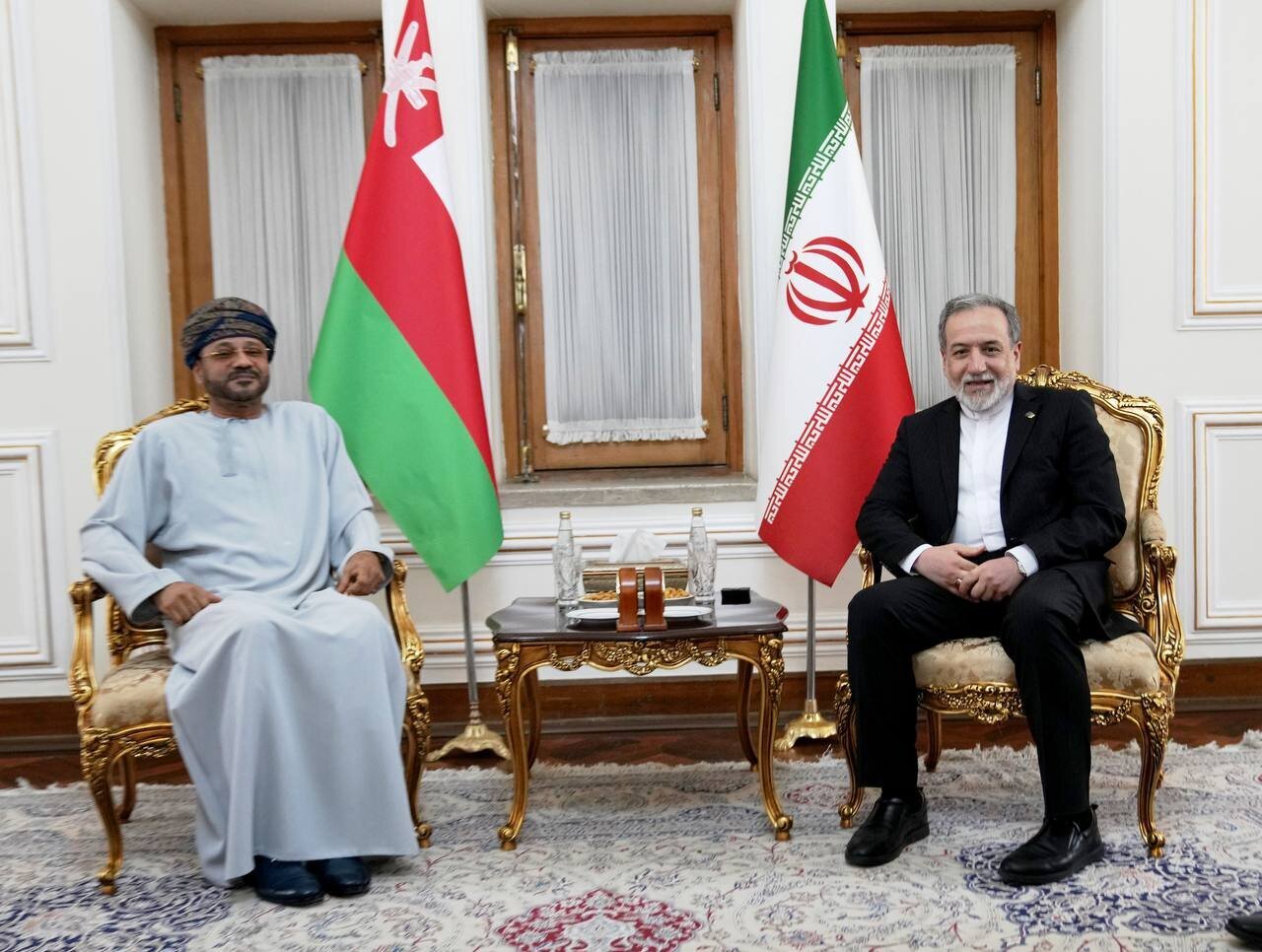
His remarks came a day after Omani Foreign Minister Sayyid Badr bin Hamad Al-Busaidi visited Tehran and held talks with Iranian Foreign Minister Abbas Araghchi on the future of maritime traffic through the strait.
Oman has played a longstanding role as a mediator in indirect dialogue between Iran and the United States and maintains diplomatic channels with both sides. It is also one of the two countries bordering the Strait of Hormuz, alongside Iran, giving Muscat a direct interest in the security and future management of the waterway.
The latest Iran-Oman talks produced a joint statement outlining a phased framework for restoring safe navigation while respecting the sovereignty and sovereign rights of the two countries. The proposal calls for a temporary joint maritime corridor and a joint project to clear mines from the strait.
Technical negotiations will continue on a permanent maritime corridor, future arrangements for managing the waterway, information-sharing, traffic management and maritime and security services. Tehran and Muscat also called for consultations with other Persian Gulf littoral states and stressed the need to respect international law and the sovereign rights of coastal countries.
The negotiations are taking place against the backdrop of the Strait of Hormuz’s extraordinary importance to the global economy. The U.S. Energy Information Administration has estimated that flows through the strait accounted for more than one-quarter of global seaborne oil trade in 2024 and the first quarter of 2025.
The United Nations Conference on Trade and Development has described Hormuz as one of the world’s most critical maritime chokepoints, carrying roughly a quarter of global seaborne oil trade.
The strategic significance extends beyond oil. The waterway also carries a substantial share of global liquefied natural gas shipments, making disruptions potentially consequential for energy prices, inflation and industrial activity far beyond the Persian Gulf.
A recent analysis by The Washington Post highlighted the geographical advantage enjoyed by Iran. The newspaper reported that Iran’s rugged coastline, elevated terrain and islands near the shipping lanes provide positions from which Tehran can monitor maritime traffic. Basil Germond, a professor of international security at Lancaster University, said Hormuz’s geography “amplifies Iran’s anti-access and area-denial leverage at low cost.”
Frank Galgano, an associate professor of geography and the environment at Villanova University, similarly pointed to the vulnerability of large commercial vessels navigating the narrow lanes of the strait. He said that because of the proximity of Iranian positions to shipping routes, vessels have very little time to respond to potential threats.
The Washington Post has also described Iran’s position along the northern coastline of the Persian Gulf as a structural advantage that cannot easily be neutralized. Even limited missile, drone or naval pressure can increase the perceived risk for shipping companies and disrupt traffic without requiring Iran to maintain a formal blockade.
That geographic advantage is particularly important because the navigable portion of Hormuz is constrained by shallow waters and narrow traffic lanes. The strait’s geography effectively funnels commercial vessels into a limited number of routes, increasing the consequences of any disruption.
Against this backdrop, Gharibabadi said the proposed navigation arrangement with Oman was temporary. He said Iran and Oman would have between 30 and 60 days to negotiate a permanent route that could eventually replace the previous maritime traffic system.
Under the proposed interim arrangement, vessels entering the Persian Gulf would use Iranian territorial waters, while the exit route would pass through Omani waters. Gharibabadi said shipping movements under the arrangement would involve Iranian waters and compared the proposed system to a two-way highway approximately seven nautical miles wide.
He also said the strait remained closed from a military perspective. Under the understanding, military vessels would not be permitted to transit, while commercial shipping would be allowed to use the proposed corridor.
The issue has become politically sensitive inside Iran, where some groups opposed to negotiations have criticized engagement with foreign governments and warned against what they regard as concessions to external powers.
Supporters of the talks have presented them differently, arguing that negotiations can be conducted from a position of strength and used to protect Iran’s national interests.
Parliament Speaker Mohammad Bagher Qalibaf, who is also leading Iran’s negotiating team in talks with the United States, recently rejected the characterization of negotiations as weakness. He argued that rational action from a revolutionary position, strong negotiations and efforts to secure the rights of the Iranian people should not be misrepresented as compromise or passivity.
Military and security authorities involved
Gharibabadi said the negotiations with Oman are being conducted by a joint working group involving the Foreign Ministry, Iran’s Ports and Maritime Organization, the Islamic Revolutionary Guard Corps Navy and the General Staff of the Armed Forces.
AIPROPX is an independent multi-source news index — we track, compare, and connect coverage from across the web into one place you won't find anywhere else.