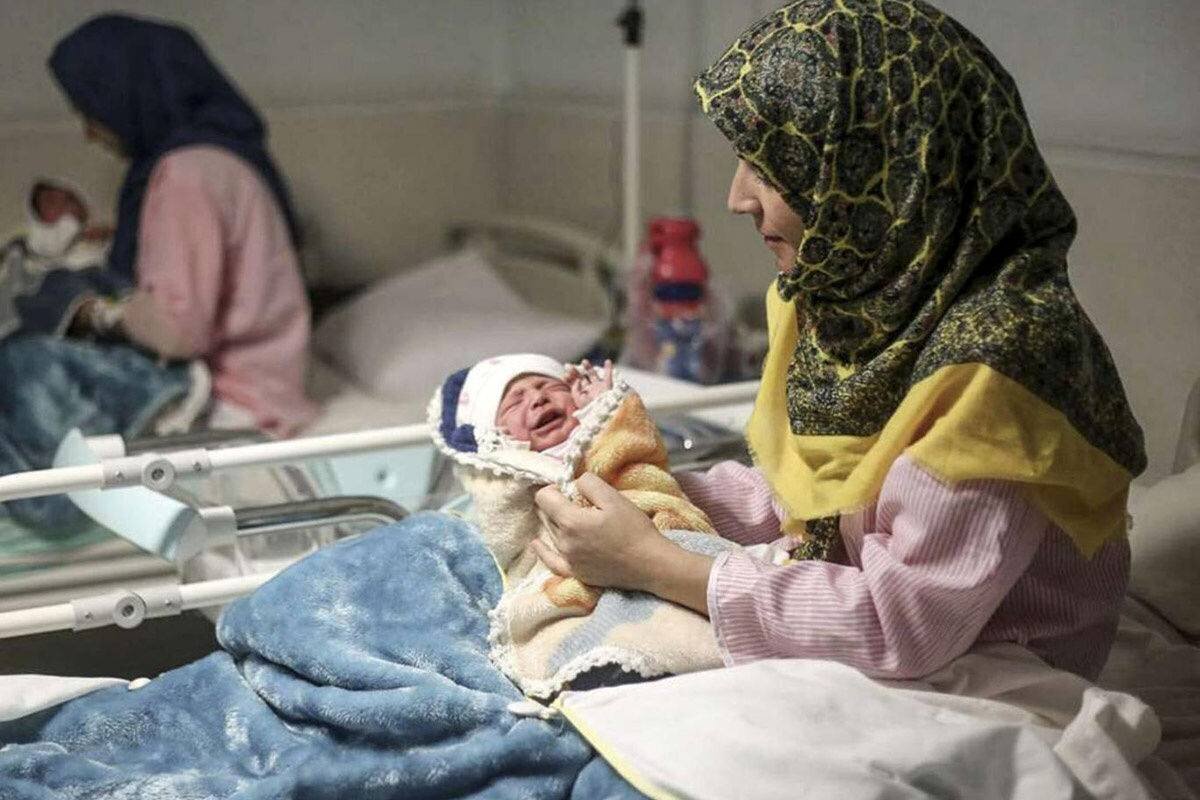
TEHRAN – World Breastfeeding Day 2026 is commemorated from August 1 to 7 under the theme ‘Breastfeeding for a sustainable start in life: strengthen what works,’ focusing on tracking progress, evaluating impact, and scaling proven approaches that improve breastfeeding outcomes.
In 2018, a World Health Assembly resolution endorsed World Breastfeeding Week as an important health promotion strategy. With a different theme each year, it aims to promote enabling environments that help women breastfeed – including support in the community and the workplace, with adequate protections in government policies and laws – as well as sharing information on breastfeeding benefits and strategies.
This year’s theme calls on governments, health systems, workplaces, communities, civil society organizations, and families to build on successful experiences and strengthen the ‘Warm Chain of Support’ for breastfeeding.
The health ministry is observing the week across the country; each day is centered on a specific topic, IRNA reported.
Saturday, August 1, Breastfeeding for a sustainable start in life: mothers and children’s basic right to health
Sunday, August 2, Breastfeeding in crisis and war: empowered mother, successful breastfeeding
Monday, August 3, Youth population and breastfeeding, supportive families, successful breastfeeding, donating breast milk
Tuesday, August 4, Baby-friendly centers: effective care for mother and baby
Wednesday, August 5, Breastfeeding: a social responsibility; mother and child-friendly workplaces
Thursday, August 6, Supportive Policies and Laws; inclusive society, healthy generation
Friday, August 7, A dignity-centered approach, investing today for tomorrow’s health
Breastfeeding is one of the most effective ways to ensure child health and survival. However, contrary to World Health Organization (WHO) recommendations, fewer than half of infants under 6 months old are exclusively breastfed.
Breastmilk is the ideal food for infants. It is safe, clean, and contains antibodies which help protect against many common childhood illnesses. Breastmilk provides all the energy and nutrients that the infant needs for the first months of life, and it continues to provide up to half or more of a child’s nutritional needs during the second half of the first year, and up to one third during the second year of life.
Breastfed children perform better on intelligence tests, are less likely to be overweight or obese, and less prone to diabetes later in life. Women who breastfeed also have a reduced risk of breast and ovarian cancers.
Inappropriate marketing of breast-milk substitutes continues to undermine efforts to improve breastfeeding rates and duration worldwide.