This is one outlet's own report from Motor1 — the article as it was filed. Other outlets are covering the same event; open the full story to compare every source side by side.
Honda And Nissan Sign Big Software Deal After Failed Merger
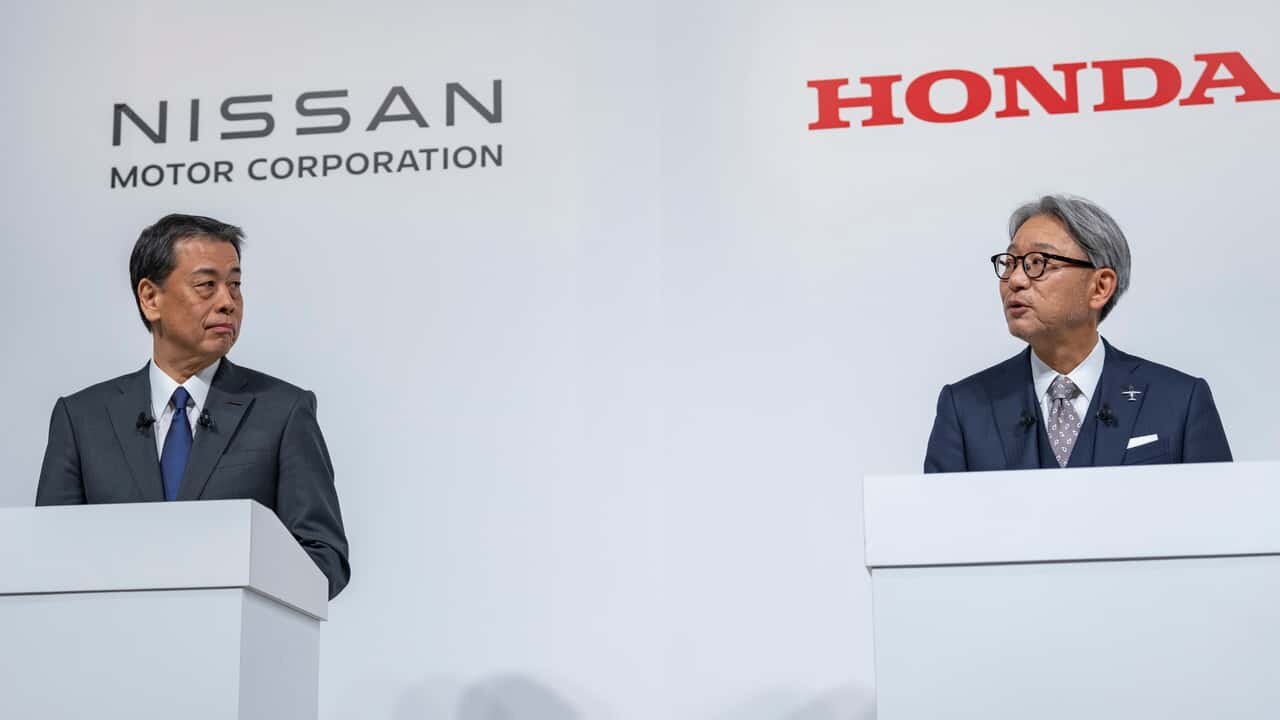
Honda and Nissan signed a joint development agreement Aug. 31 to standardize ECUs, the in-vehicle OS, middleware and vehicle-control software for fiscal 2029.
No merger or new company; engineers will write the same code for future gas, hybrid and electric models.
The shared OS aims to enable over-the-air software updates that add features after purchase.
Honda and Nissan just told the world what they are actually building together\u2014and it is not a merger. The two companies signed a joint development agreement on August 31 to standardize the electronic control units, in-vehicle operating system, middleware, and vehicle-control software that will run their next-generation cars.
The target is fiscal year 2029. Nothing here creates a shared platform or a new company, but it does mean Honda and Nissan plan to put the same jointly developed code into the computers that will sit inside future gasoline, hybrid, and electric models from both brands.
What Honda And Nissan Are Actually Standardizing
The agreement covers four specific layers: several core ECUs inside the electronic architecture, the in-vehicle operating system itself, key parts of the middleware that sits between hardware and apps, and the vehicle-control software that runs on top.
Biz Chosun says the new operating system and ECU setup are based on Nissan technology, but the two companies have not confirmed that detail in their own statements. Honda's regulatory filing confirms the fiscal 2029 timing but adds a financial caveat: the pact will not materially affect Honda's consolidated results for the year ending March 2027, so the heavy spending comes later.
Neither company has named a specific model yet, although Honda has already shown where its hybrid setup is going in sedan and SUV prototypes, while Nissan's\u00a0upcoming hybrid system\u00a0could run on the same shared computer once it arrives.
Eighteen months ago, this same pairing was weighing a much bigger move. Honda, Nissan, and Mitsubishi signed a memorandum of understanding in late 2024 to study business integration and a possible strategic partnership. In early 2025, merger talks collapsed amid disagreements over control and structure.
Honda has framed the current setup strictly as a strategic partnership, not a prelude to reviving those merger discussions or a new capital tie-up. In the months leading up to the signing, Honda's CEO teased a broader Nissan deal, but separately dismissed speculation about a body-on-frame collaboration. This cautious approach signals that both automakers are being highly deliberate about which projects they actually share.
For drivers, the practical upside of a common operating system is the same one Tesla and the Chinese EV makers have leaned on for years: software updates that add features after the car is already in a driveway, rather than locking capability to the day it left the factory. Whether that shows up first in an electric SUV or a hybrid sedan, the two companies have not said. They have confirmed that the clock is now running toward a real production date.
Motor1's Take: Drivers should see more frequent feature updates and lower software costs. For both makers, it's a low-risk way to catch up on software.
Watch whether shared code stays limited to software or pulls in hardware and suppliers. Rollout speed will tell if this stays pragmatic or becomes deeper cooperation.
More Corporate Collaborations: Mavis Officially Buys Pep Boys For $700 Million, Putting 800 Stores Under One Roof GM And China Are Teaming Up For Another 20 Years
AIPROPX is an independent multi-source news index — we track, compare, and connect coverage from across the web into one place you won't find anywhere else.