This is one outlet's own report from Deutsche Welle — the article as it was filed. Other outlets are covering the same event; open the full story to compare every source side by side.
Dutch crops hit the "climate gym," a German city is constructing for more extreme weather, and beavers are restoring rivers across Europe. This week's eco wins are all about building for a changing climate.
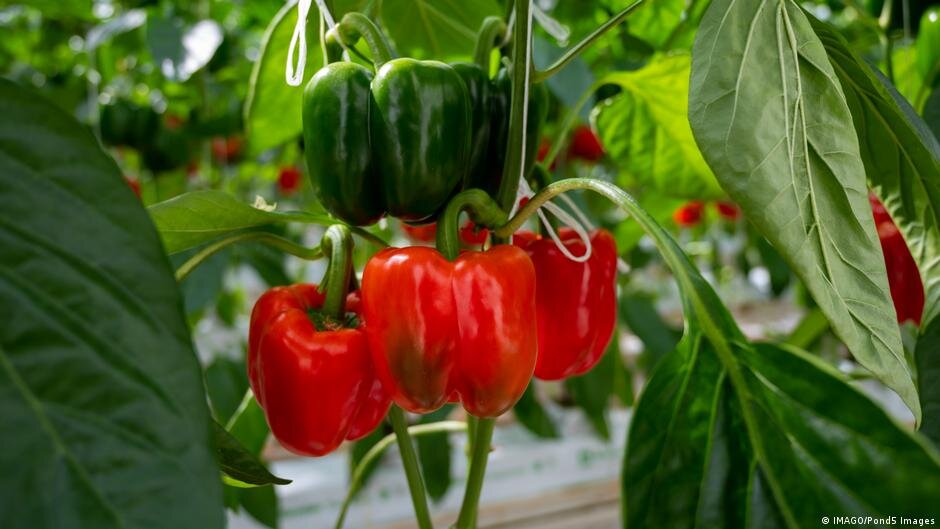
https://p.dw.com/p/5IqIp Advertisement The Netherlands is putting plants through their climate paces How will the world feed 10 billion people with less land, less water, and unpredictable weather? The Netherlands, also known as agriculture's 'Silicon Valley', knows a thing or two about it.
It's already the world's second biggest exporter of agricultural products after the United States, despite being a fraction of its size.
Now, in some of the country's greenhouses, scientists are using high-tech means and reams of data to figure out which crops will be resilient in a changing climate.
Can we build a climate-proof crop? To view this video please enable JavaScript, and consider upgrading to a web browser that supports HTML5 video
In October 2023, the northern German city of Kiel saw the worst storm surge in more than 150 years. It destroyed dikes, collapsed coastal cliffs, and devastated marinas. It shocked city officials into reimagining infrastructure to cope with more frequent and intense weather extremes linked to human-made climate change.
Ideas range from cool city corridors and green facades to flooding soccer pitches at certain times of the year and adapting daily schedules to heat. Find out more about what Kiel is doing, alongside other cities worldwide.
Ever dreamed of becoming a wildlife photographer? Destinations in Egypt are getting tourists to snap photos of sea turtles to help with conservation efforts.
These underwater creatures have unique markings on their faces — almost like human fingerprints. Researchers use them to identify individual turtles and even track injuries. If they spot a turtle that's recovering, they can alert authorities to steer boat traffic away from that area.
After being hunted to near extinction for their fur, meat and scent glands in the early 20th century in Europe, beavers are so back.
Thanks to major long-term rewilding efforts across the continent, populations have skyrocketed from about 1500 wild Eurasian beavers in 1900 to 1.5 million today.
Beavers are the engineers of the animal world. They build dams that help filter water pollutants, reduce the impacts of flooding, wildfire and drought, and recharge underground aquifers. And they're fixing wetlands and rivers across Europe — from Spain to Russia.
How this animal is fixing our messed-up rivers To view this video please enable JavaScript, and consider upgrading to a web browser that supports HTML5 video
AIPROPX is an independent multi-source news index — we track, compare, and connect coverage from across the web into one place you won't find anywhere else.