Buy Now Multiple Buying Options Available $1,099 at Amazon (Pro) $1,299 at Amazon (Pro XL) $1,099 at Best Buy (Pro) $1,299 at Best Buy (Pro XL) Comment Loader Save Story Save this story Comment Loader Save Story Save this story Rating: 7 /10
WIRED Classy design. Bright, colorful screen. Nice improvements to the camera experience. Magic Capture can be useful. Gemini Intelligence is helpful, if limited. Rambler might be Google's best feature in years. Still the only major Android phones with Qi2 magnets. TIRED HiLight is pretty useless. Some graphics issues and generally unimpressive gaming performance in demanding titles. Battery life is just adequate. There is one new feature on Google's Pixel 11 series that, I kid you not, caused my jaw to drop. It's an upgrade over one of my most-used Pixel features: voice-to-text.
I am a swipe typer , whizzing my finger across letters to form words instead of tapping each key individually. But I'm also heavily reliant on voice typing. Google's Pixel phones are far and away the best at it; more accurate at understanding my words than iPhones and Samsungs , not to mention sprinkling in punctuation at the right moments.
With the Pixel 11 devices, there's a new feature called Rambler —an upgraded, AI-powered voice-to-text feature—that is smarter than anything you've probably used before. Tap the microphone button on Gboard, and start talking. The Pixel will strip away the “ums” and “uhs,” and if you make a mistake and restate something, it won't bother to include that bit in your message, only keeping the parts it believes you want to convey. You can even ask it to add bullet points or an emoji to format your message, all in the same breath.
The accuracy of the voice-to-text is incredible, especially as you see it understand the mistakes, pauses, or vocal fillers. But what really made my eyes widen was speaking in my mother tongue, Malayalam. Rambler did a surprisingly great job at romanizing my words into English—a way I sometimes type to my family because I can't read or write the language. It's something I've never been able to do with a smartphone's voice-to-text function. To top it off, I asked it to translate the transcribed sentence into Malayalam, and it did the job. I fired off the messages to my Mom, and she said, “Very good.” High praise indeed.
These are the kinds of features that make a Pixel phone feel joyous to use. Smart, helpful everyday capabilities that can make a genuine impact on your day. Call Screen is another one of them, a feature Google pioneered that filters spam and robocalls and is now a staple in competing devices. Google Recorder is another I use every day, turning what was once a basic recording app into a powerful on-device transcription service.
Rambler, exclusive to the entire Pixel 11 range, may end up coming to older Pixel devices—Google hasn't shared details yet. It's not even restricted to the Pro devices, which is what I've been testing the past week.
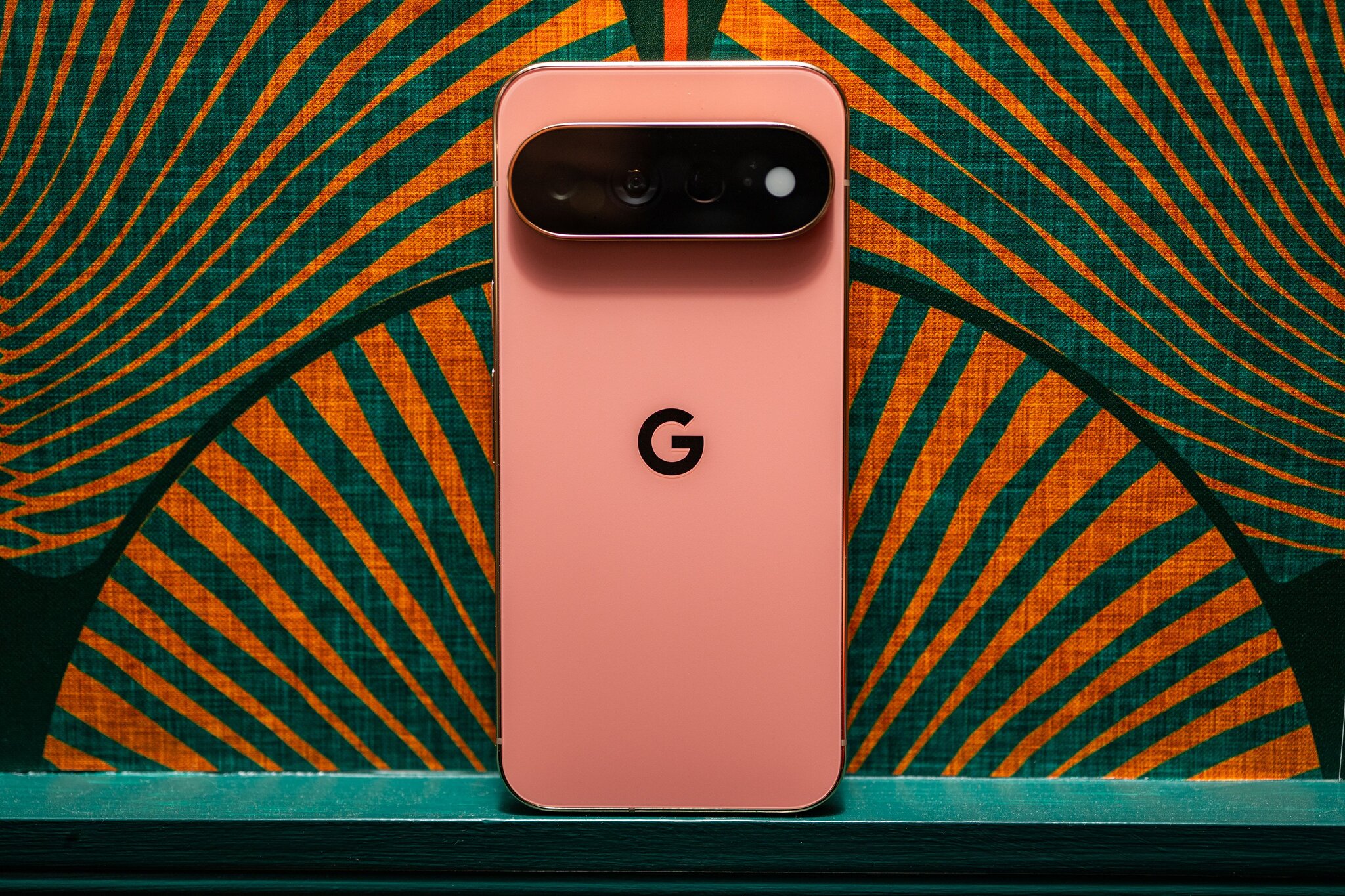
The Pro Pixels this year are not a major leap over their predecessors . Many of the improvements are with the cameras—still a big reason to buy a Pixel—but there are some minor, welcome upgrades, like a scratch-resistant display coating, a brighter screen, more base storage, and faster charging. I quite like the all-glass camera bar, which looks especially elegant in the new colors (and most importantly, doesn't rock on a table ).
HiLight is one of the big new exclusive features—unavailable on the base Pixel 11—and I'm disappointed to say that you're not missing much. This LED glows when your phone is face down and when you activate Gemini, so you know the assistant is listening, much like Google's new smart speaker ; it can light up a specific color when someone calls you, allowing you to stay somewhat connected. Except there are only five colors to choose from.
If I want to set a HiLight color for more than five people in my Contacts app, I'll have to reuse colors, rendering the feature useless—it's baffling that there's no color wheel. While Google says HiLight will support text message notifications in the future, it's bizarre that this simple capability isn't available at launch. I'm all for weird, quirky features on smartphones , but HiLight is too limited to be useful. Maybe, in a few Pixel generations, it will disappear, much like the temperature sensor from three Pixels ago .
For the vast majority of Pixel owners, you won't run into any performance issues with Google's new Tensor G6 chip. But for the sliver of folks who want to dip into high-end gaming—and why shouldn't they? These are flagship phones that cost $1,099 and $1,299, respectively—prepare to be bummed. Standard games like Tennis Clash and Pako Forever ran without a hitch, but demanding titles like Zenless Zone Zero struggled to run smoothly. Worse was Genshin Impact , which gave me a purple screen that was impossible to play.
A Google spokesperson tells WIRED: “We are currently working with our partner HoYoverse to address this optimization issue on the Pixel 11. A fix is expected to be implemented in Genshin Impact 's upcoming update.” In fairness, this graphical issue didn't happen in any other games I tried, even Zenless Zone Zero , another HoYoverse game.
Pixels have had this kind of suboptimal graphical performance for a long time, and it's becoming increasingly harder to ignore at these ever-increasing smartphone prices , especially when these issues aren't present on its peers. Will there ever be a Pixel with flagship-grade gaming performance?
Rambler is the breakout software feature for me this year, but Google is also highlighting Gemini Intelligence and “Proactive Assistance,” where Gemini will surface helpful actions. For example, my friend suggested getting dim sum this weekend, and when asked when to meet, a bubble popped up in the Messages app letting me quickly view my calendar without leaving the app. Then, when we settled on a time, another bubble popped up asking i...