
This is one outlet's own report from Forbes — the article as it was filed.
Russia Never Realized Full Potential Of Syria’s Tartus Naval Base—And Never Will
Aerospace & Defense Russia Never Realized Full Potential Of Syria’s Tartus Naval Base—And Never Will By Paul Iddon ,
Forbes contributors publish independent expert analyses and insights. Paul Iddon is a freelance journalist focused on Middle East affairs. Follow Author Aug 23, 2026, 02:56pm EDT --:-- / --:-- This voice experience is generated by AI. Learn more . This voice experience is generated by AI. Learn more . Summary Syria and Russia signed a memorandum in early August, ending Russia's autonomous control over the strategic Tartus naval and Hmeimim air bases. These sites, previously under Russian dominance with a 49-year lease granted by the Assad regime, will now transition to Syrian civilian administration. Military facilities will become training centers, with Russian troops remaining under Damascus's terms, a stark reversal of their former privileged status. This shift follows the fall of the Assad government in December 2024, forcing Moscow to negotiate a new, more pragmatic partnership. While Russia retains a presence, the era of it operating these as independent military outposts is over. Its grand plans for the bases never fully materialized, especially after the Ukraine invasion and Assad's ouster.
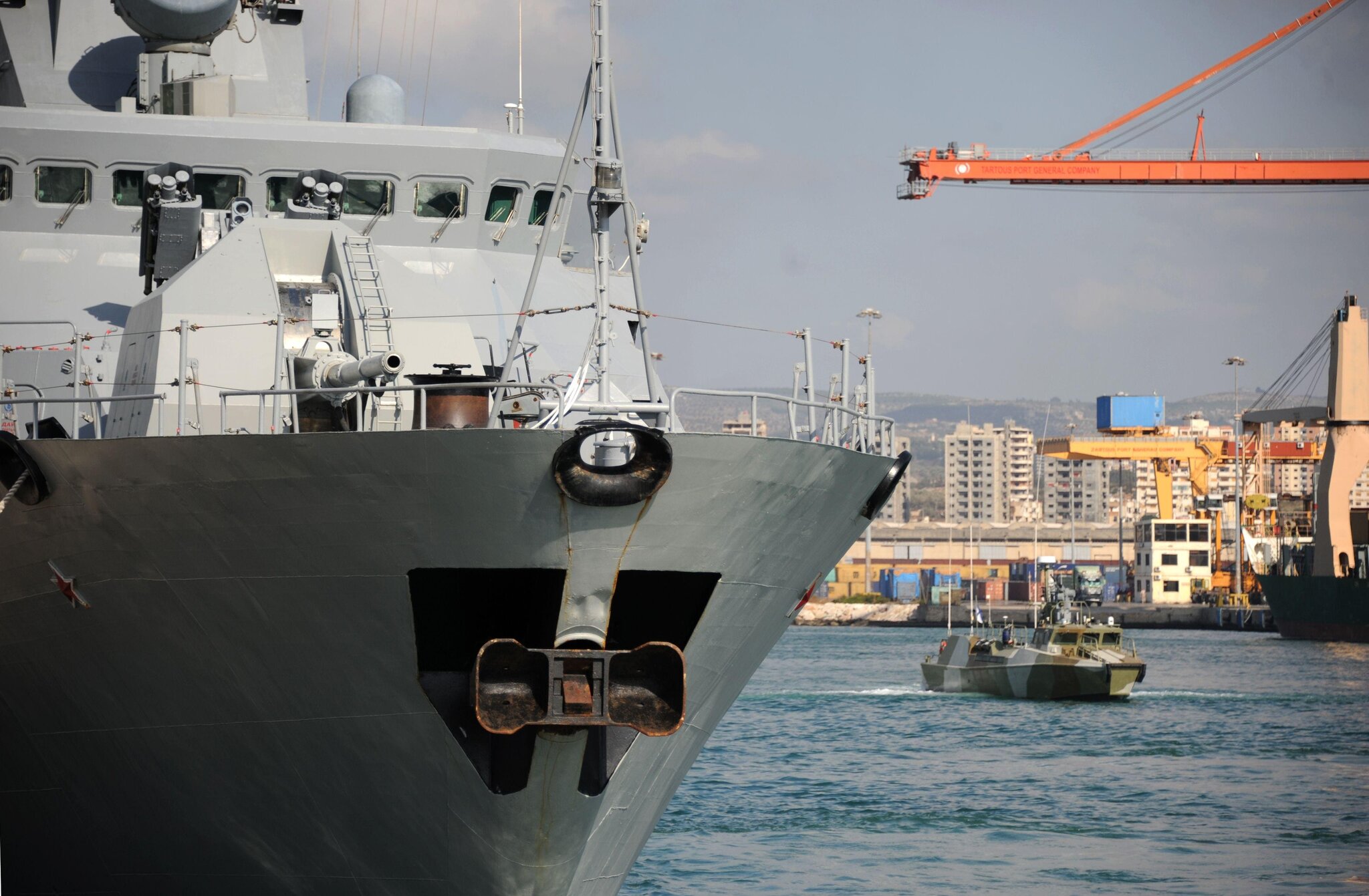
Syria and Russia reached a memorandum of understanding in early August on the future of Russia’s access to the strategic coastal Tartus naval and Hmeimim air bases. While Russia will still retain conditional access going forward, the days of it largely controlling these sites as overseas military bases are over for good. In retrospect, Moscow never realized the full strategic potential of its access to Tartus, which dates back to the early 1970s.
Syria announced the memorandum on August 9, saying it was the culmination of about 18 months of negotiations led by the Foreign Ministry.
“The memorandum provides for state management of civilian facilities, including Hmeimim Airport and the fourth commercial quay at Tartus Port, bringing them gradually under civilian administration,” Syria’s state-run Syrian Arab News Agency reported on August 10. The takeover of Tartus, the SANA report outlined, “is set to boost the port’s operational capacity, speed up cargo handling and ease pressure on other berths.”
Additionally, military facilities at the site will become training centers after a three-month transitional process. So, while Russian troops can stay, they will stay under terms decided by Damascus, a complete reversal of the privileged arrangement Moscow enjoyed before December 2024, including legal immunity for Russian troops and their families. Long gone are the days when Russian President Vladimir Putin could summon his Syrian counterpart from the presidential palace in Damascus to Hmeimim to meet him. In one such surprise visit in December 2017, Assad was physically blocked by a Russian soldier from following the Russian leader in a degrading reminder of who was boss in that relationship. Today, it’s the remaining Russian soldiers in Syria who follow the rules of their hosts.
“The agreement does not mean a complete Russian withdrawal from Syria,” noted Ibrahim Hamidi, editor-in-chief of the Saudi-owned Al Majalla. “But according to what has been announced, it does mark the end of the ‘Russian bases’ model established under the Assad regime and a transition toward a new Russian presence regulated in agreement with Syria’s new government.”
India’s The Sunday Guardian was much more scathing. “Strip away the diplomatic language, and the meaning is clear enough: Russia no longer runs its own military bases in Syria,” wrote John Dobson. “It will retain a presence in some repurposed and jointly managed form, but the era of Moscow operating Tartus and Hmeimim as autonomous Russian military outposts is over.”
Russia previously enjoyed unrestricted access to these strategic bases when Assad ruled over the country. The Syrian dictator gave Moscow unprecedented concessions in the form of a 49-year lease in the late 2010s. The Russian military helped prop up his brutal regime during the bloody Syrian civil war, in which it directly intervened in September 2015. Hmeimin served as a hub for Syrian warplanes that repeatedly bombed anti-Assad opposition groups, killing several civilians and destroying large parts of Syria’s infrastructure, including hospitals and medical facilities, in the process. Tartus served as a logistical hub for Russian warships operating in the Mediterranean Sea. Beyond giving Russia a foothold and a warm-water port, these bases were also vital for sustaining and resupplying its military and paramilitary operations in Africa.
That privileged position looked in jeopardy as Assad’s enemy, Ahmed al-Sharaa, spearheaded a lightning offensive in late November 2024, culminating in the capture of Damascus by December 8. Assad fled to his new life in ignominious exile in Moscow, evacuated via plane from Hmeimim. Russia quickly went from bombing Sharaa’s forces when he led the armed Islamist group Hayat Tahrir al-Sham to embracing him as Assad’s successor. It withdrew most of its strategic weapons, including its long-range S-400 missile systems , from the bases shortly thereafter but pursued negotiations with Sharaa’s new government over their future status, hoping to preserve some foothold. By early 2025, Hmeimim and Tartus were a shadow of their former selves. Russia’s remaining troops in Syria found themselves at the whim of the new government in Damascus for access and even security given the precarious and “basically defenseless” position they now found themselves in the new post-Assad Syria. Still, they retained them, even during the sectarian violence that terrorized the coastal region around them that March, leaving thousands of Alawites dead in its wake.
Moscow and Damascus spent months negotiating the future status of Hmeimim and Tartus. In October 2025, Russian Foreign Minister Sergey Lavrov suggested that they could serve as “humanitarian hubs for sending h...
◆ AIPROPX index record
- Region
- US
- Detected names
- TartusHmeimimLatakiaMoscowNow
AIPROPX is an independent multi-source news index — we track, compare, and connect coverage from across the web into one place you won't find anywhere else.