Jarrett Bell has been covering the NFL for USA TODAY since 1993 and is a recipient of the Pro Football Hall of Fame's Bill Nunn Memorial Award for career achievement. He's been a member of Hall of Fame selection committee since 1997 and has voted on AP awards and Super Bowl MVP panels for more than 25 years. Each Monday during the 2026 season, he'll take you around the league as only he can to uncover what mattered most and what it means. This story is from his latest column.
Ultimately, the legacy of O.J. Brigance went so far beyond football. Sure, as the leader of the Ravens special teams units, he fittingly made the first tackle of Super Bowl 35 on the opening kickoff. He had the distinction, too, of being the only player to win a Super Bowl and a Grey Cup while representing the same city, Baltimore.
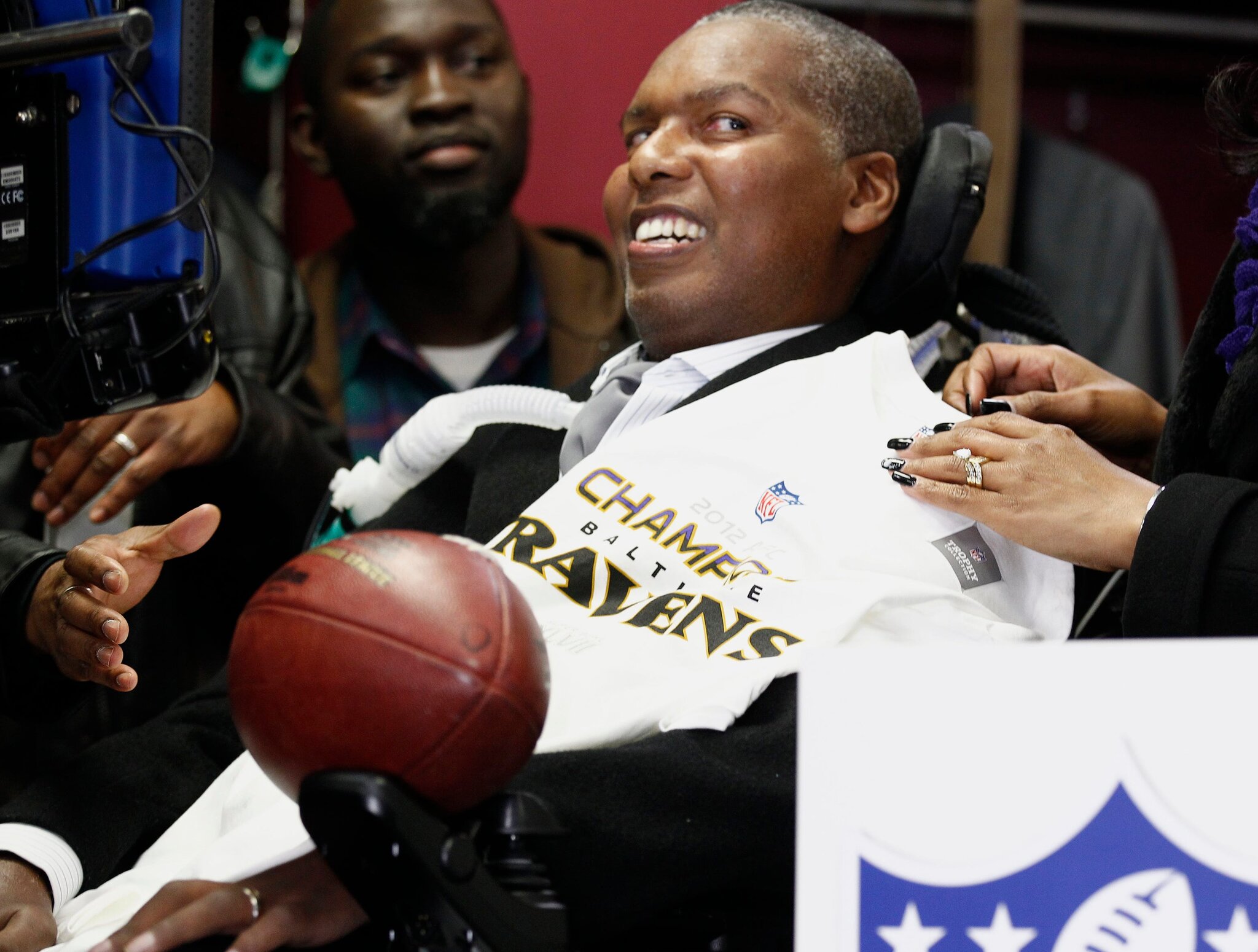
Yet his defining legacy comes in more human terms, wrapped in the determined spirit Brigance demonstrated for so many years as he battled ALS – and remained active with the Ravens despite limited physical abilities.
The team announced the death of Brigance, 56, last Monday .
After being diagnosed with ALS in 2007, Brigance, who worked as the player development director following his playing days, kept an office at the team’s headquarters and continued connecting with those relationships. He regularly attended practices, too.
Never mind that Brigance used a motorized wheelchair and eye-tech technology to communicate after losing his ability to speak. ALS, also known as Lou Gehrig’s Disease, attacks the nervous system as has no known cure.
“It was as if he didn’t have the disease,” Ozzie Newsome, the former GM and current executive vice president, told USA TODAY Sports. “He was in a wheelchair, but everything he had done prior to the disease, he still continued to do it.”
Newsome said that during his GM tenure, Brigance provided a crucial benefit built on relationships developed with players he consulted on myriad off-the-field matters. “He was unbelievable with that, the trust he gained with those guys, while never compromising his responsibility to the Ravens,” reflected Newsome, who built two separate Super Bowl championship teams. “He was an unbelievable help for me in that sense, because of the way players reacted to him. When he contracted ALS, it didn’t stop him, which is amazing, the impact he continued to have with players.”
Before moving from the DMV area a few years ago, I covered dozens of Ravens home games, typically sitting a few feet away from Brigance as his wheelchair was positioned at the end of the front row of the press box. Although he suffered with his condition, he would show something else with bright eyes and a wide smile when approached with a greeting. I can imagine how much more he impacted those at the Ravens headquarters – players and staffers alike – who encountered him on a regular basis.
“When you have a teammate putting in maximum effort every day, it encourages everybody else," Newsome said. “‘If he can do it, why can’t I be better at what I’m doing?’ And inspiration to all of us.”
Follow me on X: @JarrettBell. See you next week.
This article originally appeared on USA TODAY: Why the legacy of late Ravens LB O.J. Brigance went beyond football