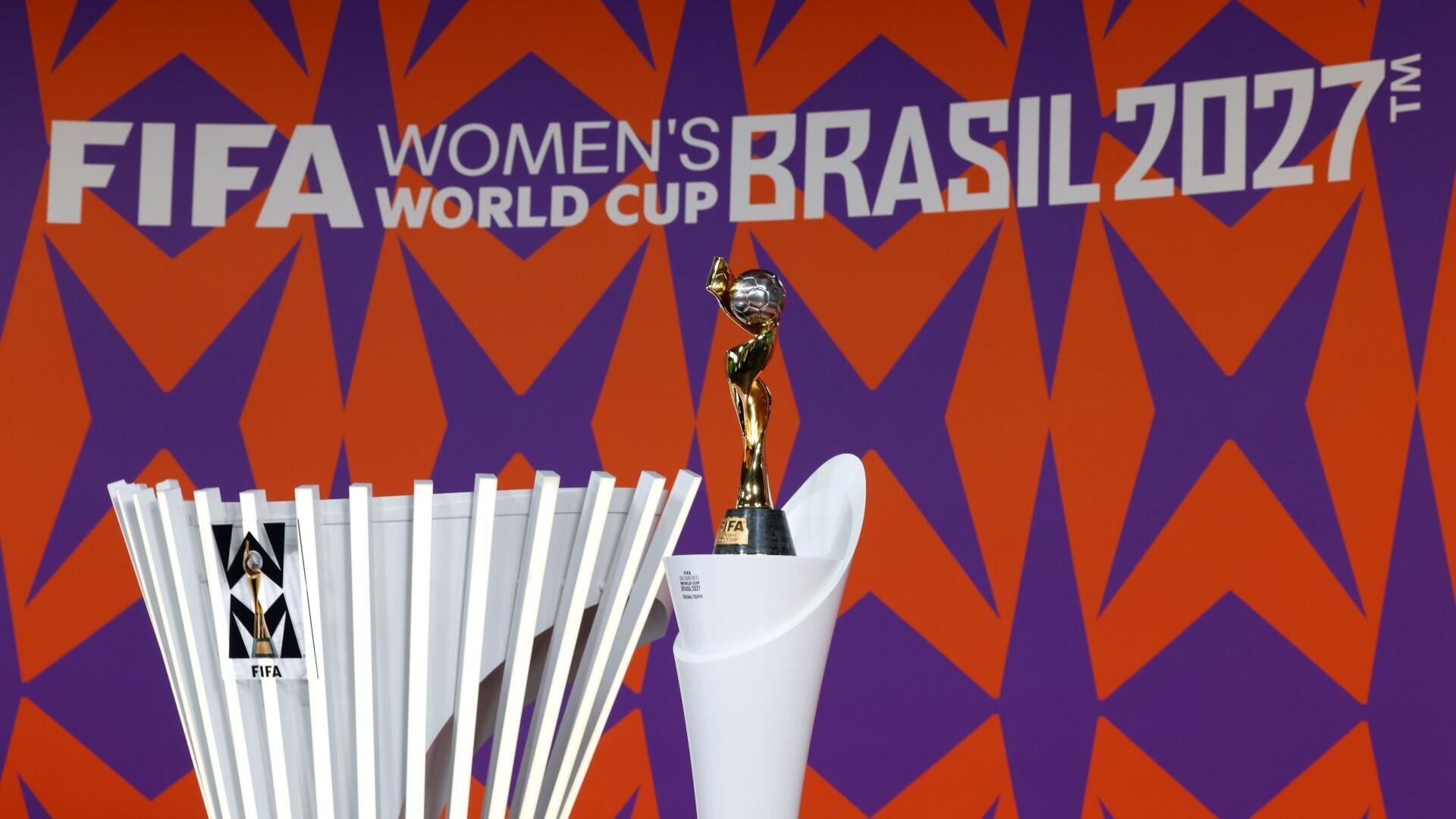
Rio de Janeiro's Maracana Stadium will host next year's Women's World Cup final, FIFA announced Thursday, as well as several other key matches as the tournament heads to South America for the first time.
The Maracana is the largest venue that will be used at the Women's World Cup with a capacity of 73,139, while it is also the tournament's most famed stadium. The building hosted the 1950 men's World Cup final, during which Uruguay beat hosts Brazil , and the 2014 men's World Cup final, where Germany beat Argentina . The Maracana also hosted the gold medal matches of the 2016 Summer Olympics, with hosts Brazil winning the men's competition and Germany emerging victorious in the women's competition.
It will be the third stadium to host the final of the men's and women's World Cups after Rasunda Stadium in Solna, Sweden did so in 1958 and 1995 and the Rose Bowl in Pasadena, Calif., did the same in 1994 and 1999.
Rio de Janeiro will also be the site of the opening game of next summer's Women's World Cup, in which Brazil will host a yet-to-be-determined opponent on June 24. The Maracana will also host a semifinal, while Sao Paulo's Arena Corinthians will host the other and the third-place match.
After their opener at the Maracana, Hosts Brazil will continue their group stage in Sao Paulo before finishing the preliminary round at Estadio Nacional Mane Garrincha in Brasilia.
Group stage: June 24-July 8 Round of 16: July 10-13 Quarterfinals: July 16-17 Semifinals: July 20-21 Bronze final: July 24 Final: July 25
FIFA also finalized the matchups for the preliminary phase of the intercontinental playoffs, which will see six teams across Africa, Asia, Oceania and South America square off against each other in the hopes of qualifying for next year's tournament in Brazil. South Africa is the most notable team in the preliminary round after beating Nigeria in a playoff, ensuring Nigeria would miss the Women's World Cup for the first time in their history, while four of the six teams in this round would be first-timers at the tournament should they advance.
The teams will eventually be ranked against each other in a table, with the top two teams advancing to the final phase of the international continental playoffs. Four more teams – Venezuela plus two teams from North America and one from Europe – will then be drawn against each other in single-elimination knockout matches slated for February and March of next year. The three winners in the final phase will qualify for the World Cup.
Eighteen of the 32 teams that will take part in next summer's tournament, including hosts Brazil, have already booked their tickets, including reigning champions Spain and newcomers Malawi. Most of the remaining spots will be clinched by the World Cup draw in December following another round of fixtures in the fall.