This is one outlet's own report from Engadget — the article as it was filed. Other outlets are covering the same event; open the full story to compare every source side by side.
Eza_Nanda/Shutterstock The heyday of third-party antivirus software has been and gone as the dominance of the PC era has ended. Names like Norton, McAfee and Avast were once familiar to PC users across the world, but unlike those Windows PCs of old, we aren't rushing en masse to install antivirus software on our phones. The reason is simple: modern Android smartphones don't really need it.
That's not to say that your device is impenetrable to malware, but protecting it isn't left entirely up to you these days. All modern operating systems, including those on mobile like Android, ship with some level of security out-of-the-box. That security might just be good enough, but it'll depend on the type of user you are, as there are some situations where extra protection for your Android smartphone might make sense.
Eza_Nanda/Shutterstock Android isn't immune to infection. It can suffer from viruses and malware and security breaches, just like all software. It also faces attacks that are (mostly) unique to mobile, like malicious push notifications, which a 2025 Gen threat report found had tripled in the space of just three months. Spyware, too, continues to be an invasive and growing problem on mobile devices, according to this later Gen Threat report .
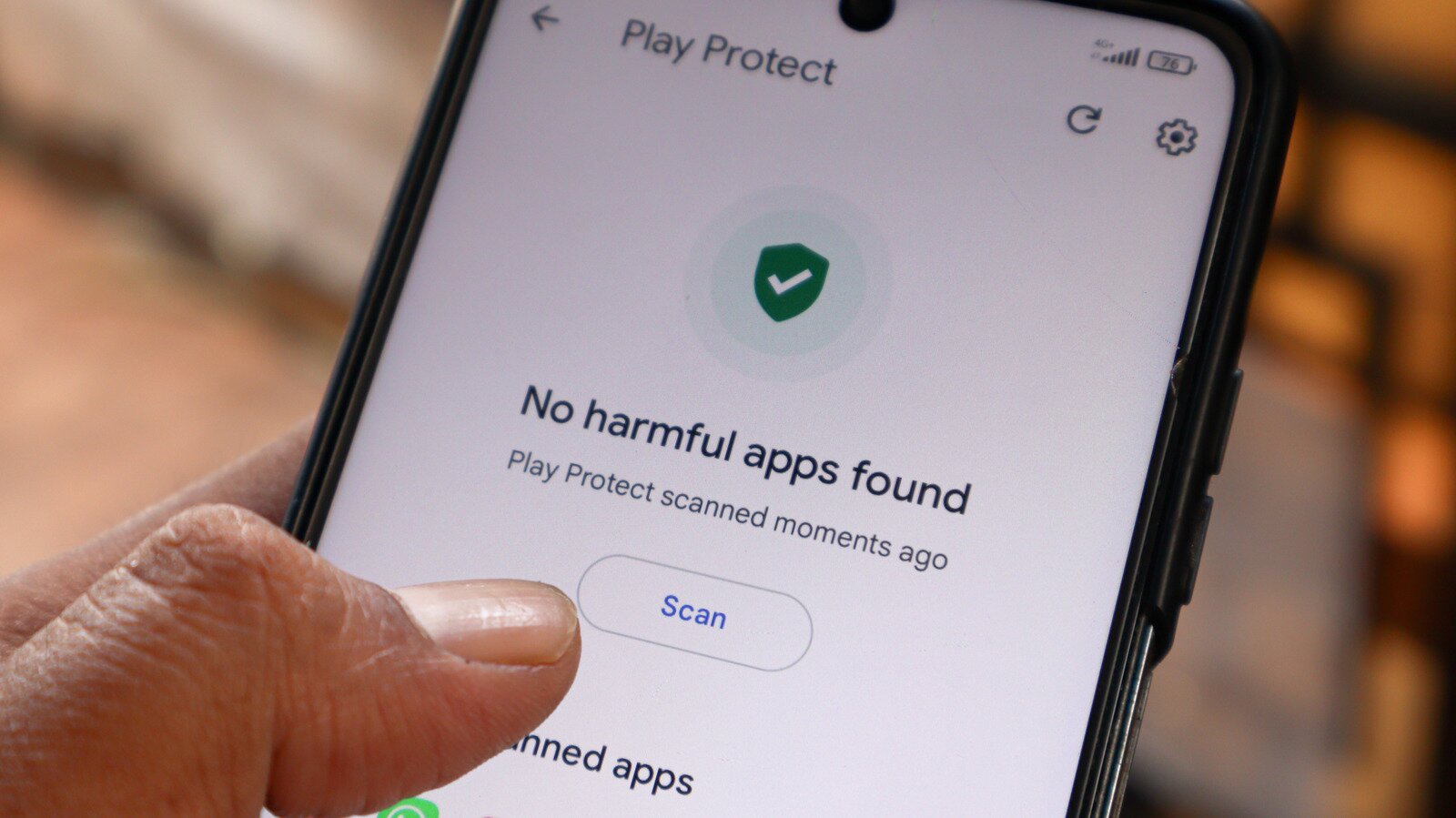
Luckily for the average user, Android has features and settings that are designed to try and automatically protect your phone from these threats. Google Play Protect is one of the biggest, acting as the first line of defense to keep harmful apps away from your phone. Google says it blocked 27 million new malicious apps from the Play Store in 2025 alone. It regularly scans your apps, both at the point of installation and afterwards, for threats. If they're detected, it may disable the app, or remote it automatically, depending on the level of risk.
Android also uses built-in sandboxing to isolate each app. It gives each app a secure user ID, running them in a way that prevents them from interacting with any of the other apps on your phone. Meanwhile, modern Android smartphones receive regular security updates to patch vulnerabilities, while the permissions system is designed to be proactive and opt-in so that your files, contacts and surroundings are protected. Google Play Protect helps with this, too, by alerting you to apps requesting access to sensitive data, as well as automatically resetting permissions for apps that you haven't used for a while.
Android's protection continues to evolve, too, and AI is playing its part. It's looking to introduce phone call spoofing protection to block scammers impersonating high risk calls, like those from a bank, for instance. It's also expanding its live threat detection functionality to detect suspicious actions made by apps, like SMS forwarding, which forwards messages to another number. Google has also changed its policy for Android app sideloading , and will soon only allow apps that bypass the protection of the Play Store to be installed only by "experienced users," with an initial 24-hour cooldown and mandatory ID checks for developers.
Peace-loving/Shutterstock We've not moved to a virus-free world, but to a world with a number of other attack vectors that pose just as great a risk to your security. Some of the more common dangers to Android aren't a virus you'll install, but are threats designed to manipulate you into exposing your data yourself.
Social engineering is front and center of the danger. Fake text messages and phone calls are big winners for scammers, and while Android is adding AI-powered live threat protection to try and stop it, it isn't available yet. We've all seen fake texts with phishing links that are designed to encourage you to expose your details, whether it's passwords or personal information it can use later. Fake tech support, a child or relative in trouble and financial romance scams are all psychological threats that no antivirus is going to be able to help you with.
You're also at risk when you're out, about and connected. Connecting to an open Wi-Fi network could put your device in danger, especially if you're not using a VPN. Attacks monitoring your connection on the same network could intercept any unencrypted data or hijack your web sessions to push you to fake websites to steal your data.
Malicious push notifications, too, are a win for scammers. By accidentally clicking "allow" on one of these fake websites, you might give it permission to spam you with messages that look like real warning alerts. Some even warn you that you've been infected with a virus, ironically enough.
Maor_Winetrob/Shutterstock Risk isn't binary. The risk you'll face when you're using your Android smartphone will vary from day to day, from person to person. The most obvious attack vectors are the areas that place you at most risk. Public Wi-Fi networks, for instance, are dangerous for any device, especially in big locations like airports or hotel lounges, with even the TSA warning of the dangers of open Wi-Fi . While a VPN that encrypts your connection is still likely to be a better form of defense, Android antivirus software could help you in the aftermath by double-checking your files for any malware you've downloaded since.
If you're somebody who likes to sideload Android apps, an Android antivirus app might make sense, too. Google Play Protect will still scan apps, even those that aren't from the Play Store, but this won't work if you've switched it off, or if you're using a device that lacks Google Play services entirely. Google's enhanced protection against app sideloading is coming, but only for certified Android devices.
It's a good idea, too, if there are obvious signs that your Android phone has been infected with a virus and you want a definitive answer. Signs could include pop-ups, slow performance, unusual permissions requests or even unusual battery drain, to name but a few. All of those...
AIPROPX is an independent multi-source news index — we track, compare, and connect coverage from across the web into one place you won't find anywhere else.