This is one outlet's own report from Forbes — the article as it was filed. Other outlets are covering the same event; open the full story to compare every source side by side.
Media CBC, Citing ‘Confusion,’ Reverses Policy On Calling 9/11 ‘Terrorism’ By Mark Joyella ,
Forbes contributors publish independent expert analyses and insights. Mark Joyella is a former broadcast journalist who covers media. Follow Author Aug 29, 2026, 07:45pm EDT --:-- / --:-- This voice experience is generated by AI. Learn more . This voice experience is generated by AI. Learn more . Summary The Canadian Broadcasting Corporation has clarified its controversial guidance regarding the use of "terrorism" to describe the 9/11 attacks, following widespread confusion and public criticism. An internal memo, leaked ahead of the 25th anniversary, had advised journalists against directly labeling the attacks as terrorism, sparking anger. Basem Boshra, CBC's senior director of journalistic standards, explained the network's past practice of using "extreme care" with the term due to its politicization, often requiring attribution. However, to ensure clarity and public understanding, the CBC has now adjusted its policy. Journalists can directly refer to the September 11th attacks as acts of terrorism without requiring attribution, though attribution will still be used for new acts of politically motivated violence.
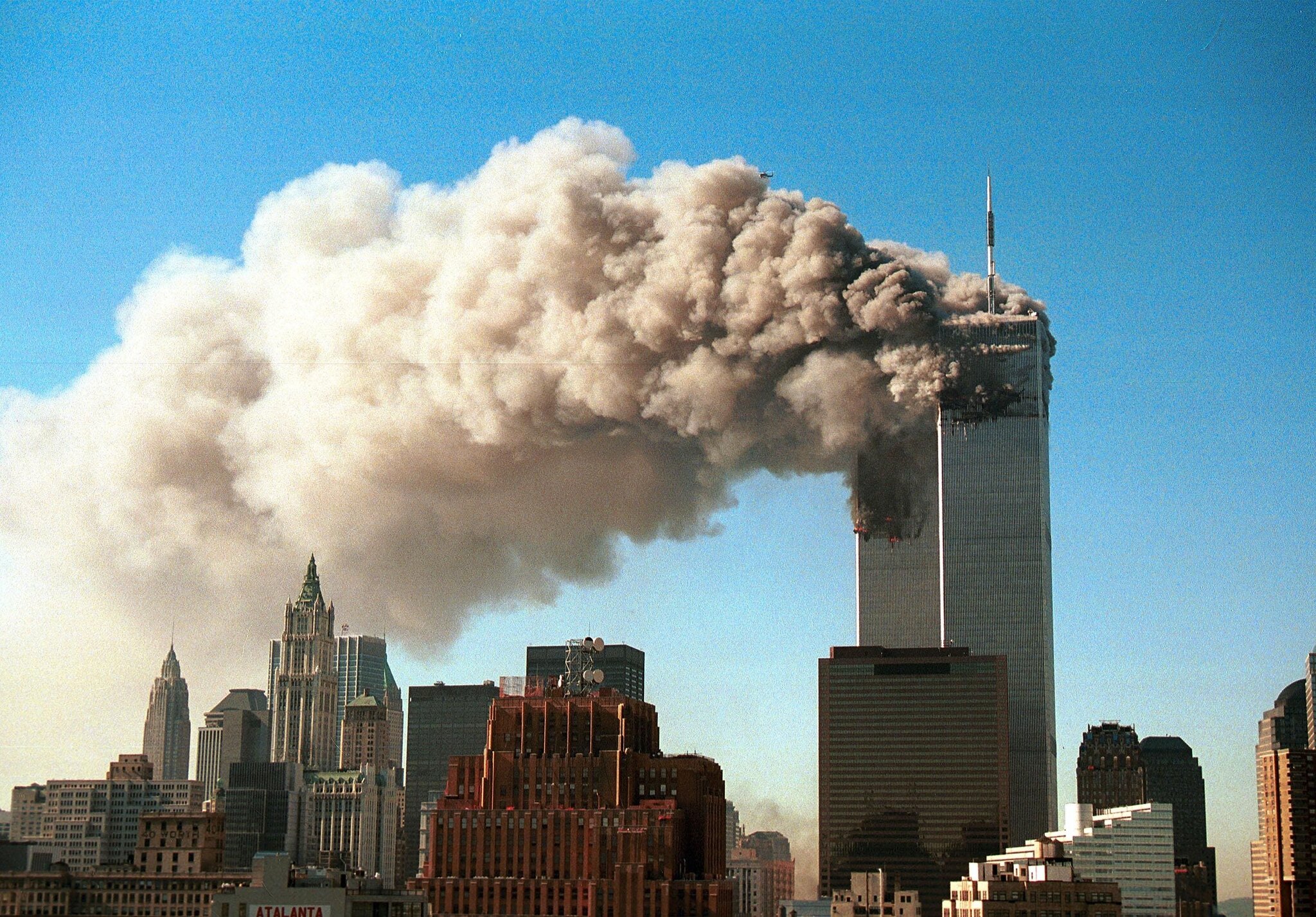
The Canadian Broadcasting Corporation wants you to know it’s journalists can call 9/11 an act of terrorism after all. The network, saying that “confusion has been swirling” about guidance CBC News gave its journalists about the use of the words “terrorist” and “terrorism” had raised questions and “become an impediment to clarity and public understanding.”
With the 25th anniversary of the September 11th attacks on New York, Washington, D.C. and Pennsylvania less than two weeks away, Warren Kinsella, a columnist for the Toronto Sun , reported that CBC journalists had received a memo advising its reporters and editors not to “refer to the Sept. 11th attacks at terrorist attacks.”
In an editor’s note published Friday on the CBC website, Basem Boshra, senior director of journalistic standards at public trust, said that the leaked internal memo had created “confusion” as the network’s “internal language guide was published and amplified by a number of outlets without full context or explanation.”
Boshra added that “it had caused significant concern, anger and hurt for many people who believe CBC News seeks to minimize or obscure the horror of that day and who was behind it.”
He promised that “we intend to mark the forthcoming 25th anniversary of 9/11 with extensive, special coverage that will continue to respectfully and thoughtfully reflect on the monumental nature of this tragedy.”
Boshra said that the CBC had published “thousands of stories” over the past 25 years, and insisted that the network’s journalists had given viewers and readers “an unflinching account of the devastating attacks by al-Qaeda, the hunt and prosecution of those responsible, the thousands of lives that were lost on that day and the incalculable loss and grief experienced by so many others as a result.”
Why restrict the use of “terror” and “terrorism”? Boshra said the network--like other news organizations, including the Associated Press--has used “extreme care around the use” of those words as they have become politicized .
“CBC News has never said what happened on Sept. 11, 2001, was not terrorism, as some commentators have stated in recent days,” Boshra explained. “We have reported fully and accurately on the reasons and motivations for those attacks as determined by police, governments and an independent commission. We've just made sure to do it with attribution.”
That means that CBC News stories use the words “terror” and “terrorism,” but in the context of others describing 9/11 in that way, rather than reporters themselves saying what happened that day was terrorism.
The network--in the face of widespread ridicule and criticism--reviewed its guidance and “we have decided to adjust it to clarify that direct attribution is not required for describing the historic events of 9/11 at terrorism.”
“We are doing so to remove what has unfortunately (and unintentionally) become an impediment to clarity and public understanding.”
“At the same time, as new acts of politically or ideologically motivated violence occur in our world, we will continue to follow the journalistically sound practice of attributing causes and motivations to officials and experts.”
CBCCitingConfusionReverses Policy On CallingTerrorismAfterCanadian
AIPROPX is an independent multi-source news index — we track, compare, and connect coverage from across the web into one place you won't find anywhere else.