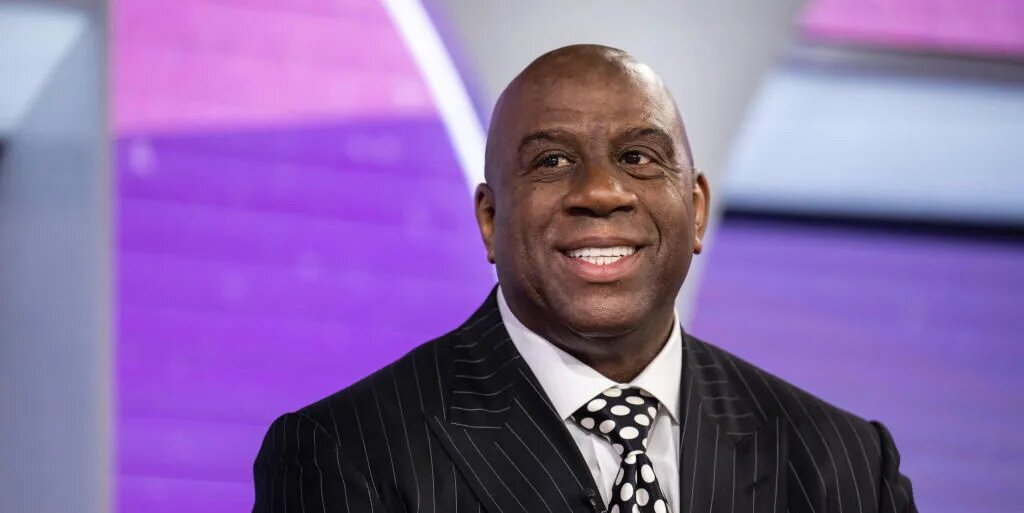
In professional sports ownership, capital appreciation requires vision, leverage, and patience. For years, major sports organizations viewed women’s basketball as a minor expense rather than a growth opportunity, causing early investors to incur significant losses as they waited for market recognition.
When Earvin “Magic” Johnson and his group acquired the Los Angeles Sparks for $10 million in 2014, they took on a franchise with a strong legacy but ongoing losses. Today, the team’s financial position has improved, providing a clear example of equity growth in sports business.
The Power of Holding Assets Through the Lean Years
Addressing the crowd at Invest Fest in Atlanta, Johnson delivered a comprehensive session on asset retention to thousands of Black entrepreneurs and corporate leaders. “It’s been tough going for the WNBA until now,” Johnson revealed, recounting the early years when ownership often considered selling the franchise to stop financial losses. “There was a time when we said, ‘Should we sell this?’ And we kept saying, ‘No, let’s hold on to it.’ Thank God we didn’t sell too early.”
View this post on Instagram
A post shared by AFROTECH (@afro.tech)
Johnson points out that although the Los Angeles Sparks suffered operating losses for more than 10 years, their value is now over $300 million, according to Athlete Speakers . This shows a key lesson for the Black business community: equity can grow beyond short-term cash flow. In an industry where Black-majority ownership is uncommon, maintaining controlling equity amid market changes offers an advantage as institutional investment in women’s sports grows.
New Media Money Engine Driving WNBA Profitability
The main factor behind this growth is a major shift in broadcast economics. According to Just Women’s Sports , the WNBA secured an 11-year, $2.2 billion media rights deal with Disney, NBCUniversal, and Amazon Prime Video, which could reach $3.1 billion with additional partners. This deal raises the league’s annual media revenue from $60 million to over $280 million. ESPN’s Katie Barnes notes the WNBA had its first profitable year last season .
According to Sportico, the average value of a WNBA team has increased by 345% over two years to reach $427 million, with the Golden State Valkyries valued at $850 million and the New York Liberty at $600 million. Along with rising league revenue, which has enabled an $8 million per-team player revenue share, the WNBA is rapidly becoming a profitable, independent league, as Yardbarker noted.
Voices Across the Game: Players, Coaches, and Ownership
The changing economic environment is prompting stakeholders to revise their perceptions of the league’s monetary outlook. Becky Hammon, head coach of the Las Vegas Aces, has repeatedly called for more investment and stressed that if owners build top-quality facilities and invest in their teams, they will increase the league’s total commercial value.
Players have argued that limited distribution and marketing have restricted the sport’s true value. WNBPA President Nneka Ogwumike expressed this in The Players’ Tribune , writing, “We just want what we’re worth. We just want what’s right… a league that invests in its future, a league that believes in us as much as we believe in it.” WNBA Commissioner Cathy Engelbert told Cronkite News that women’s sports media rights have been undervalued for decades and highlighted the league’s successful shift from survival to sustained growth.
Why WNBA Valuations Matter to Black Business Leaders
For African American executives and investors, the WNBA’s financial expansion affords a practical model for strategic asset ownership. Sports franchises now represent durable assets with strong returns. As new teams in Toronto, Portland, and Cleveland join the league, raising the total to 18, opportunities for Black investment groups to gain significant equity are increasing. Johnson’s experience with the Sparks shows that combining Black capital with patience can turn early risk into major commercial success.