Bill Rasmussen, the founder of ESPN , died Tuesday, August 18, at 93 from the effects of Parkinson’s disease. It was Rasmussen, whose idea for a 24-hour sports network helped reshape sports broadcasting and created one of television’s biggest sports brands.
ESPN’s official X account remembered Rasmussen as a visionary whose “out-of-the-box idea” of a 24-hour sports network changed sports media.
“A game-changer for the ages. Thank you for everything, Bill,” the network wrote with a red heart emoji.
ESPN Chairman Jimmy Pitaro remembered Rasmussen as a visionary whose work still influences the company. “ Bill was a remarkable man – a visionary and an innovator who conceived the idea of a network entirely devoted to sports,” Pitaro said, via ESPN Press Room.
“Quite simply, none of us would be here today if it wasn’t for Bill’s passion and all the hard work and entrepreneurial spirit he put into building ESPN,” Pitaro added.
MORE: ESPN’s Dan Graziano warns of massive pressure on Bills and Joe Brady
Rasmussen and his son Scott began developing the idea in 1978 while discussing satellite television technology. Their concept grew from a regional sports service into a national network that could operate around the clock.
ESPN launched on September 7, 1979, reaching 1.4 million homes. SportsCenter , hosted by Lee Leonard and George Grande, became the network’s opening program and eventually its signature show.
Bill Rasmussen’s ESPN legacy lives on
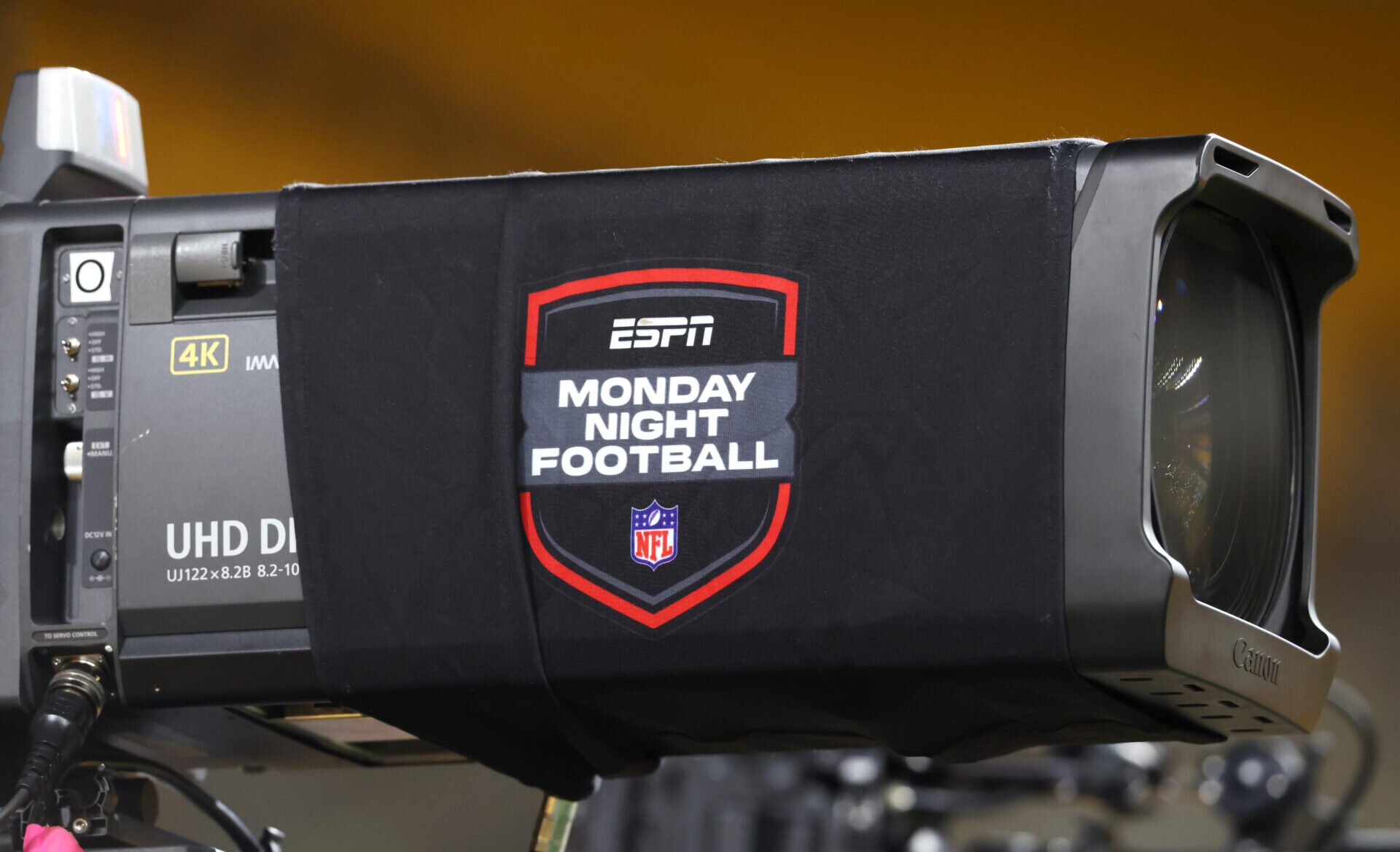
Pittsburgh, PA, USA; ESPN Monday Night Football logo on an end zone camera at Acrisure Stadium. Mandatory Credit: Charles LeClaire-Imagn Images Credit: IMAGN IMAGES via Reuters Connect (Reuters) Rasmussen served as ESPN’s founder and first president while helping establish its early programming strategy. The network soon added NCAA tournament coverage and expanded its daily sports programming.
Chris Berman, who joined ESPN shortly after its launch, called Rasmussen “our George Washington and a good friend.” Berman also praised Rasmussen’s optimism and lasting influence on sports fans.
“He wasn’t a glass half-full guy; his glass was always overflowing with optimism,” Berman said. “Every sports fan can be grateful for Bill.”
Rasmussen later left an active role at ESPN but continued working as a consultant and pursuing sports media ventures. His career reflected the same interest in technology and sports that shaped ESPN’s creation.
MORE: ESPN’s Dan Orlovsky roasted by fans for glazing Pat McAfee album
After publicly revealing his Parkinson’s diagnosis in 2019, Rasmussen became an advocate for patients and research. He also remained involved with the American Parkinson Disease Association and the Michael J. Fox Foundation.
Rasmussen received numerous honors, including induction into the Sports Broadcasting Hall of Fame in 2025. He also remained connected with ESPN during its anniversary celebrations and later worked on Sports Heaven: The Birth of ESPN.
His final years reflected the same focus on innovation that defined his career. ESPN grew from a small operation in Bristol into a global sports media company, while Rasmussen’s original idea remained at its core.
Pitaro said Rasmussen’s legacy “will always be a part of ESPN.”