This is one outlet's own report from Forbes — the article as it was filed. Other outlets are covering the same event; open the full story to compare every source side by side.
Forbes contributors publish independent expert analyses and insights. Shelley E. Kohan covers the retail industry and is based in New York. Follow Author Jul 27, 2026, 05:20pm EDT --:-- / --:-- This voice experience is generated by AI. Learn more . This voice experience is generated by AI. Learn more . Summary Kraft Heinz is undergoing a significant transformation under new leadership, investing $600 million into innovation, R&D, and marketing to become more consumer-centric. A key outcome is the new lactose-free Philadelphia cream cheese, developed over two years to taste and cost exactly like the original, without added preservatives. This product targets millions of lactose-intolerant Americans and those avoiding lactose by choice, reflecting the company's commitment to meeting evolving consumer needs without compromise. Kraft Heinz prioritizes understanding why consumers leave categories, then extends the trust of established brands into new offerings, such as zero-sugar Jell-O, rather than creating new ones. This strategy aims to leverage existing brand credibility to drive growth in a changing market.
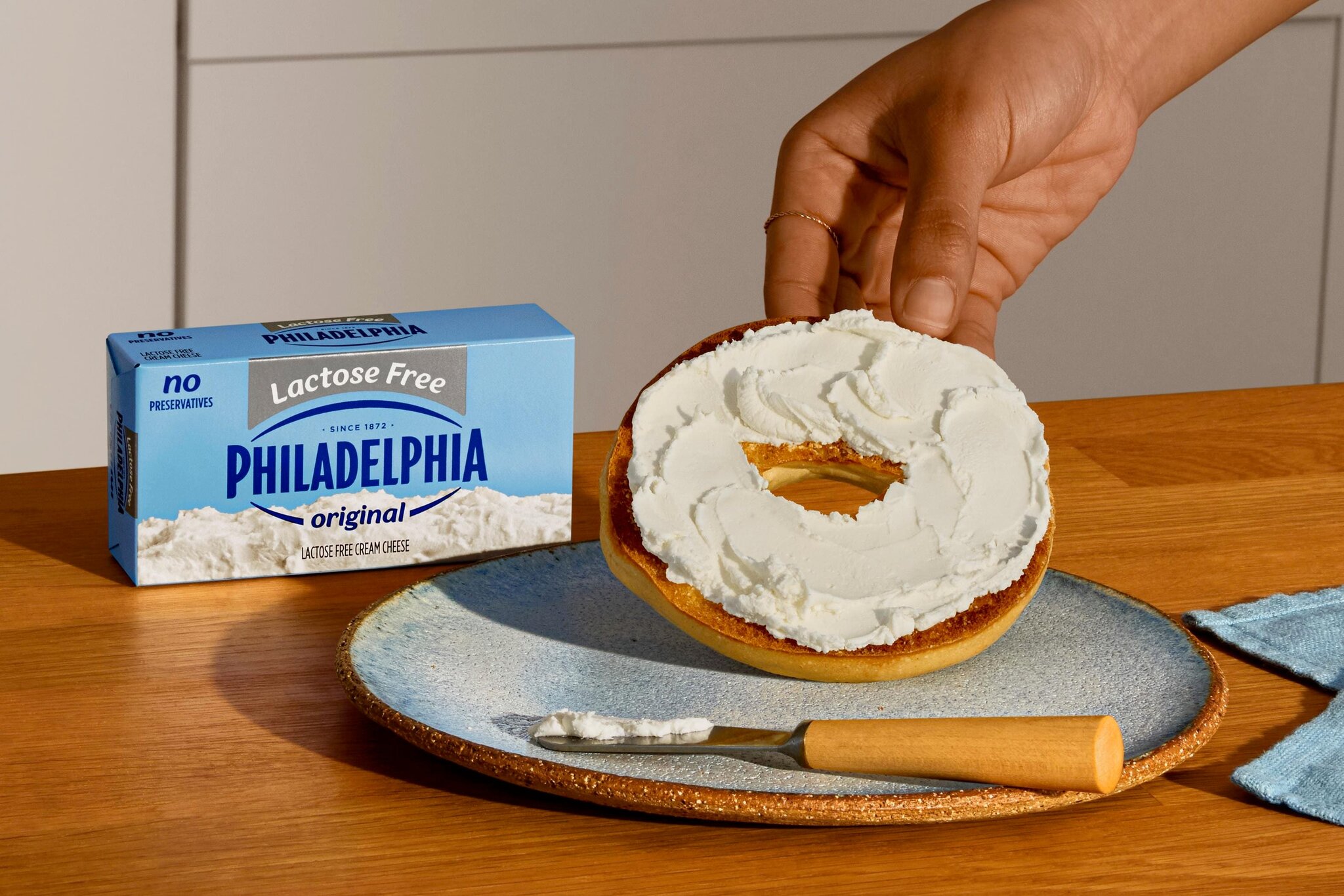
Kraft Heinz spent two years, and refused to charge a premium, solving a problem most of the food industry ignores: an estimated 30 to 50 million Americans who love cream cheese but cannot digest lactose. The result is a lactose-free version of Philadelphia cream cheese that costs exactly what the original does, contains no added preservatives, flavors or dyes, and tastes like real dairy cream. The launch is just one of the first visible outputs of a broader $600 million investment the company is making under new leadership.
When CEO Steve Cahillane took the helm of Kraft Heinz in January 2026, the company posted its fiscal 2025 year-end results with a 3.5% sales decline. Still, the company made bold commitments to invest in U.S. operations and future innovation. Recently appointed to a new role, Jerome Drolet, President of Taste Elevation for Kraft Heinz, is excited about the roadmap for the company.
“We talk about $600 million worth of investment in the business. It's marketing, it's R&D, it's people, and all that is going toward fueling that growth. It's giving me an immense amount of confidence that we can be successful again, being consumer centric, but supporting that with the right levels of resources and investments,” said Drolet in an exclusive interview.
Two things excite Drolet most about his new role: his personal connection to the brands, rooted in backyard barbecues with his dad growing up, and the challenge of helping his team evolve as fast as consumer preferences shift, without losing focus on the consumer across a large, global business. “This combination is what makes the job both difficult and super interesting.”
The company revealed one of its first products to market, backed by substantial research and development behind the scenes. The new lactose-free Philadelphia cream cheese targets millions of Americans who are lactose intolerant, as well as, a wider group of consumers who avoid lactose by choice. The global market for lactose-free dairy products is projected to grow from $10.6 billion in 2017 to $17.8 billion by 2027. Drolet explained that Kraft Heinz starts every innovation effort by studying why consumers leave or avoid a category. Once the company decides to invest in a specific product category based on shifting consumer diets, it works to bring a new product to market that meets Kraft Heinz's standards for quality, taste and price. “We don't want to put a product to market that's just an innovation for the sake of innovation,” said Drolet.
Kraft Heinz took two years to bring lactose-free Philadelphia cream cheese to market, a timeline Drolet attributes to a refusal to compromise on taste, texture, or price. “We're launching a product that tastes the same, looks the same, but also costs the same. There's no price premium to this it's making sure that we are democratizing the cream cheese consumption within the lactose intolerant consumer,” explained Drolet. Part of the two-year development process is testing the product.
“We can sit in our Illinois Innovation Center and feel really good about the product in the kitchen, but until you put it to the test of how consumers actually use it like in a cream cheese recipe, not just on its own, you don't know if it holds up. A lot of the work was making sure that across every usage occasion; the product was a true one-for-one substitution. We tested it internally and externally, in our kitchen and in consumers' kitchens, across multiple recipes. That's what takes the time, but it's also why we're so proud of the product we're launching,” explained Drolet. The process that produced lactose-free Philadelphia is the same one applied across Heinz, Jell-O, and the rest of the portfolio.
Larger brands like Philadelphia and Heinz command the biggest share of innovation investment, reflecting their scale and category weight. But smaller, more agile brands such as Grey Poupon, Lea & Perrins, Smart Ones, and Velveeta still receive purposeful innovation dollars when the opportunity fits, rather than being starved in favor of the flagship names. Drolet believes, “The brand choices are the last question. It starts first with the consumer.”
Balancing shifting consumer eating habits with new product development is a constant consideration. “As the consumer palate and needs are changing, we want to be there with them along for the journey,” said Drolet. Nearly 6 in 10 Americans report following a specific diet in the past year, a rising trend since 2018, according to a survey from the International Food Information Council (IFIC).
Retail partners are another consideration when bringing new products to market. “The process keeps us disciplined. There's a need for us to think about it from an internal resource perspective, but i...
AIPROPX is an independent multi-source news index — we track, compare, and connect coverage from across the web into one place you won't find anywhere else.