The Israeli security cabinet on Sunday voted to approve the limited entry of the International Stabilization Force under the Board of Peace-led plan for Gaza, which would include 200 troops from "friendly countries," Israeli officials told The Times of Israel.
National Security Minister Itamar Ben Gvir voted against the proposal, while Foreign Minister Gideon Sa'ar voted in favor, an Israeli official said, without elaborating on whether there was any timeline for deploying the fledgling force.
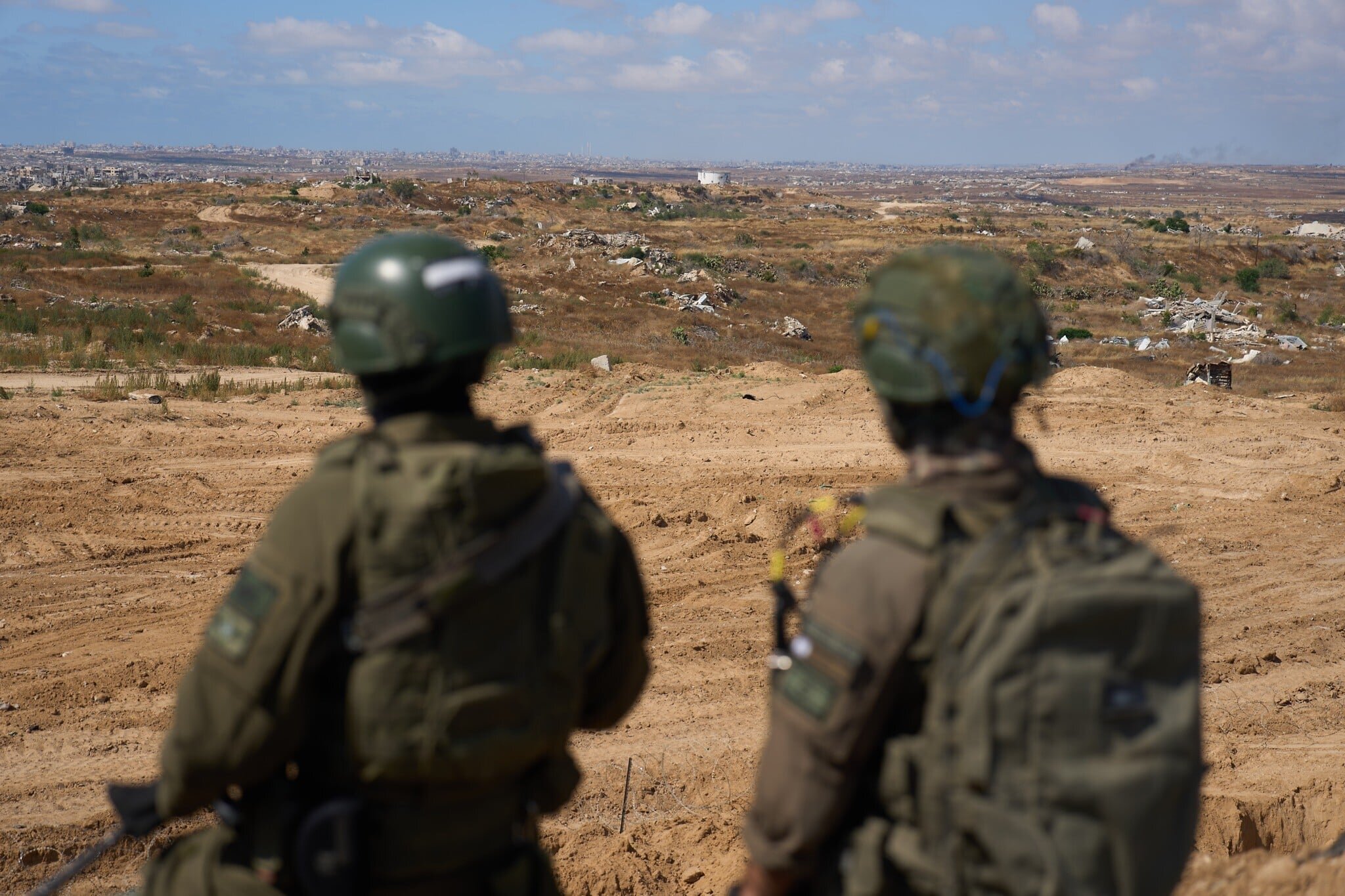
ISF troops would first deploy along the borders of a pilot humanitarian zone in Gaza being planned by the Board of Peace in the area of the flattened city of Rafah.
The cabinet also approved granting the ISF immunity under Israel's "Immunities of International Organizations Law," according to a senior Israeli official, who added that the force will operate in "full coordination with the IDF" in areas that are outside of the Israel Defense Forces' control.
The entry of any ISF personnel will still be subject to the specific approval of Prime Minister Benjamin Netanyahu, Defense Minister Israel Katz, and Sa'ar, the official added, apparently indicating that the decision does not authorize the immediate deployment of the force.
"Israel maintains that the IDF will continue to hold the Yellow Line [to which forces withdrew last October], and there will be no [further] withdrawal whatsoever until Hamas has been completely disarmed and the Gaza Strip has been fully demilitarized," the official said.
The cabinet also decided that Israel will determine which countries are permitted to contribute personnel to the force, the official continued, saying "only countries with which Israel has a peace agreement, and which are not acting against the State of Israel or its officials in international forums, will be eligible."
That condition would seem to preclude Indonesia, which has no formal diplomatic ties with Israel, and had initially vowed to contribute some 8,000 troops to the force, though it backed away in recent months due to domestic backlash and doubt regarding the Gaza plan's progress.
It would also apparently rule out troops from Turkey, which has been among the harshest critics of Israel's war against Hamas, launched after the October 7, 2023, massacre, and which has hosted Hamas leaders.
"At this stage, the force is expected to consist of approximately 200 personnel from friendly countries such as Uganda and Morocco," the official said.
While three other countries — Albania, Kazakhstan and Kosovo — have also agreed to contribute troops to the ISF — Morocco is slated to be the first of them to actually deploy troops in Gaza, officials familiar with the Board of Peace’s plans have told The Times of Israel.
The Board of Peace has been promoting the plan for several months. It envisions the establishment of a pilot humanitarian zone in the Rafah area of southern Gaza, from which Israeli troops would withdraw and be replaced by personnel from ISF. The arrangement would allow an initial group of vetted Gazans to relocate from Hamas-controlled territory. Hamas has so far refused to disarm as envisioned under US President Donald Trump's 20-point framework for Gaza, and the Board has been struggling to get Israeli approval on certain key components of the plan.
“I welcome steps by Israel that enable the deployment of the International Stabilization Force in Gaza, in accordance with UN Security Council Resolution 2803,” said Board of Peace High Representative for Gaza Nickolay Mladenov on X. “It is a critical part of the agreed framework for stabilizing Gaza, supporting demilitarization, and enabling the transition to effective Palestinian transitional administration under the NCAG.”
“The focus now is on ensuring that we move forward with the 20-point Plan for Gaza, including the implementation of the Roadmap as presented by the mediators,” he wrote.
While not mentioning the cabinet vote, the National Committee for the Administration of Gaza (NCAG) said on Sunday it had "completed the necessary institutional and operational preparations to assume its mandate in the Gaza Strip under the Comprehensive Peace Plan, once the Board of Peace and Security Council authorizes deployment, Israeli forces have withdrawn, and the agreed implementation arrangements are in place."
Last week, Mladenov and Aryeh Lightstone, special advisor to the Board, met with Netanyahu to brief him on plans for the pilot project, and received a "positive" response from the premier, a Board official told The Times of Israel on Sunday.
Much of what was expected to be discussed in Sunday's cabinet meeting surrounded proposals outlined in a private letter Lightstone sent to the Israeli government last month, the Board official said, confirming an earlier Kan news report on the letter. According to the report, the letter called for relaxation of certain restrictions on "dual-use" items entering Gaza as well as the signing of agreements that would allow troops from ISF contributing countries to enter Gaza, and approval of measures related to the vetting and entry of a Palestinian police force to be deployed under the Trump plan.
While Arab diplomats and Israeli officials have told The Times of Israel that moving forward with the humanitarian zone has been difficult with Israeli elections approaching — as Netanyahu's coalition remains wary of reconstruction beginning while Hamas remains armed in half the Strip — the Board official said Israel has been broadly cooperative, but admitted that even with cabinet approval of certain measures, meaningful progress on the pilot zone will be further down the line.
"These pieces are all moving forward. It just takes a little time," the official said, saying the Board understands "the reality" of Israeli elections, but that nonetheless "we're seeing that things can move forward, at least from an approvals process or from a cooperation process, even if implementation doesn't happen 24 hours...