
This is one outlet's own report from Gizmodo — the article as it was filed. Other outlets are covering the same event; open the full story to compare every source side by side.
See the full story · 9 sourcesModerna and Merck’s mRNA Melanoma Vaccine Looks Like a Game Changer
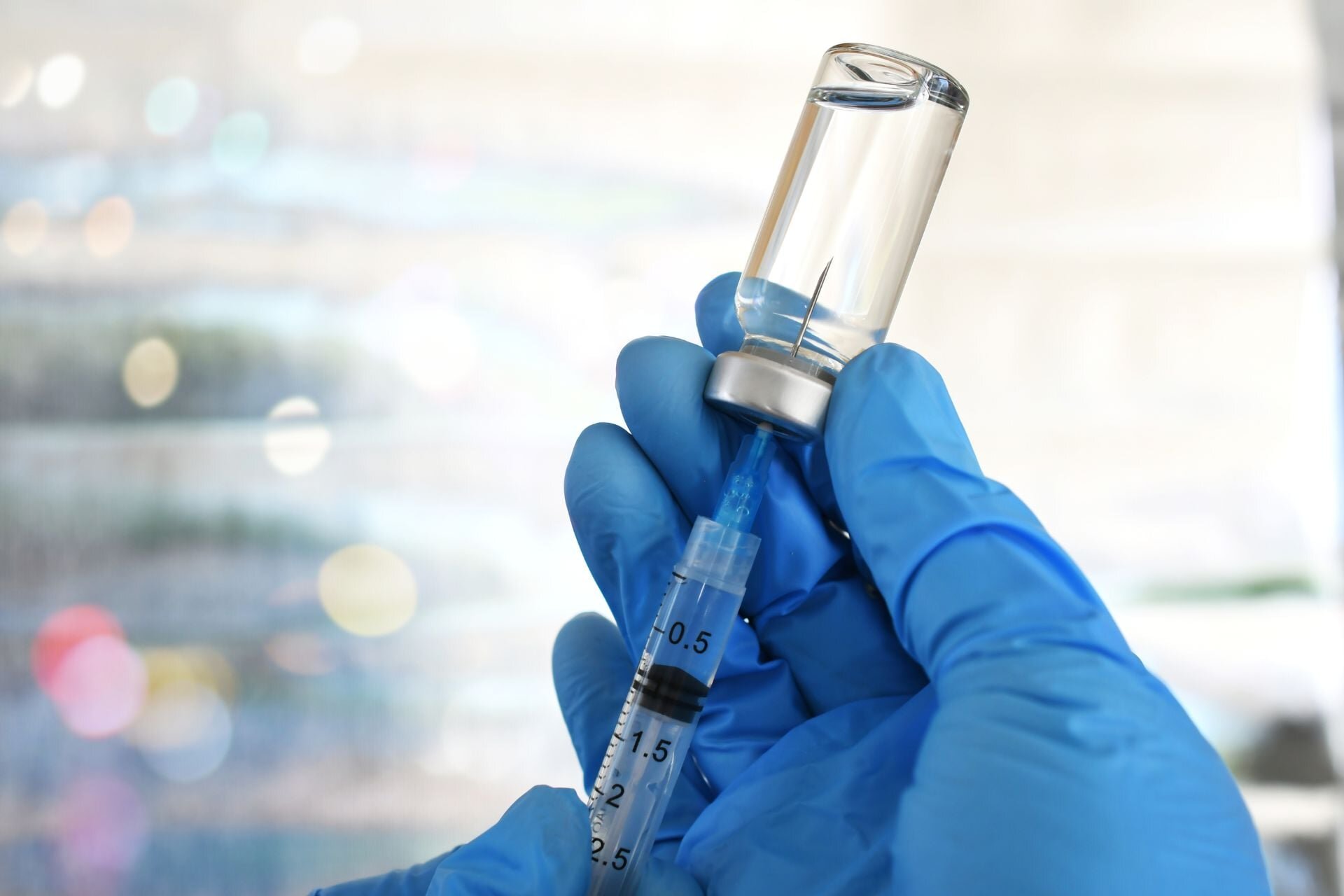
The future of cancer treatment is looking brighter thanks to trial results jointly announced this week by the pharmaceutical companies Moderna and Merck.
On Wednesday, the companies disclosed the primary findings of a Phase 3 trial that tested their mRNA-based vaccine, which is designed to prevent people's melanoma from returning. People who received the vaccine in combination with immunotherapy lived significantly longer without cancer reoccurrence than those who only received immunotherapy, the trial reportedly showed. If approved, this vaccine could herald an important new approach to keeping cancers at bay.
“These Phase 3 findings represent a pivotal moment for the field of cancer research. For many years, the idea of creating an mRNA treatment designed specifically for an individual patient's cancer was aspirational. We are now helping turn that vision into a reality,” said Stéphane Bancel, CEO of Moderna, in a statement released by the companies.
The companies' experimental vaccine is named intismeran autogene (previously dubbed V940 or mRNA-4157). It's one of many next-generation cancer vaccines currently in development .
While vaccines are generally preventative —helping the body recognize threats like viruses before they arrive— cancer vaccines are typically therapeutic, used to help treat people’s existing cancer or prevent a recurrence. These vaccines, like intismeran, are often personalized to someone’s specific cancer. According to the companies, intismeran is "designed and produced using a patient's tumor sample to identify the unique mutational signature" of their cancer. The vaccine is intended to train the body's immune system to recognize up to 34 different neoantigens, the distinct proteins that cancer cells produce as they mutate.
This latest trial involved 1,137 patients with high-risk melanomas (stages 2B to 4), meaning their cancers were likely to return even with treatment. The patients first underwent surgery to completely remove all visible signs of the melanoma, then were randomized into two groups: People who were given Merck's immunotherapy drug Keytruda (pembrolizumab) and people who were given Keytruda plus up to nine doses of intismeran, repeated every three weeks. Keytruda is an antibody-based drug that makes it easier for the immune system to recognize certain cancers, and it has become a standard treatment for advanced melanoma.
According to the companies, intismeran met the primary goals of the trial. People given the combination regimen had longer recurrence-free survival on average than people only on Keytruda, the companies stated. The combination group also reportedly lived longer without seeing their cancers spread, or metastasize, to other distant parts of the body.
The safety profile of the combination treatment also appeared to be in line with earlier trial results, with no new safety signals seen in the trial, the companies added. Keytruda is known to commonly cause side effects like fatigue and muscle pain, and it can potentially cause severe complications like liver or lung inflammation. These risks are often outweighed by the benefits that it and other immunotherapy drugs can provide for patients with otherwise untreatable cancers.
The companies' findings have yet to be verified by other outside researchers, an important part of the scientific process. And it's still too early in the trial to know whether the combination treatment has prolonged people's overall survival, according to the companies. That said, past studies have indicated that the treatment can lower the risk of melanoma returning by 49% and lower the risk of distant metastasis by 59% over a five-year span.
Assuming this data holds up under further study, intismeran should be on track for approval from the Food and Drug Administration and other regulatory agencies. Such an approval would likely change the landscape of cancer treatment moving forward.
There are some modestly effective cancer vaccines available today, but these newer generation vaccines could become a reliable treatment for not only melanoma but other cancers that have a high risk of reoccurrence or metastasis.
Intismeran's approval would also bolster the reputation of mRNA vaccine technology, which has been under fire as of late. Many supporters of the antivaccination movement, including the current secretary of the U.S. Department of Health and Human Services, Robert F. Kennedy Jr., are especially hostile to mRNA vaccines.
Last year, Kennedy cut $500 million in public research funding from 22 different projects focused on developing mRNA vaccines for respiratory diseases. The FDA also attempted to block its review of Moderna's mRNA flu vaccine earlier this year, though the agency changed course and has since approved the vaccine for adults over 50.
Given the current climate, intismeran is likely to face more scrutiny from the FDA than usual. Assuming it succeeds, however, it could become the first of many vaccines that can tackle cancer in a way unlike anything we have today.
◆ AIPROPX index record
- Region
- Other
- In this story
- 11 of 11 reports · 9 outlets
- Detected names
- People
AIPROPX is an independent multi-source news index — we track, compare, and connect coverage from across the web into one place you won't find anywhere else.