
RESOLVING THE LEDGER
RESOLVING THE LEDGER
This is not a single article. It's every outletcovering this one event, gathered in one place — read AIPROPX's summary, see where the sources line up, then open any report at its origin.
By AIPROPX Editorial Desk · Published · Updated
Everything reported about this story, gathered from 10 sources. Read the summary below, then tap any source to open that report.
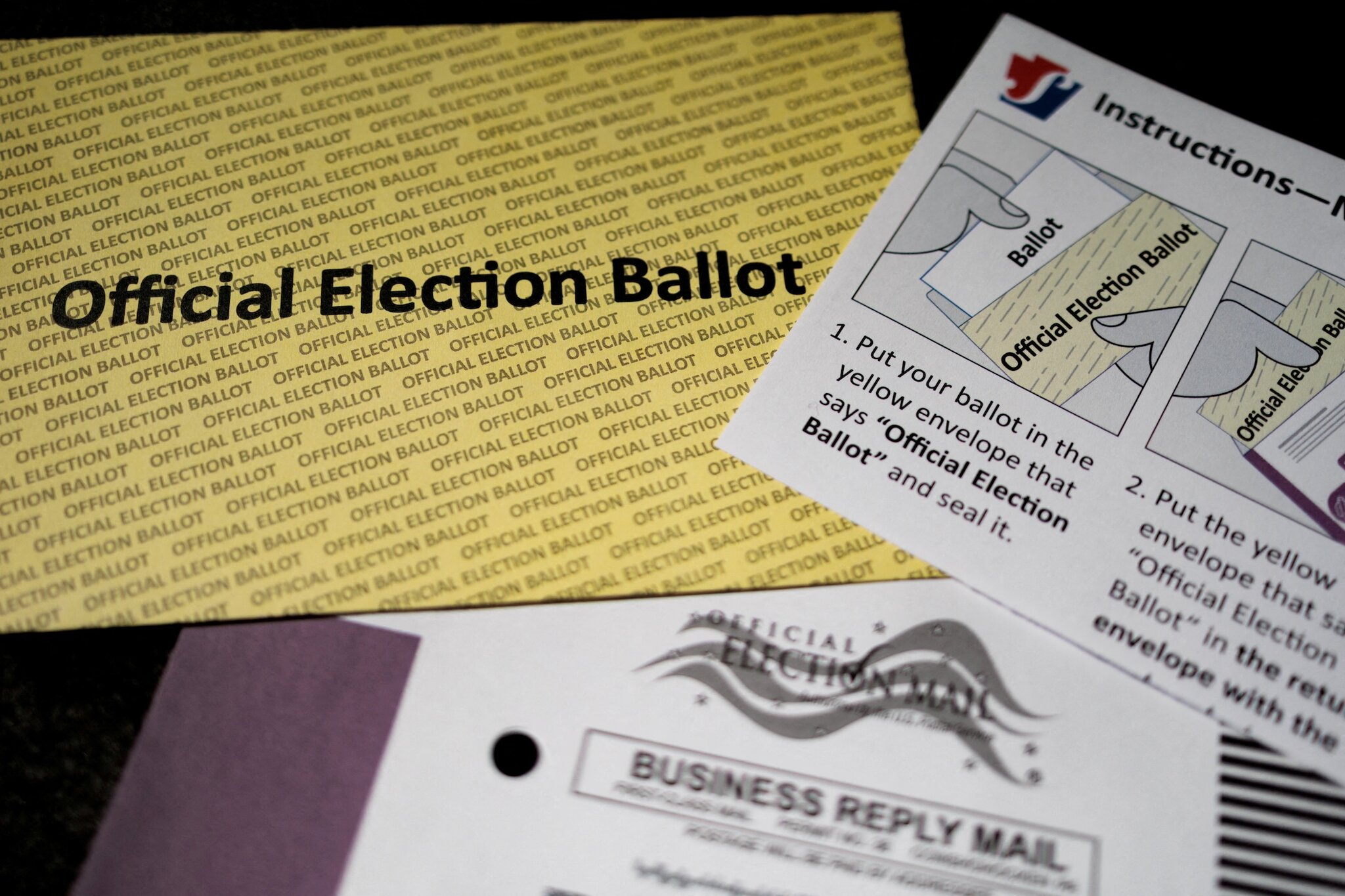
The Supreme Court on Monday issued an emergency order that allows the Trump administration to move forward, for now, with plans to restrict mail-in voting ahead of the midterm elections in November. Opponents say it will bring chaos to the election process only days before ballots in some states are mailed out. Liz Landers discussed more with Steve Vladeck of the Georgetown University Law Center.
Summary indexed by AIPROPX from PBS NewsHour’s reporting — the full article is one click away. Open at source →
10 outlets are covering this. Resolve the ledger to read what they collectively report — the common thread, in plain terms.
Every report on this story — read the summary of each, then open any at its source. AIPROPX summarizes and links; it never reproduces the original.
The Supreme Court on Monday issued an emergency order that allows the Trump administration to move forward, for now, with plans to restrict mail-in voting ahead of the midterm elections in November. Opponents say it will bring chaos to the election process only days before ballots in some states are mailed out. Liz Landers discussed more with Steve Vladeck of the Georgetown University Law Center.
Read this report
US president has been obsessed with restricting the ability to vote by mail, despite using it himself. Plus, why we are still fascinated with Meg from the White Stripes Don’t already get First Thing in your inbox? Sign up here Good morning. The US supreme court has sided with Donald Trump in his effort to crack down on mail-in voting, though it is unclear whether or not his administration will be able to take action before the midterm elections in November. The court’s justices voted 6-3 along ideological lines to lift an injunction that a judge in Massachusetts had placed in June on an exe...
Read this reportAn original, deterministic readout — composed only from the computed coverage facts on this page. No interpretation, no rating; figures only.
AIPROPX has consolidated 11 reports from 10 outlets into a single canonical entry on “Constitutional law professor explains Supreme Court's ruling on mail-in voting.” The covered outlets are based across 3 regions — US, Other, and UK.
The earliest report in this entry came from AP News (Aug 25, 2026, 04:00 UTC); the most recent came from MyVeronaNJ (Aug 26, 2026, 18:37 UTC).
Comparing the wording across sources, 5 named entities are referenced by multiple outlets and the phrase recurring most across the coverage is “supreme court”.
4 statements are carried by only one outlet within this set and are not echoed by the others.
Every figure above is a direct count of real published articles. AIPROPX indexes and compares the original reporting — it never rewrites, rates, or editorializes — and each publisher’s full article is always one click away.
Generated by AIPROPX from the source counts above. AIPROPX indexes and resolves coverage; the original publishers are credited and linked at origin in every report.
Coverage from 10 independent outlets across 3 regions — each view opens on its own page.
AIPROPX — “Constitutional law professor explains Supreme Court's ruling on mail-in voting” · https://www.aipropx.com/story/0778f4cf2363b3a666420fce0585ab44
Other events being covered across multiple sources right now.
Democratic states sue to block postal service from carrying out Trump’s mail-in voting order
17 outletsFederal judge lifts all blocks on Trump mail-in ballots executive order
3 outletsCalifornia couple heads to Texas court in custody battle with surrogate
3 outletsBlakeman ends Nassau County's ICE partnership amid new state law
3 outletsTexas law targeting drag shows could have criminalized the late Dolly Parton, judge ruled
26 outletsMeta to Pay Up to $17.1 Billion in Landmark Settlement Over Social Media Addiction Claims