
RESOLVING THE LEDGER
RESOLVING THE LEDGER
Only one outlet has reported this event so far — you're reading it below, credited to its source. AIPROPX is tracking the web for more coverage; as additional outlets confirm it, this becomes a full multi-source story automatically.
By AIPROPX Editorial Desk · Published · Updated
One outlet is reporting this so far. AIPROPX is tracking it and will gather every additional source as it develops — the full multi-source comparison appears automatically once a second outlet confirms it.
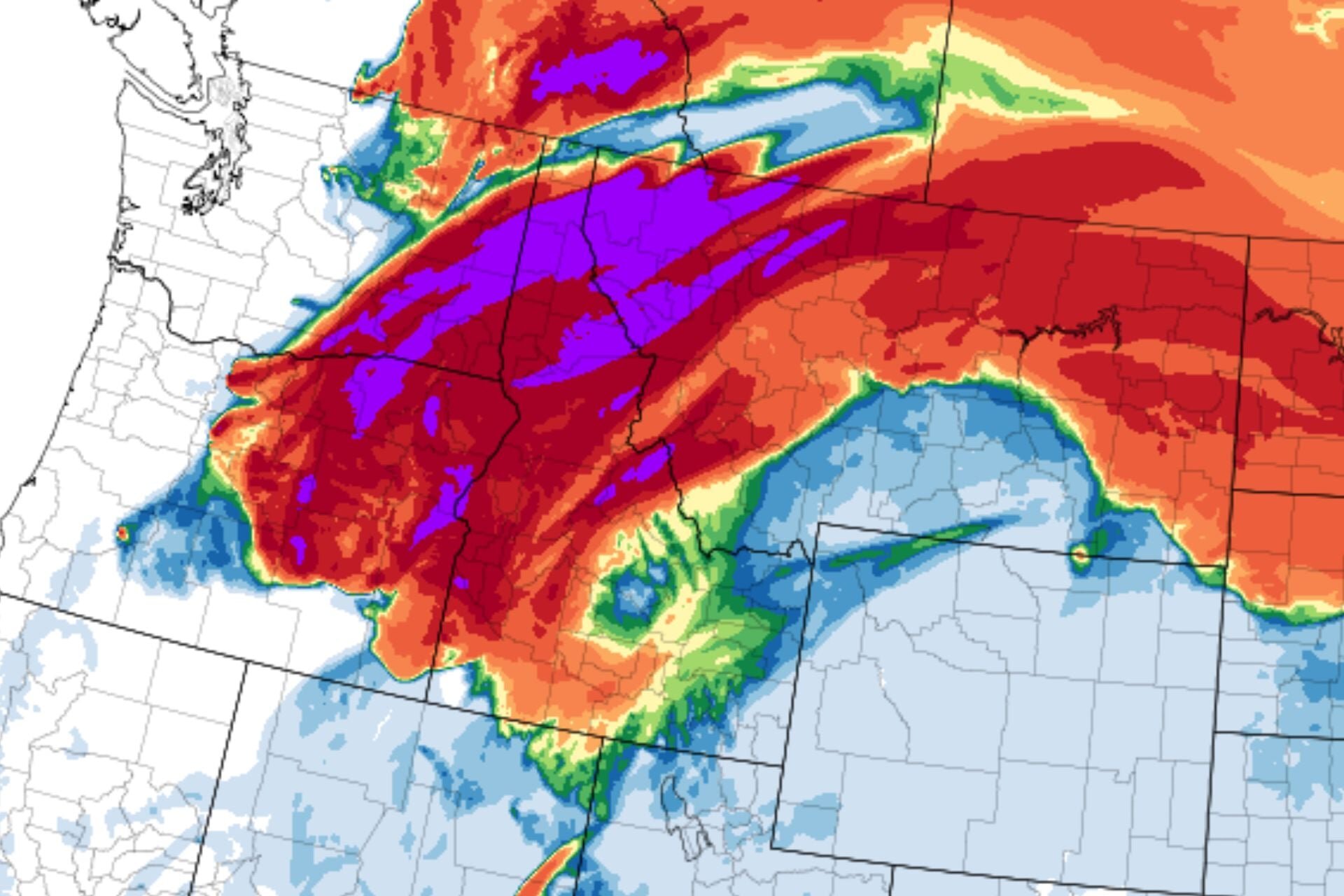
The Pacific Northwest is ablaze, with dozens of fires burning across Oregon, Washington, and British Columbia. Smoke from this "extraordinary" outbreak is billowing across the U.S. and could reach as far as Florida today, forecasters warn.
Early this morning, 51 large, uncontained wildfires were burning in Oregon and Washington, according to the National Interagency Fire Center (NIFC). The outbreak began in mid-July when thunderstorms brought thousands of lightning strikes to the Pacific Northwest's parched landscape. More than 1.5 million acres are now actively burning across the region.
The NIFC is operating at the highest level of national response and sent nearly 400 additional federal firefighters into Oregon and Washington today. They may be able to gain some control today as fire weather conditions should ease slightly, according to Daniel Swain , a climate scientist at the University of California Agriculture and Natural Resources. However, a massive plume of smoke is already sweeping across the nation.
This bout of wildfire smoke comes just two weeks after smoke from Canada poured into the eastern U.S. and triggered widespread air quality alerts. According to meteorologist Ben Noll, it will be a little different this time.
Most of the smoke should remain high in the atmosphere, meaning it won't have a significant impact on air quality, but it will produce hazy skies, Noll reports for the Washington Post. However, the near-surface smoke degrading air quality across eastern Oregon, Idaho, and Montana should spread into the central U.S. today and settle near the ground in parts of the Dakotas, Minnesota, Iowa, and Nebraska, he said.
Lighter concentrations of this surface smoke could continue to seep south and east on Tuesday, reaching other parts of the Plains and Midwest.
The map above shows the amount of smoke expected throughout the atmosphere across the contiguous United States by 12:00 p.m. ET today, with warmer colors representing higher concentrations.
And here we have a forecast map of near-surface smoke conditions by noon today, which gives a better idea of expected air quality impacts.
The Pacific Northwest should get a bit of a break from fire weather conditions today, but more dry and windy weather—as well as another significant inland heatwave and possibly more thunderstorms—are on the horizon, according to Swain. Noll said that the enormous heat dome currently affecting the central U.S. will also help funnel smoke from the Northwest to the East Coast for days to come.
Speaking of that heat dome, forecasters expect extreme temperatures to shift westward later this week, elevating wildfire risk across much of the Southwest and interior California. While the heat will help suppress thunderstorms produced by the North American monsoon, any dry lightning strikes could ignite new fires across the region.
The 2026 wildfire season is shaping up to be the most severe of the last four years, with more than 4 million acres burned across the U.S. since the start of the year, according to the NIFC . That's well above the 10-year average for total acres burned by this time of year.
The outbreak in the Pacific Northwest "follows a 6-month sequence of historic winter warmth/extreme low snowpack driving severe drought, followed by lightning, then heat, then more lightning, then strong winds," Swain said. A study published last week found that the western snow drought was made four times more likely by climate change, illustrating how rising global temperatures set the stage for devastating fires.
Even regions of the U.S. unaccustomed to large wildfires are now feeling their effects as smoke from distant blazes spreads across the country. In a warming world, the threat of wildfire is becoming increasingly unruly, even when you don't live near the affected regions.
Indexed and credited by AIPROPX. Originating outlet: Gizmodo. Open at source →
An original, deterministic readout — composed only from the computed coverage facts on this page. No interpretation, no rating; figures only.
AIPROPX has consolidated 1 report from 1 outlet into a single canonical entry on “Rampant Northwestern Wildfires Will Blanket the US With More Smoke Today.” Every covered outlet is based in Other.
The only timestamped report came from Gizmodo (Jul 27, 2026, 15:45 UTC).
1 statement is carried by only one outlet within this set and is not echoed by the others.
Every figure above is a direct count of real published articles. AIPROPX indexes and compares the original reporting — it never rewrites, rates, or editorializes — and each publisher’s full article is always one click away.
Generated by AIPROPX from the source counts above. AIPROPX indexes and resolves coverage; the original publishers are credited and linked at origin in every report.
Coverage from 1 independent outlet across 1 region — each view opens on its own page.
AIPROPX — “Rampant Northwestern Wildfires Will Blanket the US With More Smoke Today” · https://www.aipropx.com/story/116d7545cf1c050813d7036a97e5403d
Other events being covered across multiple sources right now.
Wildfires spread across Europe
5 outlets5 things to know today, July 27, in Montgomery County
4 outletsOgden: Rodri's transfer to Real Madrid will happen
4 outletsStock market today: Dow, S&P 500, Nasdaq fluctuate as chip stocks tumble, oil prices fall
4 outletsYouTube Premium will soon include Peacock at no extra cost
3 outletsOur country is the mission’: more than 100 ex-Nasa astronauts launch new voting campaign