
RESOLVING THE LEDGER
RESOLVING THE LEDGER
This is not a single article. It's every outletcovering this one event, gathered in one place — read AIPROPX's summary, see where the sources line up, then open any report at its origin.
By AIPROPX Editorial Desk · Published · Updated
Everything reported about this story, gathered from 4 sources. Read the summary below, then tap any source to open that report.

The deadly flash flood in Nepal on Wednesday was likely caused by a huge chunk of a glacier that broke off and temporarily dammed a river, according to preliminary investigations by scientists. That may have led to the backed-up water surging downstream with enormous force a few hours later, they suggested.
Summary indexed by AIPROPX from Phys.org’s reporting — the full article is one click away. Open at source →
4 outlets are covering this. Resolve the ledger to read what they collectively report — the common thread, in plain terms.
Every report on this story — read the summary of each, then open any at its source. AIPROPX summarizes and links; it never reproduces the original.
The deadly flash flood in Nepal on Wednesday was likely caused by a huge chunk of a glacier that broke off and temporarily dammed a river, according to preliminary investigations by scientists. That may have led to the backed-up water surging downstream with enormous force a few hours later, they suggested.
Read this report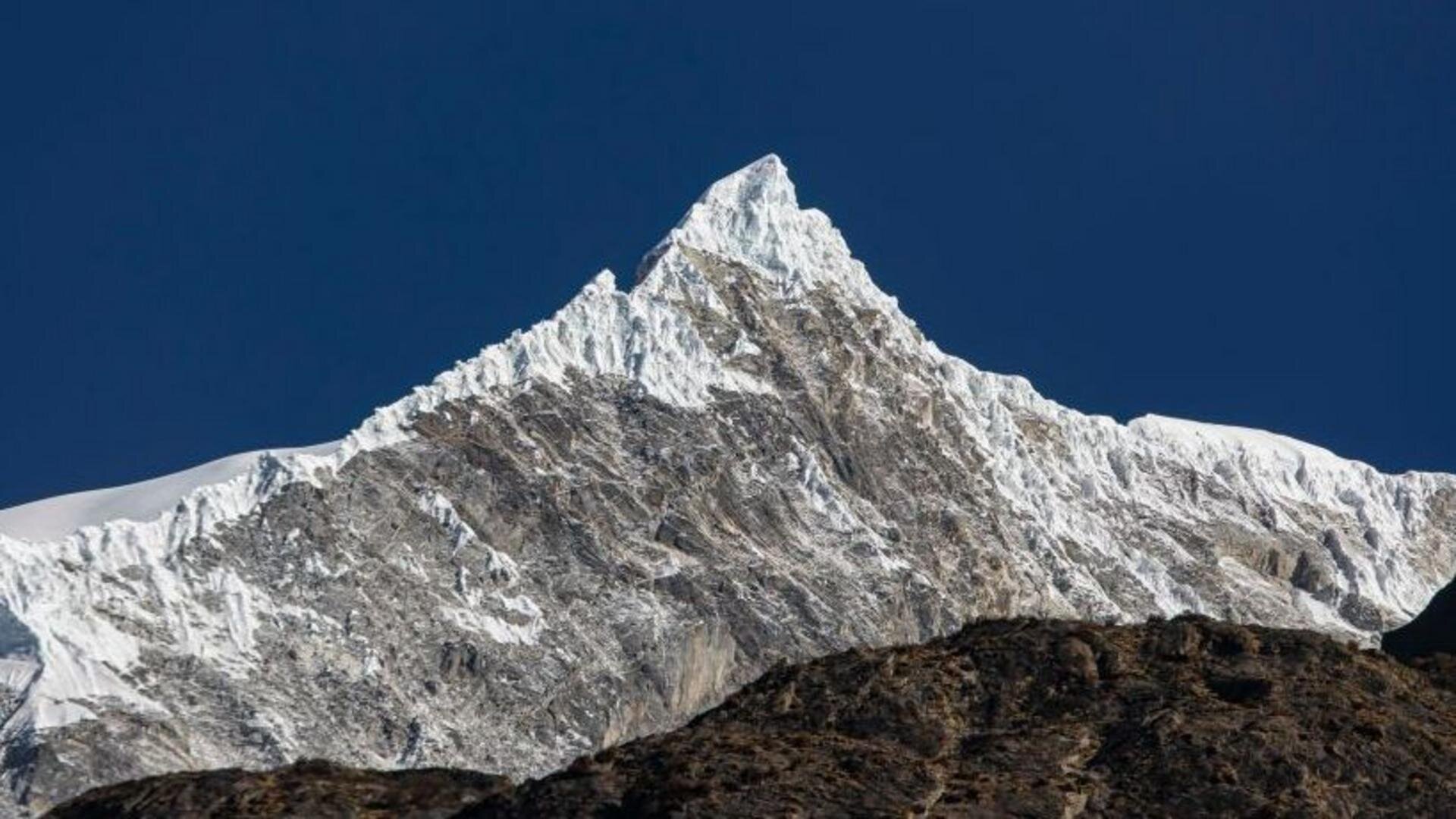
Preliminary investigations by scientists have pointed to a collapsed glacier as the cause, highlighting the issue of rapidly melting Himalayan ice.
Read this report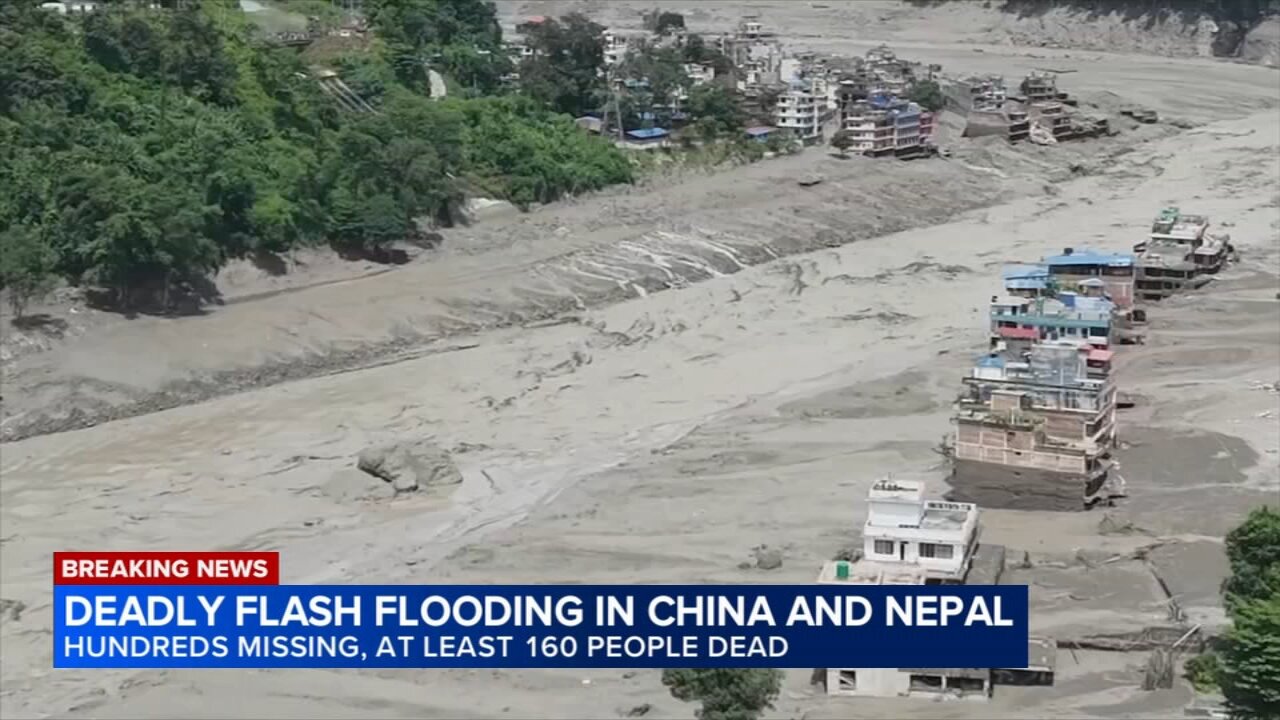
An "enormous" landslide that triggered the fall of at least part of a glacier down the Himalayas caused the severe flash floods that devastated Nepal Wednesday.
Read this reportAn original, deterministic readout — composed only from the computed coverage facts on this page. No interpretation, no rating; figures only.
AIPROPX has consolidated 4 reports from 4 outlets into a single canonical entry on “Nepal floods highlight growing glacier risks in warming Himalayas.” The covered outlets are based across 2 regions — Other and UK.
The earliest report in this entry came from ABC7 New York (Aug 26, 2026, 23:02 UTC); the most recent came from Phys.org (Aug 27, 2026, 13:20 UTC).
Comparing the wording across sources, 2 named entities are referenced by multiple outlets and the phrase recurring most across the coverage is “preliminary investigations by scientists”.
4 statements are carried by only one outlet within this set and are not echoed by the others.
Every figure above is a direct count of real published articles. AIPROPX indexes and compares the original reporting — it never rewrites, rates, or editorializes — and each publisher’s full article is always one click away.
Generated by AIPROPX from the source counts above. AIPROPX indexes and resolves coverage; the original publishers are credited and linked at origin in every report.
Coverage from 4 independent outlets across 2 regions — each view opens on its own page.
AIPROPX — “Nepal floods highlight growing glacier risks in warming Himalayas” · https://www.aipropx.com/story/39cb09b3e1b7df4dc799e7bf7a713ab4
Other events being covered across multiple sources right now.
Families fear for missing loved ones as Nepal floods leave trail of destruction
9 outletsNepal-Tibet flood deaths rise to 358 amid search for hundreds of missing tourists
5 outletsStorms could bring floods to Hudson Valley, high winds to Capital Region
3 outletsOn the ground in Nepal after deadly flooding
19 outletsA near-total lunar eclipse will be visible across the U.S. tonight
16 outletsTim Curry Honored By 'The Rocky Horror Picture Show' Cast on Broadway