
RESOLVING THE LEDGER
RESOLVING THE LEDGER
Only one outlet has reported this event so far — you're reading it below, credited to its source. AIPROPX is tracking the web for more coverage; as additional outlets confirm it, this becomes a full multi-source story automatically.
By AIPROPX Editorial Desk · Published · Updated
One outlet is reporting this so far. AIPROPX is tracking it and will gather every additional source as it develops — the full multi-source comparison appears automatically once a second outlet confirms it.
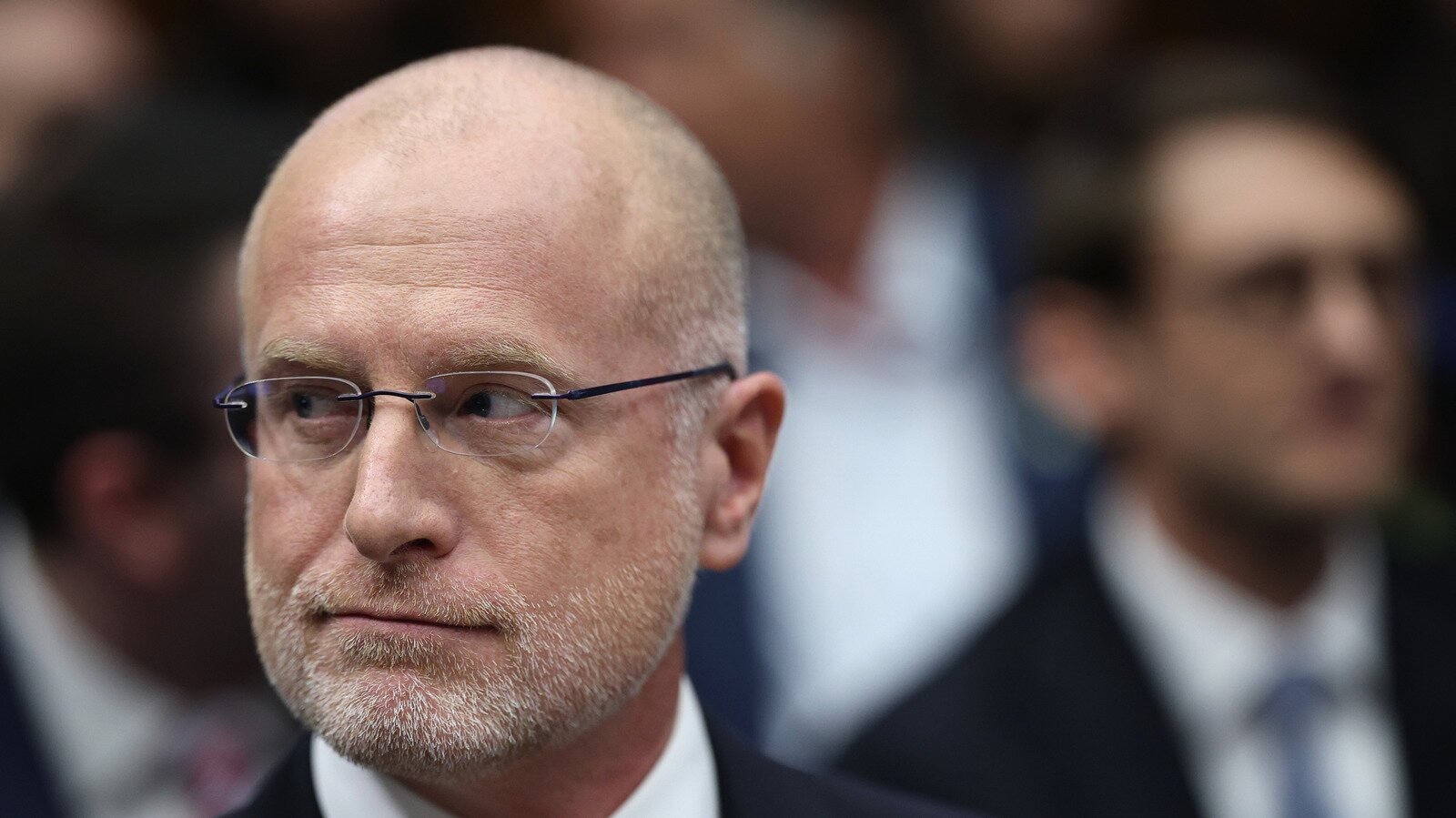
This is great news for Nexstar Media Group and Sinclair Broadcast Group.
Win Mcnamee/Getty Images The FCC has been threatening to rip up local TV station ownership rules and now it's gone and done it, according to a report by Deadline . In a 2-1 vote, the FCC has transformed Section 303 of the Communications Act, which guts the 39 percent rule. This rule had limited the reach of local TV networks to no more than 39 percent of the country's total audience market.
Now the agency will approve or deny TV ownership deals on a case-by-case basis, which I'm sure will not be influenced by money or partisan politics in any way . That was sarcasm.
The 39 percent rule was initially put in place to constrain the ability of broadcasters to consolidate stations and limit the power of any single media company. In other words, this is a huge win for entities like Nexstar Media Group and Sinclair Broadcast Group. Both companies each currently provide official service to around, you guessed it, 39 percent of TV households.
Chris Ripley, the CEO of Sinclair Broadcast Group, praised the FCC's actions in an earnings call that took place before the FCC got to vote. "We think the FCC is on solid legal ground here in terms of their authority to change this rule and the rationale behind changing it," he said. "The FCC's mandate is to deregulate over time."
It is worth noting that Sinclair has already been the beneficiary of the FCC's largesse. The company received a waiver from the FCC to merge with rival local broadcast company Tegna. This potentially creates a behemoth of 260 stations that cover 80 percent of the country. The merger has run into an antitrust lawsuit brought by state attorneys general and DirecTV, which is still ongoing.
Despite being an obvious gift to local media conglomerates, FCC chair Brendan Carr is pitching this as a win for the little guy. He warned that inaction would see local stations "going the way of newspapers."
"It is time to restore balance to the broadcast airwaves," Carr, who has threatened to revoke the broadcast licenses of stations that air content that's deemed as unfavorable to the Trump Administration, said. "Repealing the national cap will provide essential relief for local broadcasters by restoring a healthy counterbalance to the growing leverage of national programmers."
He also said some gobbledygook about how this move will stop "undifferentiated passthroughs of national programming produced in Hollywood and New York." Gotta get that culture war stuff in, am I right?
Eliminating the national broadcast ownership cap does not free local broadcasters from economic pressure, it just changes who's doing the squeezing
Trading a squeeze from Big Tech for a squeeze from Big Media does nothing to protect the communities this cap was designed to serve pic.twitter.com/RHeOG77izi
— Anna M. Gomez (@AGomezFCC) August 6, 2026
Anna Gomez, the only person who voted no on the repeal, said in a statement that the "large station groups positioned to grow even larger under this decision are not local broadcasters, they are national companies that own local stations and increasingly dictate what airs on them."
Of course, it's likely this move will run into one or several court challenges. That's because it operates on questionable legal authority, at best. Section 10 of the Communications Act expressly forbids the FCC from bending the rules around Section 303. In other words, this is a job for Congress and not for a simple three-person committee vote.
Former House Majority Leader Tom DeLay, a Republican, is one of the negotiators behind that 39 percent rule, which comes from a 2004 appropriations bill. He recently wrote an op-ed and stated unequivocally that "regulatory agencies cannot defy or modify laws enacted by Congress."
However, legality doesn't always seem to matter in today's world. It's worth remembering that we are more than five months into a war in Iran and Congress hasn't passed a formal declaration or even a specific Authorization for Use of Military Force.
Indexed and credited by AIPROPX. Originating outlet: Engadget. Open at source →
An original, deterministic readout — composed only from the computed coverage facts on this page. No interpretation, no rating; figures only.
AIPROPX has consolidated 1 report from 1 outlet into a single canonical entry on “The FCC just shredded local TV station ownership rules, despite questionable legality.” Every covered outlet is based in Other.
The only timestamped report came from Engadget (Aug 6, 2026, 18:44 UTC).
1 statement is carried by only one outlet within this set and is not echoed by the others.
Every figure above is a direct count of real published articles. AIPROPX indexes and compares the original reporting — it never rewrites, rates, or editorializes — and each publisher’s full article is always one click away.
Generated by AIPROPX from the source counts above. AIPROPX indexes and resolves coverage; the original publishers are credited and linked at origin in every report.
Coverage from 1 independent outlet across 1 region — each view opens on its own page.
AIPROPX — “The FCC just shredded local TV station ownership rules, despite questionable legality” · https://www.aipropx.com/story/3f7214f7923f2350238e620a0de3096e
Other events being covered across multiple sources right now.
FCC votes to eliminate broadcast ownership rule
3 outletsThe JSAUX Nintendo Switch 2 Carrying Case Fits the Console and Docking Station for Less Than $15
3 outletsMortgage rates just crossed a threshold not seen in over a year
4 outletsThousands of migrants still in Ceuta after border crisis, local leader says
4 outletsEx-leader Hasina gambles on return to Bangladesh despite death penalty
29 outletsBelgrade police bring National Night Out home