
RESOLVING THE LEDGER
RESOLVING THE LEDGER
Only one outlet has reported this event so far — you're reading it below, credited to its source. AIPROPX is tracking the web for more coverage; as additional outlets confirm it, this becomes a full multi-source story automatically.
By AIPROPX Editorial Desk · Published · Updated
One outlet is reporting this so far. AIPROPX is tracking it and will gather every additional source as it develops — the full multi-source comparison appears automatically once a second outlet confirms it.
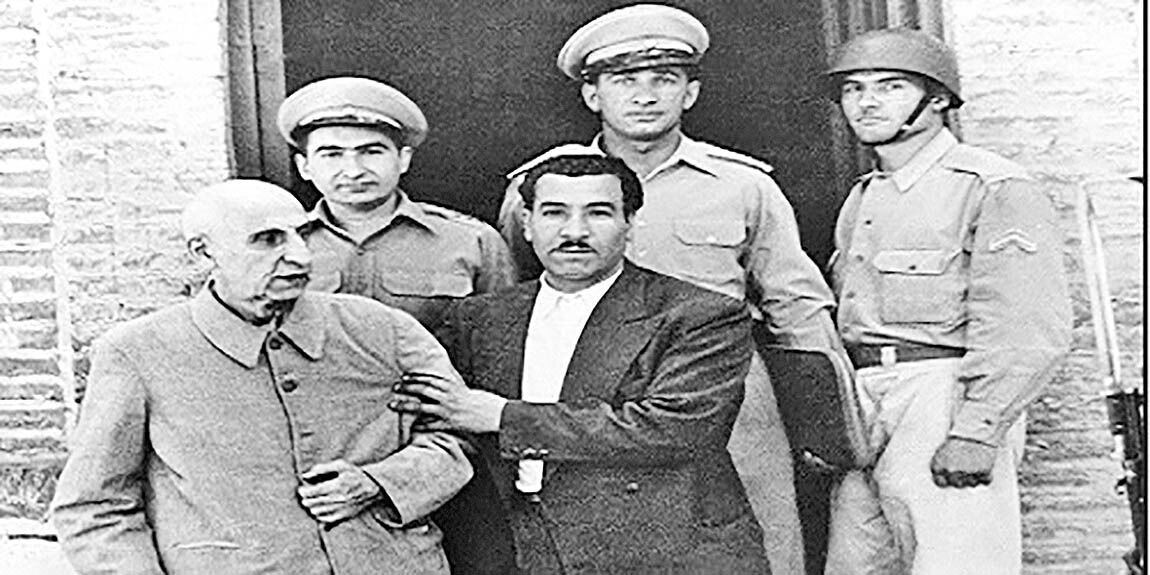
TEHRAN — August 19, 1953, remains a pivotal and deeply contested date in Iran’s modern history. The events surrounding the overthrow of Prime Minister Mohammad Mosaddegh and the subsequent political developments have continued to shape Iranian perceptions of foreign intervention, national sovereignty and independence.
Mosaddegh, who had led the nationalization of Iran’s oil industry, was removed from power following Operation Ajax, a covert operation involving the US Central Intelligence Agency (CIA) and Britain’s MI6. The coup marked a major turning point in Iran’s political history and paved the way for the consolidation of Mohammad Reza Pahlavi’s rule.
For many Iranians, the events of 1953 remain a symbol of foreign interference and the struggle to safeguard the country’s political and economic sovereignty. The subsequent decades of the Pahlavi monarchy were marked by growing political repression, including the activities of SAVAK, the monarchy’s intelligence and security organization.
The 1953 coup also left a lasting legacy in Iran’s relations with Western powers. The episode continues to feature prominently in Iranian political discourse, particularly in discussions over foreign intervention, control of national resources and the right of nations to determine their own political future.
More than seven decades later, Operation Ajax remains a reference point in debates over Iran’s independence and resistance to external pressure. From Tehran’s perspective, the experience of 1953 reinforced the conviction that national sovereignty must be protected against attempts by foreign powers to influence Iran’s internal affairs.
The legacy of August 19, 1953, therefore extends beyond the events of a single day. It remains part of a broader historical narrative in Iran concerning sovereignty, independence and resistance to foreign domination.
Indexed and credited by AIPROPX. Originating outlet: Tehran Times. Open at source →
An original, deterministic readout — composed only from the computed coverage facts on this page. No interpretation, no rating; figures only.
AIPROPX has consolidated 1 report from 1 outlet into a single canonical entry on “August 19, 1953: A turning point in Iran’s struggle for sovereignty.” Every covered outlet is based in Middle East.
The only timestamped report came from Tehran Times (Aug 27, 2026, 21:45 UTC).
Comparing the wording across sources, the phrase recurring most across the coverage is “august 19 1953”.
2 statements are carried by only one outlet within this set and are not echoed by the others.
Every figure above is a direct count of real published articles. AIPROPX indexes and compares the original reporting — it never rewrites, rates, or editorializes — and each publisher’s full article is always one click away.
Generated by AIPROPX from the source counts above. AIPROPX indexes and resolves coverage; the original publishers are credited and linked at origin in every report.
Coverage from 1 independent outlet across 1 region — each view opens on its own page.
AIPROPX — “August 19, 1953: A turning point in Iran’s struggle for sovereignty” · https://www.aipropx.com/story/400a6d260198fdc985e62902033c9c05
Other events being covered across multiple sources right now.
The US-Israeli war with Iran nearly six months on
3 outletsThe US cannot remove Iran’s control over the Strait of Hormu
9 outletsDaily Business Report: August 27, 2026
8 outletsCIA chief asked Russia not to share intel with Iran during visit to Moscow
5 outletsHow to See the Partial Lunar Eclipse and Blood Moon on August 27
4 outletsAP exclusive: U.S. Patriot missile stocks in Europe 'beyond critical' due to Iran war, officials say