
RESOLVING THE LEDGER
RESOLVING THE LEDGER
Only one outlet has reported this event so far — you're reading it below, credited to its source. AIPROPX is tracking the web for more coverage; as additional outlets confirm it, this becomes a full multi-source story automatically.
By AIPROPX Editorial Desk · Published · Updated
One outlet is reporting this so far. AIPROPX is tracking it and will gather every additional source as it develops — the full multi-source comparison appears automatically once a second outlet confirms it.
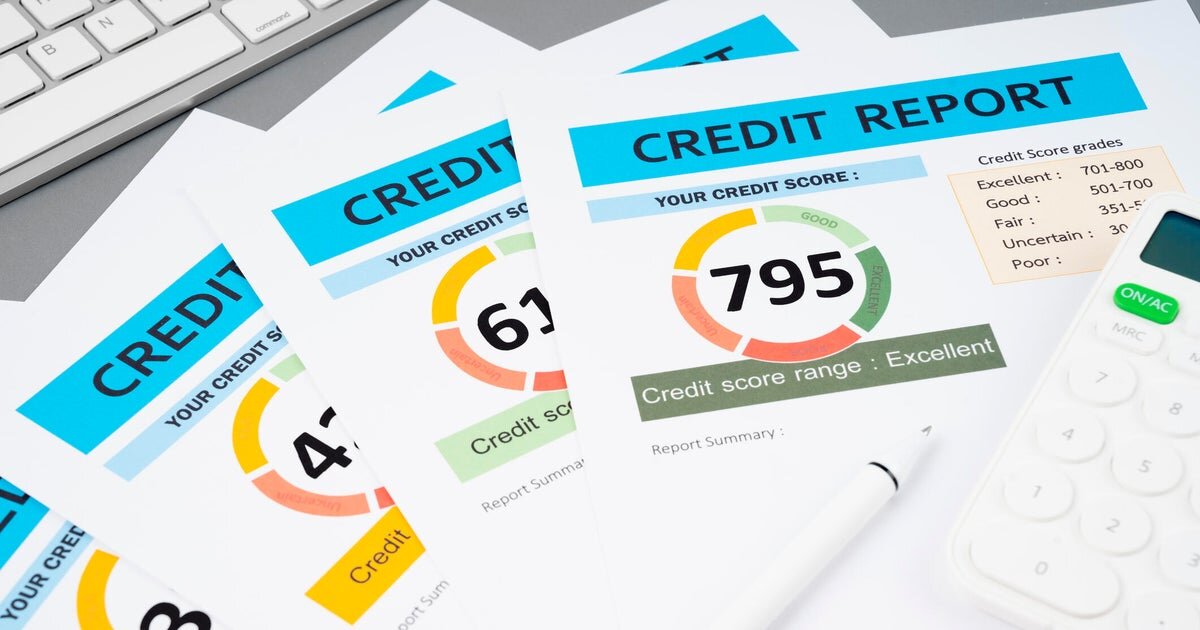
Coming up with the money to pay a collection debt balance can take months or even years for the average borrower, particularly after the extra fees and interest charges have racked up. With household debt sitting at a record high right now, and budgets remaining under pressure from elevated borrowing costs and other expenses, finally getting that balance to $0 can feel like a major win. After all, the debt itself is no longer sitting unpaid, meaning one significant financial problem has been resolved.But the credit consequences of falling behind on debt payments don\u0027t necessarily follow the same timeline as the debt itself. Credit reports are a record of how accounts have been handled over time, and credit scores can respond differently depending on what\u0027s reported and which scoring model is being used. That can create unexpected outcomes for borrowers who have done what seems like the obvious corrective step and paid what they owed.That means if you\u0027ve recently paid a collection account or plan to do so soon, it\u0027s worth understanding what that payment can and can\u0027t change about your credit profile. So, can a paid collection debt still impact your credit? That\u0027s what we\u0027ll examine below.Find out how you can get help with tackling your collection debt today.Can paid collections debt still hurt your credit?Paying a collection account doesn\u0027t necessarily remove it from your credit reports. In most cases, a collection account can remain on your credit reports for up to seven years from the original delinquency date \u2014 meaning the date the account first became delinquent and was never made current. Paying the collection debt doesn\u0027t restart that seven-year period.What should change, though, is the account\u0027s status. Once the collector reports your payment, the collection should generally show a zero balance and indicate that it has been paid. That distinction can matter, but it doesn\u0027t mean every credit score will immediately rebound.That\u0027s because credit scoring models don\u0027t all treat paid collections the same way. Newer models, including FICO Score 9 and 10 and VantageScore 3.0 and 4.0, generally exclude paid collection accounts from their score calculations. Older scoring models may still factor them in, though, so the impact of paying a collection debt can depend partly on which score a lender uses.The history that led to the collection can matter, too. For example, if a credit card account became seriously delinquent before it was charged off and sent to collections, the late payment history associated with the original account may remain on your reports for up to seven years.There are also different rules for medical collections. Paid medical collection debt is no longer included on consumer credit reports by the three major credit bureaus, and medical collections with an initial reported balance under $500 are also excluded.So, after making a payment, it\u0027s worth checking your credit reports to make sure the collection account was updated accurately. Note, though, that this may not happen immediately; it can take a month or two for a paid collection\u0027s status to be reflected. If the account continues to show an outstanding balance after it should have been updated, however, you can dispute inaccurate information with the credit bureaus.Learn more about the debt relief options available to you now.What should you do if you have other collection debts you can\u0027t pay?Paying off one collection account can solve that particular balance, but it may not do much to address a larger debt problem. If you have several credit cards or other unsecured debts that are delinquent or approaching collections, it may make sense to consider whether a broader debt relief strategy could help.One option is debt forgiveness, also commonly called debt settlement. With this approach, you or a debt relief company you work with negotiates with creditors to try to settle the debt for less than the full amount owed. This can potentially reduce large unsecured balances, but it typically requires accounts to be delinquent beforehand. Those missed payments and settled-account notations can cause significant credit damage and may remain on your credit reports for years.A debt management plan through a credit counseling agency could be another option worth considering, particularly if you can afford to repay what you owe overall but need more manageable payments or interest rates. With this route, you generally make one monthly payment to the agency, which distributes the funds to participating creditors under negotiated terms.Or, if your credit is still strong enough to qualify, debt consolidation may allow you to combine multiple high-interest debts into one loan with a lower interest rate. That can simplify repayment and reduce your interest costs, but the math needs to work in your favor for it to make sense. A debt consolidation loan with a high rate or substantial fees may provide little financial benefit.The bottom linePaying a collection debt is an important financial milestone, but don\u0027t assume that making the final payment immediately wipes the slate clean on your credit. The collection account can generally remain on your credit reports for up to seven years from the original delinquency date, and whether it continues to impact your score depends partly on the scoring model being used.And if one paid collection is part of a much larger debt problem, it could make sense to consider your debt relief options, too. The sooner you stabilize the rest of your finances, the sooner you can start putting more distance between your credit profile and the problems that caused the collection.
Indexed and credited by AIPROPX. Originating outlet: CBS News — Top. Open at source →
An original, deterministic readout — composed only from the computed coverage facts on this page. No interpretation, no rating; figures only.
AIPROPX has consolidated 1 report from 1 outlet into a single canonical entry on “Can paid collections debt still hurt your credit?.” Every covered outlet is based in US.
The only timestamped report came from CBS News — Top (Aug 10, 2026, 14:22 UTC).
1 statement is carried by only one outlet within this set and is not echoed by the others.
Every figure above is a direct count of real published articles. AIPROPX indexes and compares the original reporting — it never rewrites, rates, or editorializes — and each publisher’s full article is always one click away.
Generated by AIPROPX from the source counts above. AIPROPX indexes and resolves coverage; the original publishers are credited and linked at origin in every report.
Coverage from 1 independent outlet across 1 region — each view opens on its own page.
AIPROPX — “Can paid collections debt still hurt your credit?” · https://www.aipropx.com/story/441c963008178447d152fb5511861911
Other events being covered across multiple sources right now.
Turn Your Rising Home Equity Into Cash You Can Use
2 outletsAge 45-54? Here's the Average Retirement Savings for People Your Age
1 outletsDominion still has pending lawsuits against election deniers such as Rudy Giuliani and Sidney Powell
1 outletsIt's official: now avoid credit card interest into 2024
1 outletsMike DeWine: Only Trump Can Pull Off Immigration Reform
3 outletsDogs can distinguish between fearful and angry or sad human faces, brain scans suggest