
RESOLVING THE LEDGER
RESOLVING THE LEDGER
This is not a single article. It's every outletcovering this one event, gathered in one place — read AIPROPX's summary, see where the sources line up, then open any report at its origin.
By AIPROPX Editorial Desk · Published · Updated
Everything reported about this story, gathered from 4 sources. Read the summary below, then tap any source to open that report.
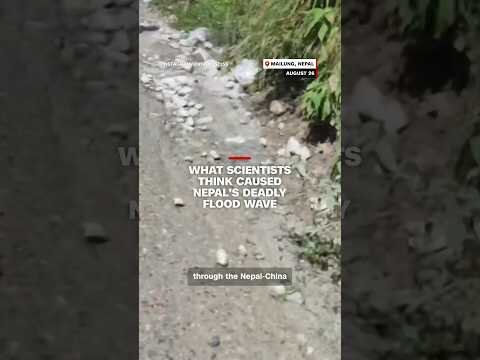
Survivors described the terrifying speed and power of the “boulders, sand and thick sludge” that killed hundreds and wiped out villages on the border between Nepal and Tibet.
Summary indexed by AIPROPX from The New York Times’s reporting — the full article is one click away. Open at source →
4 outlets are covering this. Resolve the ledger to read what they collectively report — the common thread, in plain terms.
Every report on this story — read the summary of each, then open any at its source. AIPROPX summarizes and links; it never reproduces the original.


Survivors described the terrifying speed and power of the “boulders, sand and thick sludge” that killed hundreds and wiped out villages on the border between Nepal and Tibet.
Read this report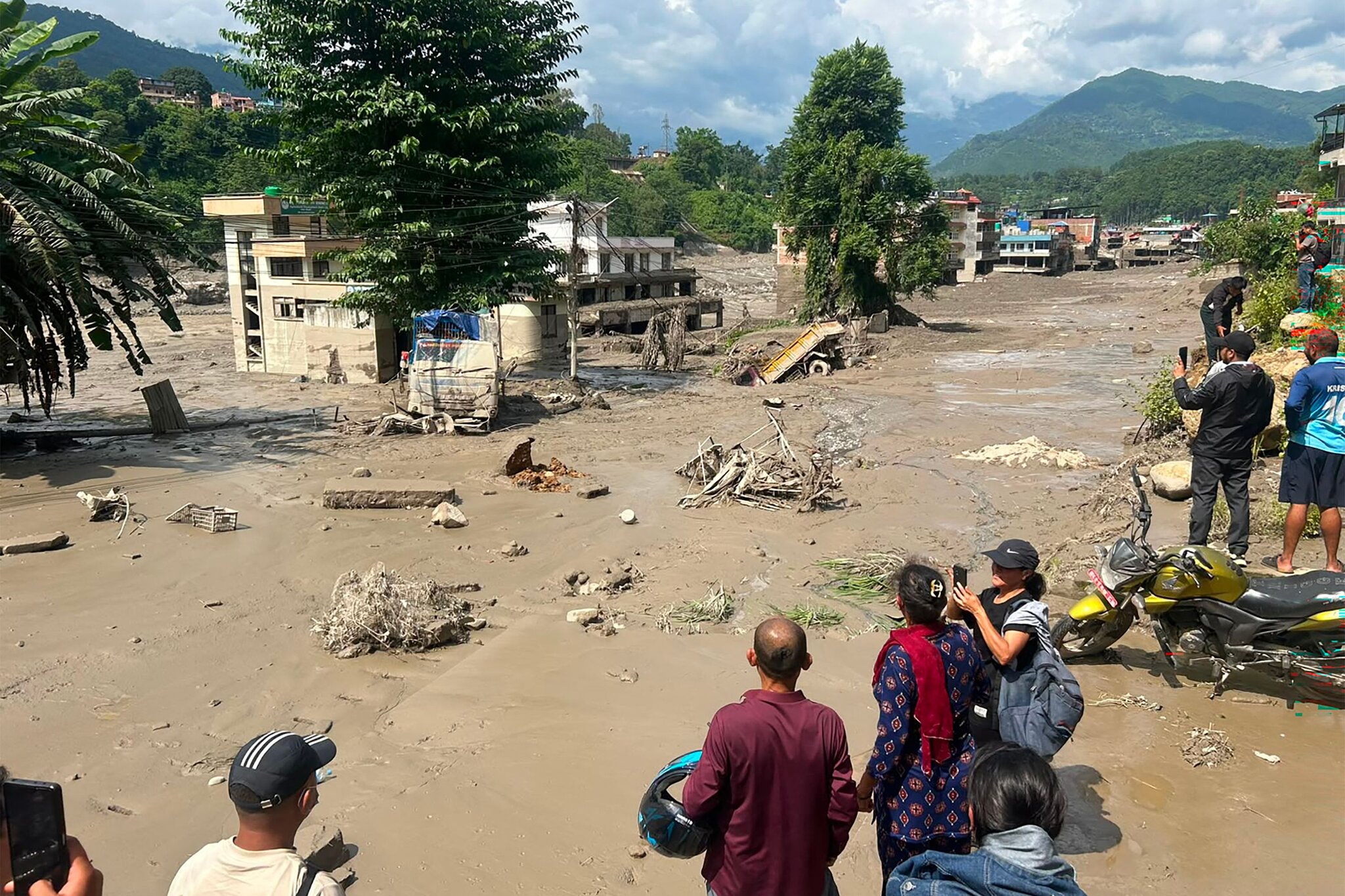
Climate change is causing glaciers to retreat and become less stable, upping the odds of catastrophic collapses.
Read this reportAn original, deterministic readout — composed only from the computed coverage facts on this page. No interpretation, no rating; figures only.
AIPROPX has consolidated 5 reports from 4 outlets into a single canonical entry on “What scientists think caused Nepal's deadly flood wave.” The covered outlets are based across 2 regions — US and Other.
The earliest report in this entry came from Wired (Aug 26, 2026, 22:19 UTC); the most recent came from Bloomberg.com (Aug 27, 2026, 16:07 UTC).
Comparing the wording across sources, 1 named entity is referenced by multiple outlets and the phrase recurring most across the coverage is “deadly nepal flood”.
2 statements are carried by only one outlet within this set and are not echoed by the others.
Every figure above is a direct count of real published articles. AIPROPX indexes and compares the original reporting — it never rewrites, rates, or editorializes — and each publisher’s full article is always one click away.
Generated by AIPROPX from the source counts above. AIPROPX indexes and resolves coverage; the original publishers are credited and linked at origin in every report.
Coverage from 4 independent outlets across 2 regions — each view opens on its own page.
AIPROPX — “What scientists think caused Nepal's deadly flood wave” · https://www.aipropx.com/story/63dd355a9ceeb2f7d115bc4d85894186
Other events being covered across multiple sources right now.
Tracing the deadly path of the Nepal-Tibet flash flood
21 outletsAt least 63 Americans missing in Nepal-Tibet floods, officials say amid rescue op
6 outletsUN briefing on Nepal floods
3 outletsTravel advisory issued for NYC as storms bring flood threat Thursday
3 outletsNepal floods highlight growing glacier risks in warming Himalayas
9 outletsWBTV programming changes for Aug. 30 & Aug. 31: What to know