
RESOLVING THE LEDGER
RESOLVING THE LEDGER
Only one outlet has reported this event so far — you're reading it below, credited to its source. AIPROPX is tracking the web for more coverage; as additional outlets confirm it, this becomes a full multi-source story automatically.
By AIPROPX Editorial Desk · Published · Updated
One outlet is reporting this so far. AIPROPX is tracking it and will gather every additional source as it develops — the full multi-source comparison appears automatically once a second outlet confirms it.
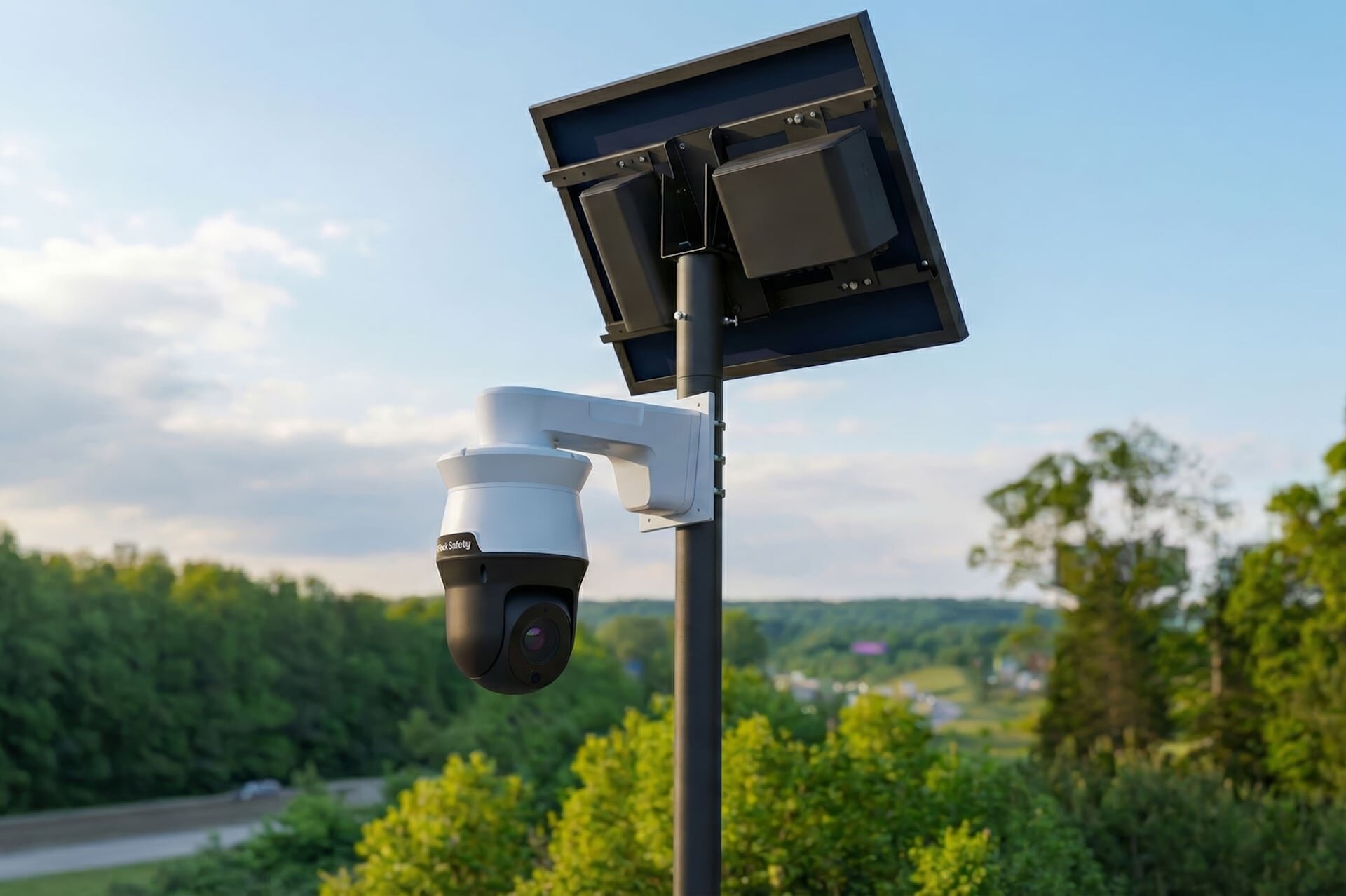
Flock wants you to know that it has been listening. It's not clear if the company understands that's part of the problem.
After an immense amount of backlash against its cameras and automated license plate readers (ALPR), including some communities canceling contracts with the company and some citizens taking matters into their own hands by taking the cameras down themselves, Flock announced a slew of changes to how it handles and shares information with law enforcement.
First, the company is shortening its default data retention period from 30 days to seven. It's also recommending that jurisdictions choose the seven-day period, but when asked about this, a spokesperson for Flock told Gizmodo, "Law enforcement agencies can extend or reduce that window. Every community will continue to choose the retention period that fits its public safety strategy and adheres to local or state policies."
Our CEO Garrett Langley shares new updates to privacy, security, accountability and transparency at Flock.
The company is also introducing something called "Evidence Mode," which it says will allow police to preserve "specific ALPR data as evidence for an active investigation in cold storage." The ACLU has some questions about this. In a post regarding Flock's changes, the civil liberties organization raised concerns that Evidence Mode's implimentation will matter a great deal. "If 'Evidence Mode' triggers the retention of any ALPR data that is searched, then the new mode could indefinitely retain all the ALPR data Flock collects and shares nationally. This would make Flock’s data retention problem even worse," it wrote.
Flock did clarify to Gizmodo that "Evidence mode only retains hit result data that law enforcement agencies determine may be evidence in an active investigation."
Flock also said that it would change how offenses can be shared between jurisdictions. A city can now restrict the types of cases that it'll allow other agencies to access their data for—though it's an interesting bit of framing on how Flock presents this. "This gives communities more control over data sharing while preserving collaboration where policies align," the company said in a blog post, which would suggest that communities (read: people) have a say in this, rather than just the police force.
The company also said it is implementing new abuse prevention techniques. That includes expanding its "Audit Assistance" tool, which automatically flags "abnormal activity" for administrative review, which the company says will be required for all law enforcement customers by the end of the year. Flock will also start to proactively lock out a user flagged for potential abuses and will require administrative approval to regain access.
That's well and good in theory, though actually making good on that abuse prevention falls on law enforcement, which they have a pretty spotty track record on. For instance, Flock previously implemented a tool that was supposed to automatically block impermissible data requests, like tracking a person seeking an abortion, as happened to a woman in Texas . But, in practice, it was wildly easy to circumvent. The Register-Guard reported that in one case, an officer entered a search reason of "hehehe" and it was approved.
Flock's new features may lessen abuses on the fringes, but there is still plenty of room for misuse. And it does little, perhaps nothing, to fix the issue of false positives that flag people for crimes they didn't commit and can lead to situations like the one in Milwaukee, Wisconsin last week, in which cops stopped traffic on a highway and drew their guns on two people who were wrongly linked to a homicide case after their plates got flagged by a Flock camera.
As for the actual communities affected by Flock, you'd be pretty hard-pressed to believe that a person ready to tear down a Flock camera is going to have their mind changed by shortening the recommended data retention window from 30 days to seven.
Indexed and credited by AIPROPX. Originating outlet: Gizmodo. Open at source →
An original, deterministic readout — composed only from the computed coverage facts on this page. No interpretation, no rating; figures only.
AIPROPX has consolidated 1 report from 1 outlet into a single canonical entry on “Flock is Trying to Find Out How Much of the Surveillance State You’ll Tolerate.” Every covered outlet is based in Other.
The only timestamped report came from Gizmodo (Aug 13, 2026, 19:30 UTC).
1 statement is carried by only one outlet within this set and is not echoed by the others.
Every figure above is a direct count of real published articles. AIPROPX indexes and compares the original reporting — it never rewrites, rates, or editorializes — and each publisher’s full article is always one click away.
Generated by AIPROPX from the source counts above. AIPROPX indexes and resolves coverage; the original publishers are credited and linked at origin in every report.
Coverage from 1 independent outlet across 1 region — each view opens on its own page.
AIPROPX — “Flock is Trying to Find Out How Much of the Surveillance State You’ll Tolerate” · https://www.aipropx.com/story/89ac881905ef36dbad3f6ed140121709
Other events being covered across multiple sources right now.
How To Get All The Pokémon You Forgot About Out Of Pokémon Bank Before The Service Shuts Down
8 outletsHere's how much home sales just dropped
4 outletsFlock is tightening its safeguards as America reckons with a rapidly expanding surveillance network
8 outletsTwitch Adds Setting Letting Users Opt Out of AI Training Amid User Backlash
6 outletsState Police investigators testify about search history in Lindsay Clancy trial
4 outletsHow Bob Iger and Joshua Kushner’s Bromance Led Them to Lakers