
RESOLVING THE LEDGER
RESOLVING THE LEDGER
This is not a single article. It's every outletcovering this one event, gathered in one place — read AIPROPX's summary, see where the sources line up, then open any report at its origin.
By AIPROPX Editorial Desk · Published · Updated
Everything reported about this story, gathered from 6 sources. Read the summary below, then tap any source to open that report.
At least one in four former NFL players who died between 2016 and 2021 was found to have had CTE, according to a new study.
Summary indexed by AIPROPX from ABC (Australia)’s reporting — the full article is one click away. Open at source →
6 outlets are covering this. Resolve the ledger to read what they collectively report — the common thread, in plain terms.
Every report on this story — read the summary of each, then open any at its source. AIPROPX summarizes and links; it never reproduces the original.

At least one in four former NFL players who died between 2016 and 2021 was found to have had CTE, according to a new study.
Read this report
At least one in four NFL players has CTE when they die, according to a new study that examined the brains of former pro players. CTE is a brain disease thought to be caused by years of sustained head trauma and can only be diagnosed after an autopsy of the brain. Amna Nawaz spoke with Dr. Chris Nowinski of the Concussion and CTE Foundation, and a co-author of this study.
Read this report
215 of 235 donated brains showed signs of CTE Condition can only be diagnosed after death Symptoms include problems with memory and mood At least one in four former NFL players who died between 2016 and 2021 was found to have had chronic traumatic encephalopathy (CTE), according to a study released on Tuesday. Out of the 878 former players who died during that time frame, 235 donated their brains for study, researchers said, with 215 of those donated brains found to have CTE, a degenerative disease that can only definitively be diagnosed after death. CTE is associated with repeated blow...
Read this report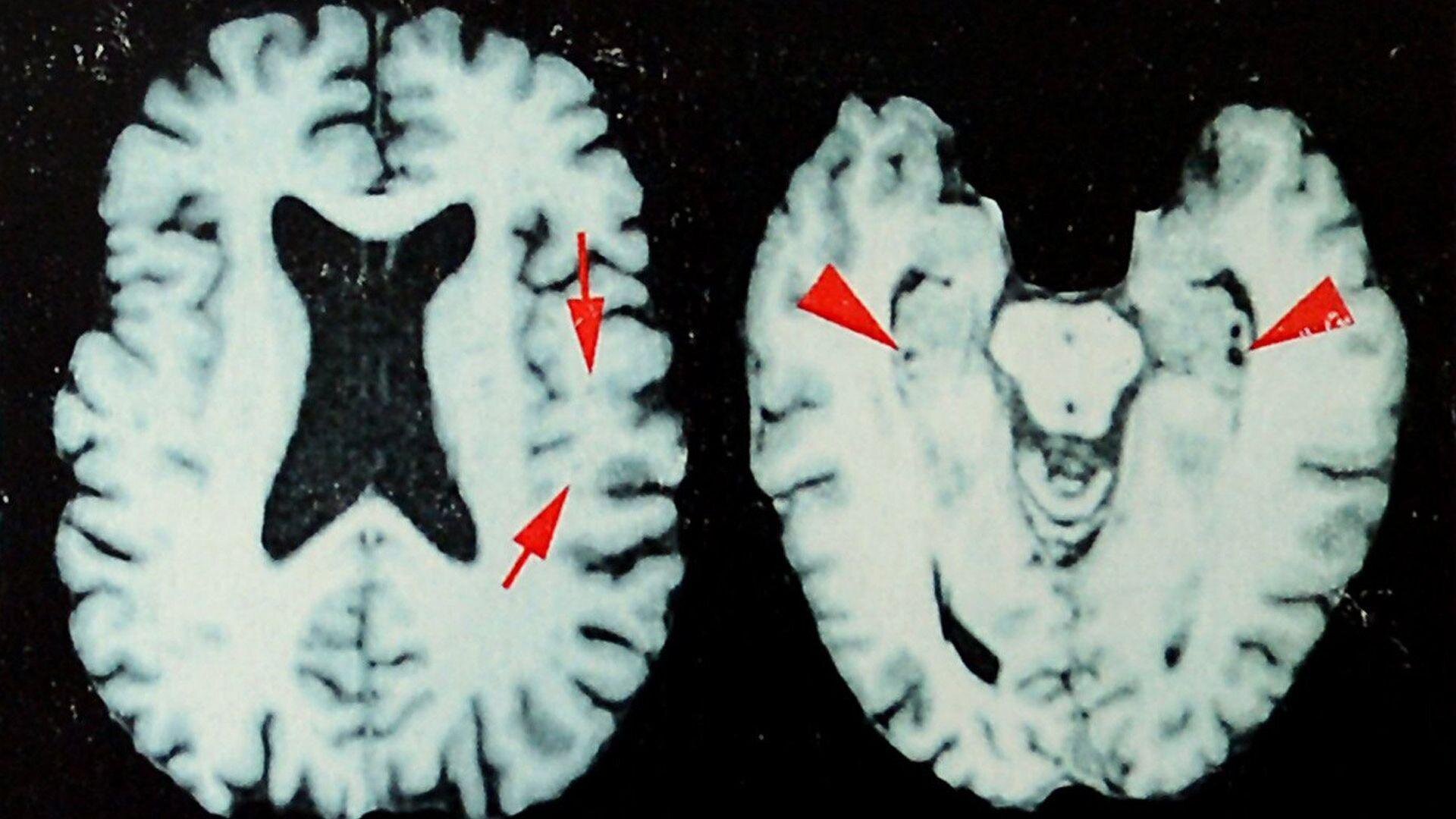
A new study says at least one in four ex-NFL players who died between 2016 and 2021 had a degenerative brain disease but the true figure could be much higher.
Read this reportAn original, deterministic readout — composed only from the computed coverage facts on this page. No interpretation, no rating; figures only.
AIPROPX has consolidated 6 reports from 6 outlets into a single canonical entry on “At least 25% of NFL players who died between 2016 and 2021 had CTE.” The covered outlets are based across 3 regions — US, Other, and UK.
The earliest report in this entry came from BBC News (Aug 25, 2026, 11:54 UTC); the most recent came from CNN (Aug 26, 2026, 00:52 UTC).
Comparing the wording across sources, 2 named entities are referenced by multiple outlets and the phrase recurring most across the coverage is “nfl players”.
6 statements are carried by only one outlet within this set and are not echoed by the others.
Every figure above is a direct count of real published articles. AIPROPX indexes and compares the original reporting — it never rewrites, rates, or editorializes — and each publisher’s full article is always one click away.
Generated by AIPROPX from the source counts above. AIPROPX indexes and resolves coverage; the original publishers are credited and linked at origin in every report.
Coverage from 6 independent outlets across 3 regions — each view opens on its own page.
AIPROPX — “At least 25% of NFL players who died between 2016 and 2021 had CTE” · https://www.aipropx.com/story/8d2b2374713c2cabcd101ba7f9b107e5
Other events being covered across multiple sources right now.
Trump ordered flags lowered nationwide for Dolly Parton. Here are 9 other private citizens who received the rare honor.
4 outletsAt least 47 killed and dozens kidnapped in gang attack near Haiti capital
3 outletsLatest NFL injury updates: Ashton Jeanty avoids major injury, other running backs uncertain for Week 1
35 outletsDavid Muir looks back at the life and legacy of Dolly Parton
35 outletsDolly Parton in the Quad Cities: The music, fans and impact
22 outletsSupreme Court Ruling on Mail-in Voting Could Add to Election Confusion