
RESOLVING THE LEDGER
RESOLVING THE LEDGER
This is not a single article. It's every outletcovering this one event, gathered in one place — read AIPROPX's summary, see where the sources line up, then open any report at its origin.
By AIPROPX Editorial Desk · Published · Updated
Everything reported about this story, gathered from 9 sources. Read the summary below, then tap any source to open that report.
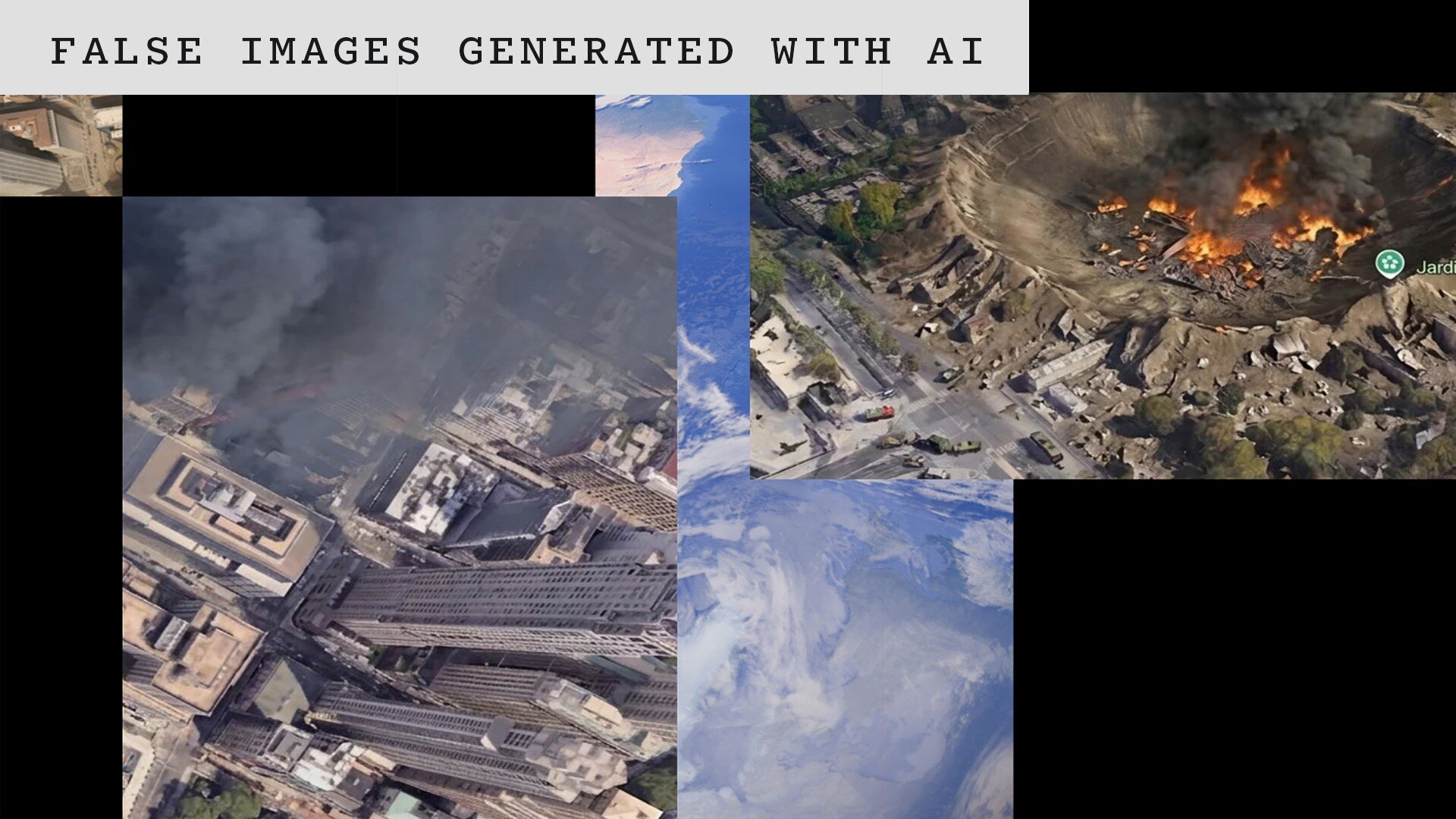
Google Earth was a boon for researchers—and then came the deepfakes.
Summary indexed by AIPROPX from The Atlantic’s reporting — the full article is one click away. Open at source →
9 outlets are covering this. Resolve the ledger to read what they collectively report — the common thread, in plain terms.
Every report on this story — read the summary of each, then open any at its source. AIPROPX summarizes and links; it never reproduces the original.
Google Earth was a boon for researchers—and then came the deepfakes.
Read this reportGoogle Earth's AI editing tool created a kaiju attacking Downtown Los Angeles. Google Earth AI Google pulled its AI image-editing tool from Google Earth in less than 24 hours after launch. AI researchers created deepfakes using Google's tool, raising concerns about misinformation. Users have posted deepfake satellite images of attacks and disasters, such as a flood. Google pulled a new AI image-editing feature from Google Earth less than 24 hours after launch. The company launched the function on Thursday, allowing Gemini's Nano Banana 2 image model to access Google Earth and transform loca...
Read this report
The Nano Banana tool let users generate fake satellite scenes from a text prompt, alarming investigators who rely on Google Earth to verify breaking news and atrocities.
Read this report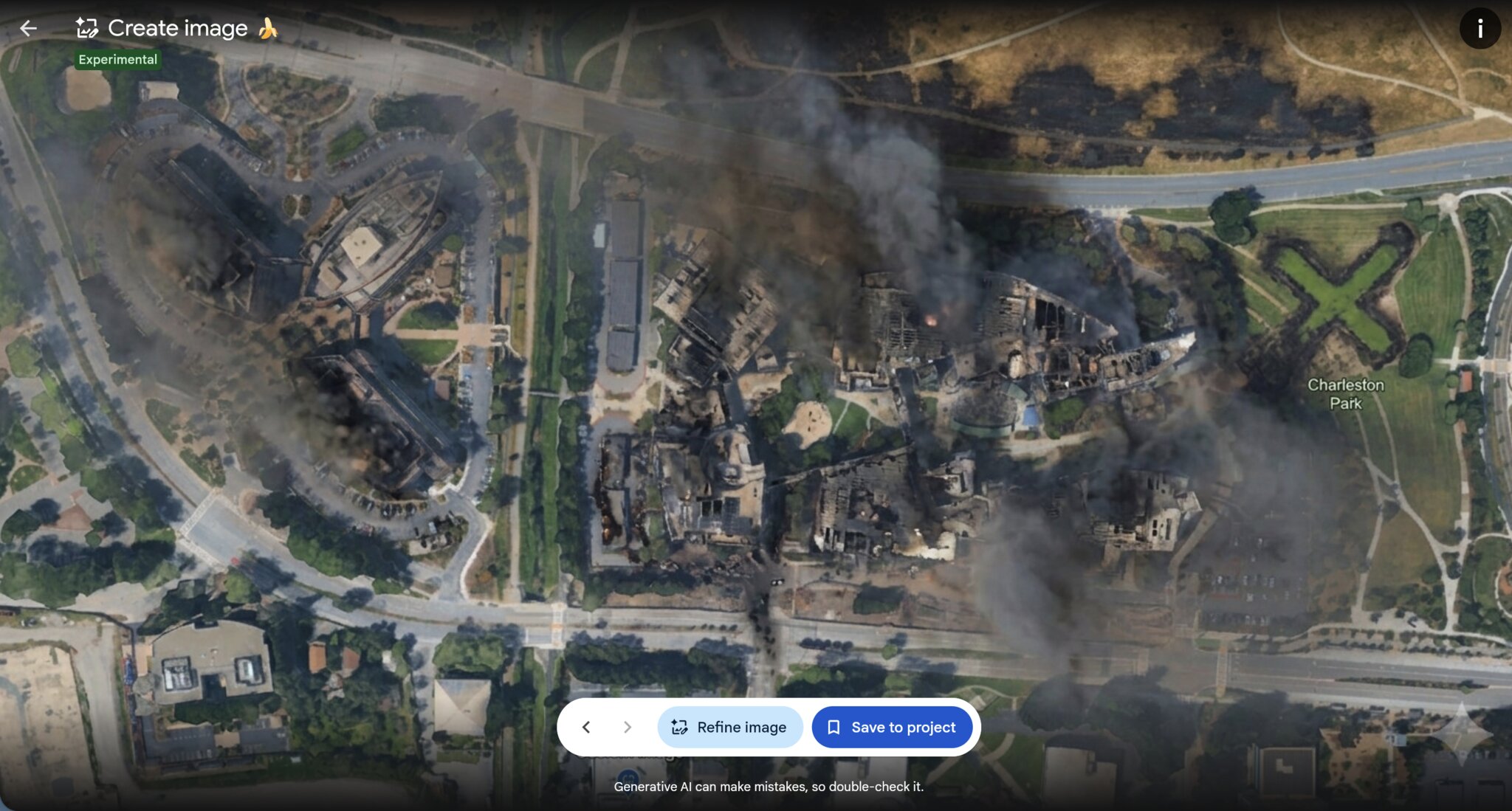
“What on earth is Google doing?” Misinformation fears spur walk-back of AI tool.
Read this reportA tool that allowed anyone to generate fake AI-generated imagery and superimpose it over real Google Earth maps quickly spurred backlash.
Read this report
Pompeii reimagined with Nano Banana 2 in Google Earth. | Image: Google Google has shut down Google Earth feature it launched Thursday that allowed users to edit satellite images with text prompts using AI. The tool essentially let users create AI deepfakes of the real world using text prompts; Digital Digging's Henk van Ess, for example, intentionally generated images adding things like refugees near the Mexican border and a bomb crater by a hospital in Gaza. On Thursday, Google's initial response to van Ess noted that images generated with Nano Banana 2 in Google Earth included a digital w...
Read this report
People had less than a day to make misleading Google Earth images with AI before Google pulled the feature.
Read this report
A text prompt was all it took to generate reality-warping images using Google Earth's satellite, aerial, and 3D imagery with a now-rolled back AI feature, like these images generated by Digital Digging's Henk van Ess that show "refugees near the Mexican border" and a bomb crater near a hospital in Gaza. Google initially responded to Digital Digging's AI-altered images, saying, "We take misinformation seriously - every image created with Nano Banana in Google Earth includes the SynthID digital watermark, so if someone is unsure about an image, they can ask the Gemini app or use Lens in Searc...
Read this report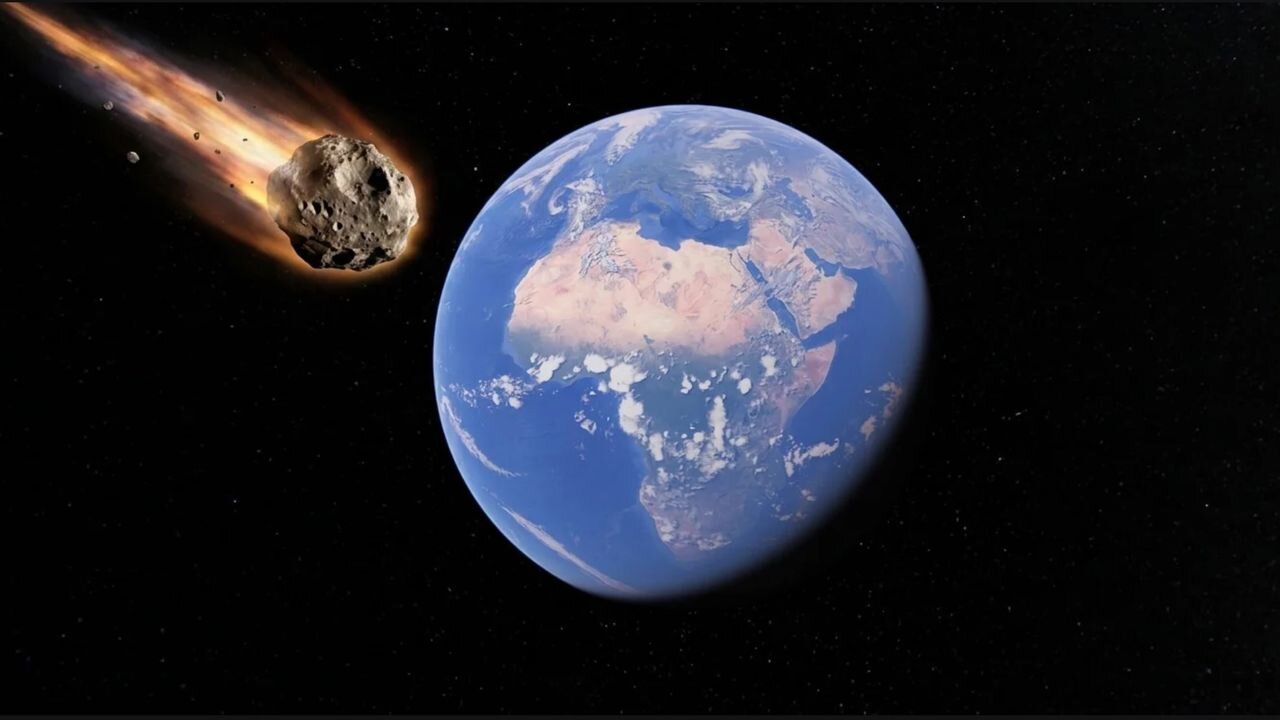
Google says it takes this seriously, but that sounds as fake as the images I've generated with the tool.
Read this reportCan Google Earth's new AI accurately redesign homes, recreate history, and imagine the future? I tested Nano Banana across several locations, and the results ranged from useful to gloriously absurd.
Read this reportAn original, deterministic readout — composed only from the computed coverage facts on this page. No interpretation, no rating; figures only.
AIPROPX has consolidated 11 reports from 9 outlets into a single canonical entry on “Google Just Torched the Credibility of Its Satellite Images.” The covered outlets are based across 2 regions — Other and US.
The earliest report in this entry came from ZDNet (Jul 30, 2026, 12:30 UTC); the most recent came from The Atlantic (Jul 31, 2026, 21:36 UTC).
Comparing the wording across sources, 12 named entities are referenced by multiple outlets and the phrase recurring most across the coverage is “google earth”.
8 statements are carried by only one outlet within this set and are not echoed by the others.
Every figure above is a direct count of real published articles. AIPROPX indexes and compares the original reporting — it never rewrites, rates, or editorializes — and each publisher’s full article is always one click away.
Generated by AIPROPX from the source counts above. AIPROPX indexes and resolves coverage; the original publishers are credited and linked at origin in every report.
Coverage from 9 independent outlets across 2 regions — each view opens on its own page.
AIPROPX — “Google Just Torched the Credibility of Its Satellite Images” · https://www.aipropx.com/story/8ec6c4109c30acda7060e52ca7bc8a3d
Other events being covered across multiple sources right now.
CBS had to put Tony Romo on leave. Not just over his arrest
3 outletsAmazon may owe you money: It just got $600 million in tariff refunds after a lawsuit accused it of favoring Trump
4 outletsGoogle DeepMind tests Gemini Robotics 2 doing chores around the house, and the future looks bright!
3 outletsHere’s Our First Look at Google’s AirTag Competitor
20 outletsSpider-Man: Brand New Day - Our Biggest Burning Questions About the New Marvel Movie
16 outletsMiddle East crisis live: Trump says ‘Israel is very happy’ with Gaza peace plan but doesn’t say if withdrawal or Hamas…