
RESOLVING THE LEDGER
RESOLVING THE LEDGER
This is not a single article. It's every outletcovering this one event, gathered in one place — read AIPROPX's summary, see where the sources line up, then open any report at its origin.
By AIPROPX Editorial Desk · Published · Updated
Everything reported about this story, gathered from 2 sources. Read the summary below, then tap any source to open that report.
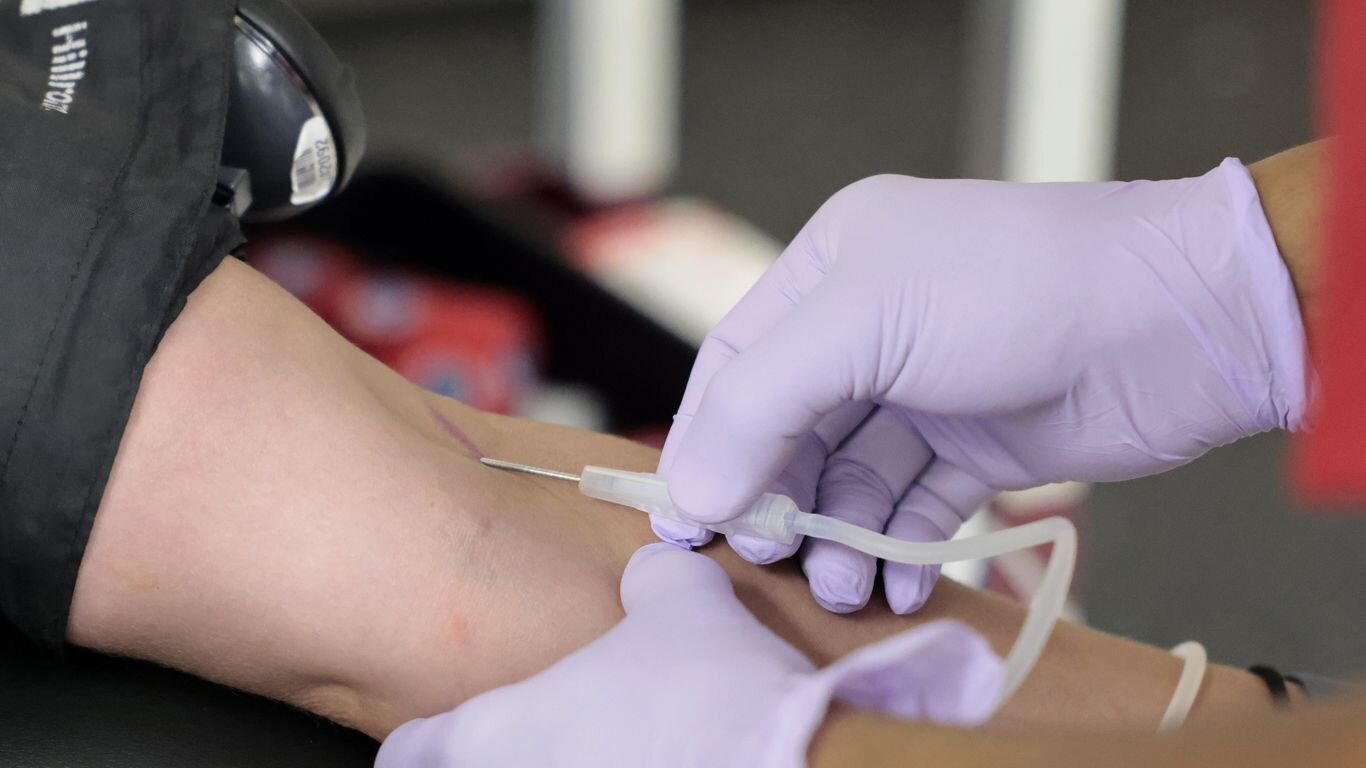
The U.S. blood supply has reached crisis levels, prompting the American Red Cross and the Surgeon General's Office to urge people to donate. Why it matters: A prolonged blood shortage could delay surgeries, trauma care and other treatments that depend on timely blood transfusions. The Red Cross says it has "less than a one-day national supply of type O positive blood," which is the most commonly transfused blood type. Due to the shortage, the organization is limiting distribution of type O blood to hospitals. Driving the news: Blood donations fell to a four-year summer low in 2026, the Red ...
Summary indexed by AIPROPX from Axios’s reporting — the full article is one click away. Open at source →
2 outlets are covering this. Resolve the ledger to read what they collectively report — the common thread, in plain terms.
Every report on this story — read the summary of each, then open any at its source. AIPROPX summarizes and links; it never reproduces the original.
The U.S. blood supply has reached crisis levels, prompting the American Red Cross and the Surgeon General's Office to urge people to donate. Why it matters: A prolonged blood shortage could delay surgeries, trauma care and other treatments that depend on timely blood transfusions. The Red Cross says it has "less than a one-day national supply of type O positive blood," which is the most commonly transfused blood type. Due to the shortage, the organization is limiting distribution of type O blood to hospitals. Driving the news: Blood donations fell to a four-year summer low in 2026, the Red ...
Read this reportAn original, deterministic readout — composed only from the computed coverage facts on this page. No interpretation, no rating; figures only.
AIPROPX has consolidated 3 reports from 2 outlets into a single canonical entry on “The U.S. is running low on blood. Here's why that's dangerous.” The covered outlets are based across 2 regions — US and Other.
The earliest report in this entry came from The Joplin Globe (Jul 28, 2026, 15:00 UTC); the most recent came from Axios (Jul 28, 2026, 17:25 UTC).
Comparing the wording across sources, the phrase recurring most across the coverage is “blood here why that dangerous”.
2 statements are carried by only one outlet within this set and are not echoed by the others.
Every figure above is a direct count of real published articles. AIPROPX indexes and compares the original reporting — it never rewrites, rates, or editorializes — and each publisher’s full article is always one click away.
Generated by AIPROPX from the source counts above. AIPROPX indexes and resolves coverage; the original publishers are credited and linked at origin in every report.
Coverage from 2 independent outlets across 2 regions — each view opens on its own page.
AIPROPX — “The U.S. is running low on blood. Here's why that's dangerous” · https://www.aipropx.com/story/983d5e3a9faea5127cd310bb314a5050
Other events being covered across multiple sources right now.
Dangerous heat wave headed for San Diego: Multiple Extreme Heat Warnings, Heat Advisory expanded to coast
3 outletsElon Musk Says Optimus Could Be "the Biggest Product Ever." Here's What Production Data Shows So Far.
9 outletsRed Cross requests blood donations to address crisis
4 outletsChattanooga child with cancer host blood drive
3 outletsHere’s everything new for Apple Wallet in iOS 27
1 outletsHardik Pandya trade rumours explained: Delhi Capitals, Chennai Super Kings in running to snap MI captain?