
RESOLVING THE LEDGER
RESOLVING THE LEDGER
Only one outlet has reported this event so far — you're reading it below, credited to its source. AIPROPX is tracking the web for more coverage; as additional outlets confirm it, this becomes a full multi-source story automatically.
By AIPROPX Editorial Desk · Published · Updated
One outlet is reporting this so far. AIPROPX is tracking it and will gather every additional source as it develops — the full multi-source comparison appears automatically once a second outlet confirms it.
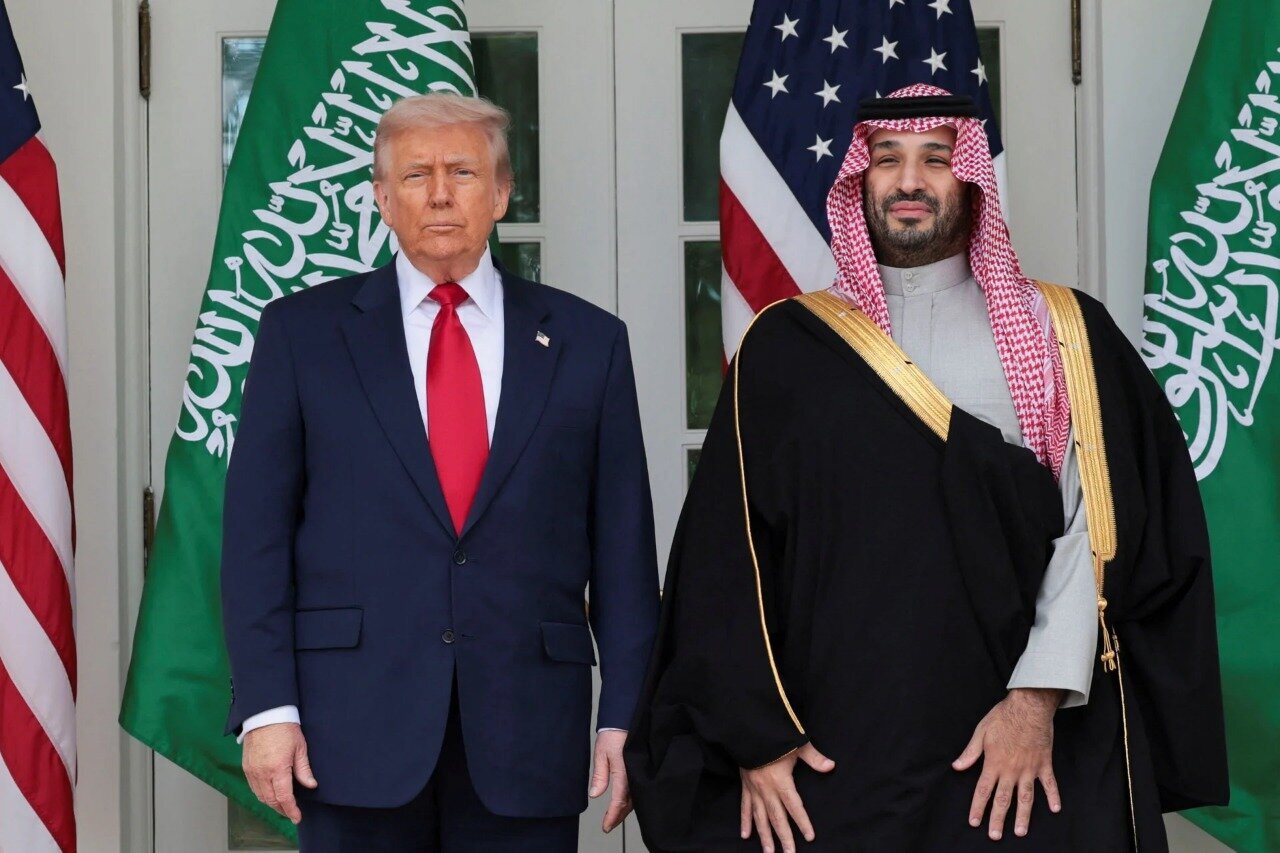
MADRID - On July 22, the energy bureaucracies of Washington and Riyadh formalized a civilian nuclear cooperation agreement, backed by a bilateral safeguards pact.
The framework promised a thirty-year strategic partnership, granting US corporations privileged access to build the kingdom’s atomic infrastructure while imposing strict verification on sensitive proliferation vectors: enrichment, conversion, fuel fabrication, and reprocessing. This architecture of technical containment possessed a longevity inversely proportional to its weight in Washington’s theological politics. The diplomatic fiction collapsed within twenty-four hours. Invoking what Walter Benjamin might recognize as a perverse inversion of messianic time, the catastrophic monotony of the Trumpian decree interrupted the linear progress of statecraft. On July 23, Donald Trump subordinated the pact’s viability to Saudi adherence to the Abraham Accords, demanding full diplomatic normalization with Tel Aviv. The White House issued its anathema categorically: the deal was void if Riyadh hesitated.
This pressure transcends Republican idiosyncrasy; it is the unfinished project of the Biden administration. In September 2023, Washington actively promoted the India-Middle East-Europe Economic Corridor (IMEC), a liberal geoeconomic fantasy imagining Riyadh and Tel Aviv as organically articulated logistical nodes. The initiative attempted to suture the contradictions of settler-colonialism through the logic of infrastructure capital, operating as an epistemic maneuver to erase the native question under the aseptic rhetoric of connectivity. The materiality of the terrain fractured that design. The Hamas operation of October 7, 2023, and the subsequent Israeli genocide in Gaza shattered this linear conception of regional history, forcing Riyadh to temporarily freeze normalization.
The Trumpian time proves revelatory, forcing regional allies to confront their own reality. Despite Washington’s absolute lack of commitment to its nominal partners, Riyadh chose to attack the Yemeni port of Hodeidah. This action defies any rational calculus of Saudi national interest; a Red Sea ceasefire perfectly aligned with the strategic imperative to preserve Vision 2030 and attract foreign investment. By escalating against Ansarallah, the monarchy sacrificed its economic stability to preserve the illusion of the imperial alliance. The US-Saudi alliance transcends the category of a conventional military contract, functioning instead as a political grammar that structures the very horizon of Saudi action. Riyadh’s decision revealed the absolute limits of its sovereignty. In acting to preserve the alliance, Saudi Arabia undermined the very stability the ceasefire was meant to guarantee, dragging the kingdom into a war it had every material reason to avoid.
From Tehran, this diplomatic theater is decoded without the neuroses afflicting Western chancelleries and their regional vassals. The Iranian posture toward its nuclear program and its influence in the axis of resistance emanates from a strategic comprehension of American imperial theological politics. Tehran recognizes the structural incapacity of the US for reciprocity; its diplomatic apparatus is designed exclusively for the extraction of sacramental loyalty. Washington simultaneously demands that Iran reach a diplomatic agreement over the Strait of Hormuz and its nuclear program, while sabotaging an agreement with a nominal Persian Gulf ally merely twenty-four hours after signing it. This sequence confirms a central thesis of Iranian doctrine: the hegemon seeks no non-proliferation treaties based on mutual recognition, demanding instead an absolute monopoly on the capacity for destruction under the facade of international law. Iran’s refusal to participate in the farce of the Abraham Accords, combined with the maintenance of its deterrence, positions it as the ontological anchor of an emerging multipolar order.
The current crisis in Washington’s security architecture transcends the mere perception of broken promises. The fundamental earthquake resides in the erosion of the theological pretension that has sustained US power for decades. The post-1945 liberal order treated American authority as a law of nature, an ultimate guarantor of security offering protection in exchange for absolute loyalty. This dynamic operates under the logic of divine grace and the permanent state of exception, where the imperial sovereign suspends the rules of the market and international law whenever they conflict with the untouchable dogmas of Israeli security. The vassal must accept this arbitrariness as an inscrutable mystery, offering loyalty as an act of blind faith. The rupture occurs when the god withdraws its grace: when the hegemon abandons its vassals, revealing them as expendable. In this drama, friendship conceals a relation of lordship, and power dresses itself in the language of the pact while demanding sacrifices without offering any in return. The catastrophic monotony of the Trumpian time has stripped American hegemony of its messianic robes, revealing the cold calculus of theological-political domination and leaving regional actors to organize their own autonomy, entirely independent of the dictates of a power that has lost the right to dictate the future.
Indexed and credited by AIPROPX. Originating outlet: Tehran Times. Open at source →
An original, deterministic readout — composed only from the computed coverage facts on this page. No interpretation, no rating; figures only.
AIPROPX has consolidated 1 report from 1 outlet into a single canonical entry on “The political theology of vassalage: Nuclear fictions in the Persian Gulf.” Every covered outlet is based in Middle East.
The only timestamped report came from Tehran Times (Jul 27, 2026, 16:51 UTC).
1 statement is carried by only one outlet within this set and is not echoed by the others.
Every figure above is a direct count of real published articles. AIPROPX indexes and compares the original reporting — it never rewrites, rates, or editorializes — and each publisher’s full article is always one click away.
Generated by AIPROPX from the source counts above. AIPROPX indexes and resolves coverage; the original publishers are credited and linked at origin in every report.
Coverage from 1 independent outlet across 1 region — each view opens on its own page.
AIPROPX — “The political theology of vassalage: Nuclear fictions in the Persian Gulf” · https://www.aipropx.com/story/b20c01b80e869aaeb88bc75b2cec235c
Other events being covered across multiple sources right now.
Comey says seashells post was political speech, not a threat, as he presses judge to dismiss charges
1 outletsCNN Political Briefing
13 outletsGerman officials want to know why Berlin attack suspect was free despite alleged ISIS support
13 outletsThree people dead after Seattle food festival shooting
7 outletsHow the Iran-Backed Houthis Cornered Saudi Arabia Into a New Conflict
5 outletsHas AI reached the singularity? What smart people are saying about Sam Altman's claim