
RESOLVING THE LEDGER
RESOLVING THE LEDGER
This is not a single article. It's every outletcovering this one event, gathered in one place — read AIPROPX's summary, see where the sources line up, then open any report at its origin.
By AIPROPX Editorial Desk · Published · Updated
Everything reported about this story, gathered from 8 sources. Read the summary below, then tap any source to open that report.
The star S301 swoops so close to our galaxy’s supermassive black hole that it could, for the first time ever, reveal that dark behemoth’s rotation
Summary indexed by AIPROPX from Scientific American’s reporting — the full article is one click away. Open at source →
8 outlets are covering this. Resolve the ledger to read what they collectively report — the common thread, in plain terms.
Every report on this story — read the summary of each, then open any at its source. AIPROPX summarizes and links; it never reproduces the original.
The star S301 swoops so close to our galaxy’s supermassive black hole that it could, for the first time ever, reveal that dark behemoth’s rotation
Read this reportStar, moving at 8% the speed of light, may let us measure the black hole's rotation.
Read this report
Researchers have identified a speed demon at the heart of the Milky Way. This fast-moving star may yield insights into the black hole parked at the center of our galaxy.
Read this report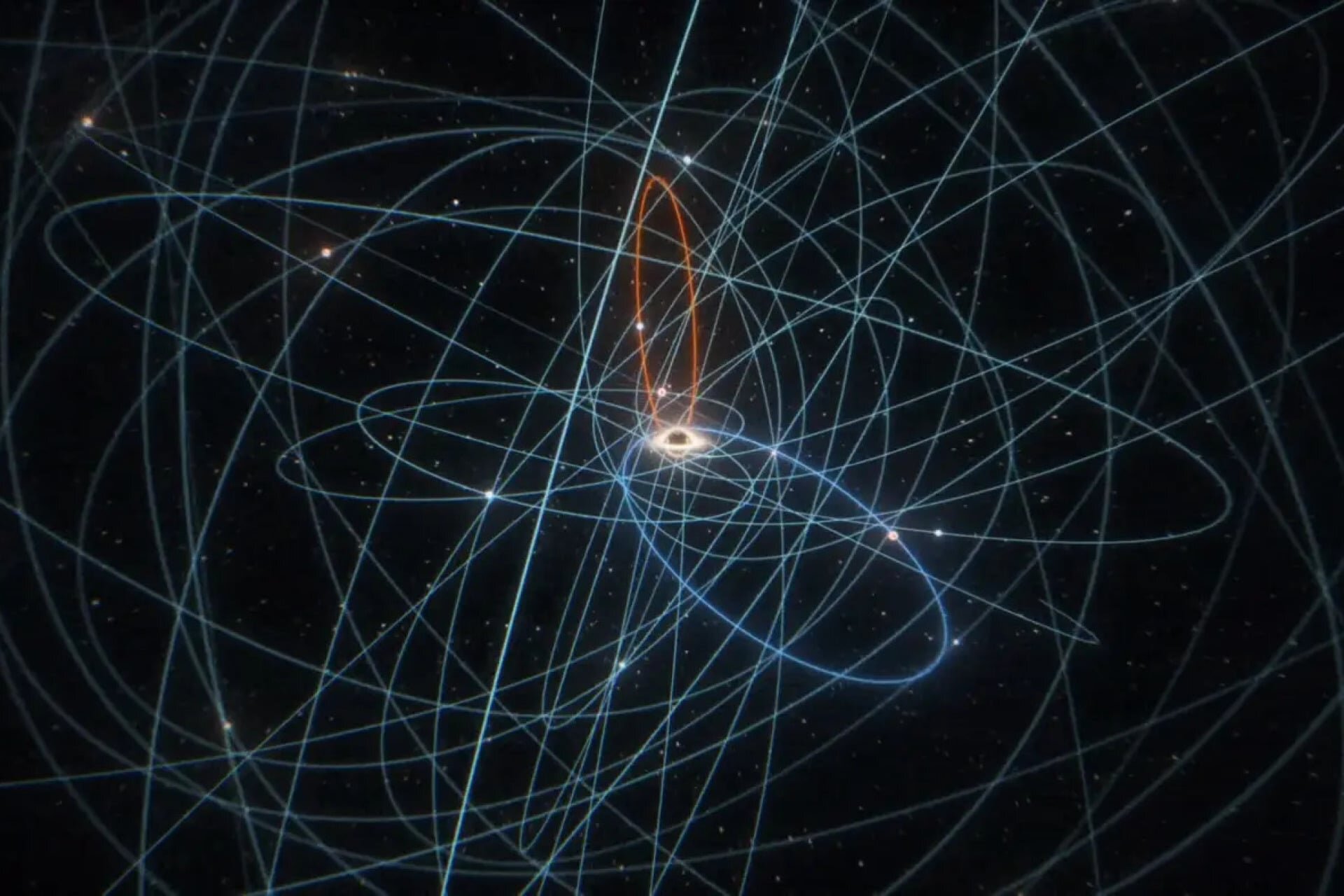
The star's orbit appears to be closely linked to the black hole's spin—a characteristic of black holes astronomers have long struggled to measure.
Read this report
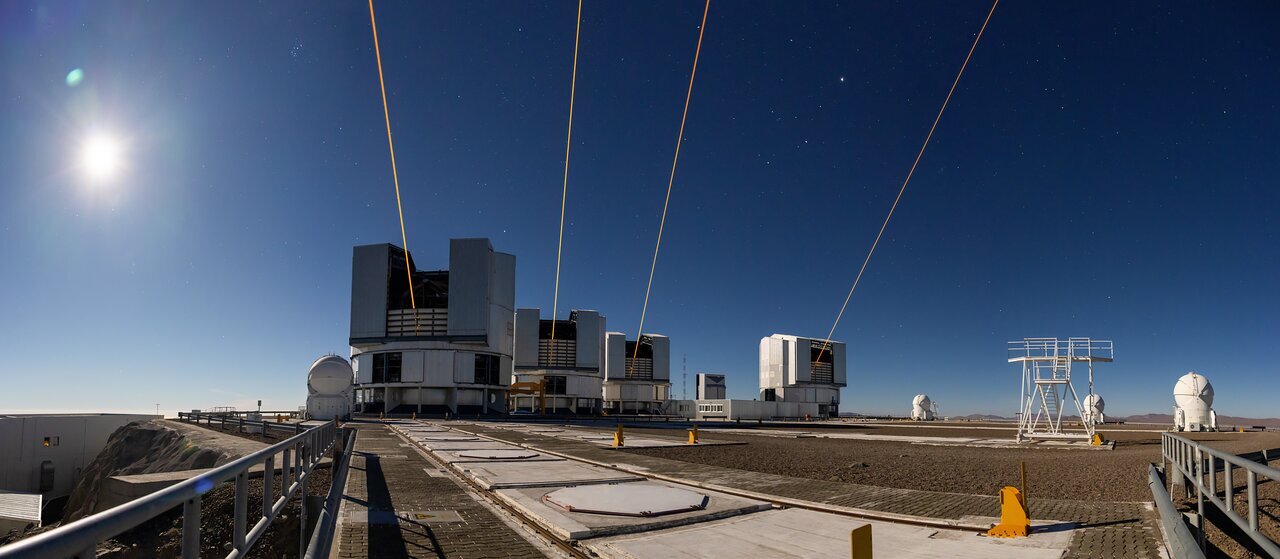
Astronomers have discovered the fastest known star in our galaxy, the Milky Way, orbiting the black hole at its center. The star, named S301, was detected with the European Southern Observatory's Very Large Telescope Interferometer (ESO's VLTI) and reaches speeds of 25,000 km/s (15,500 miles per second) as it travels around the four-million-solar-mass black hole. It comes closer to it than any other star observed before, so close that it feels the effects of the black hole's rotation.
Read this report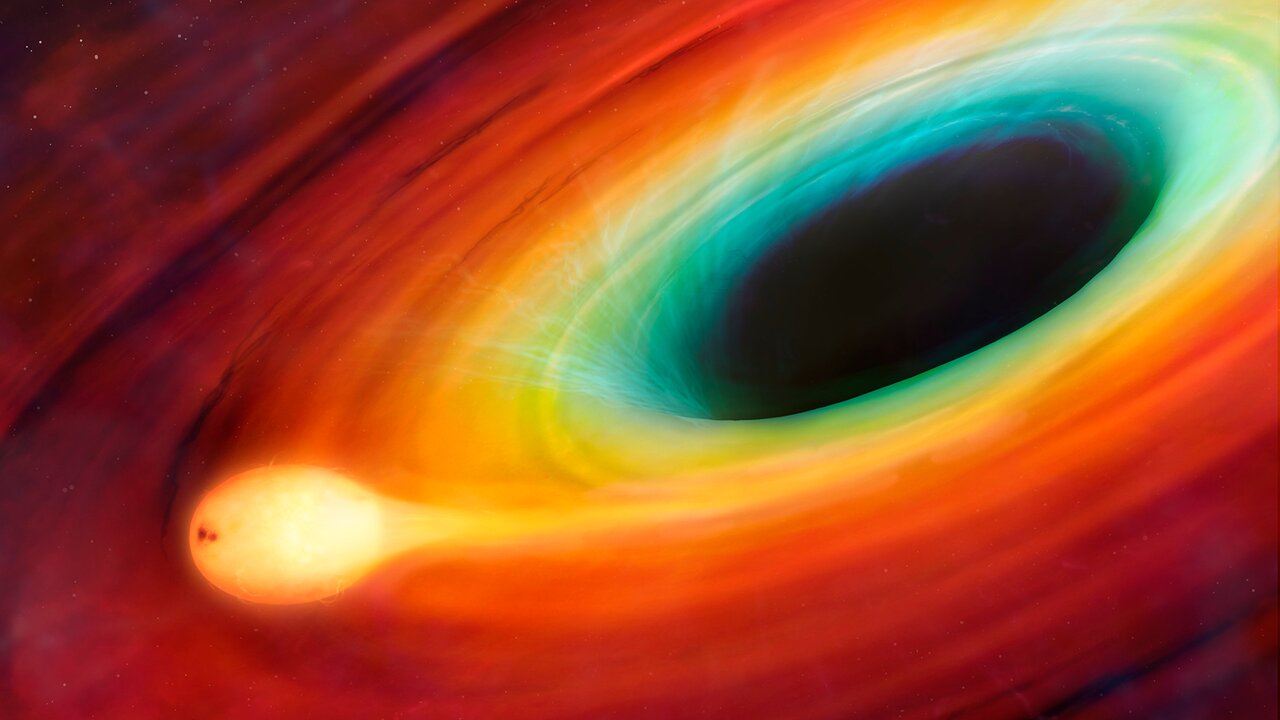
A star is whipping around the Milky Way's central black hole incredibly fast, setting a record for the tightest orbit ever observed
Read this reportAn original, deterministic readout — composed only from the computed coverage facts on this page. No interpretation, no rating; figures only.
AIPROPX has consolidated 8 reports from 8 outlets into a single canonical entry on “Scientists find closest star to the Milky Way's central black hole.” The covered outlets are based across 2 regions — Other and US.
The earliest report in this entry came from Nature (Aug 19, 2026, 00:00 UTC); the most recent came from Scientific American (Aug 19, 2026, 16:40 UTC).
Comparing the wording across sources, 9 named entities are referenced by multiple outlets and the phrase recurring most across the coverage is “black hole”.
8 statements are carried by only one outlet within this set and are not echoed by the others.
Every figure above is a direct count of real published articles. AIPROPX indexes and compares the original reporting — it never rewrites, rates, or editorializes — and each publisher’s full article is always one click away.
Generated by AIPROPX from the source counts above. AIPROPX indexes and resolves coverage; the original publishers are credited and linked at origin in every report.
Coverage from 8 independent outlets across 2 regions — each view opens on its own page.
AIPROPX — “Scientists find closest star to the Milky Way's central black hole” · https://www.aipropx.com/story/ba3b7556c3b63e9150d73b44fd96cb82
Other events being covered across multiple sources right now.
Ancient Milky Way Merger
4 outletsAngélique Kidjo becomes the first Black African honored with a star on the Hollywood Walk of Fame
3 outletsCentral African Republic gold mine collapse kills over 100, mining official says
1 outletsSlow Horses’ Actor Jack Lowden Unpacks River Cartwright and Why Pride Gets in His Way
24 outlets20 best high schools in Huntsville area, according to US News & World Report
16 outletsTrump says he got a 'fair deal' with Canada over tariffs