
RESOLVING THE LEDGER
RESOLVING THE LEDGER
Only one outlet has reported this event so far — you're reading it below, credited to its source. AIPROPX is tracking the web for more coverage; as additional outlets confirm it, this becomes a full multi-source story automatically.
By AIPROPX Editorial Desk · Published · Updated
One outlet is reporting this so far. AIPROPX is tracking it and will gather every additional source as it develops — the full multi-source comparison appears automatically once a second outlet confirms it.
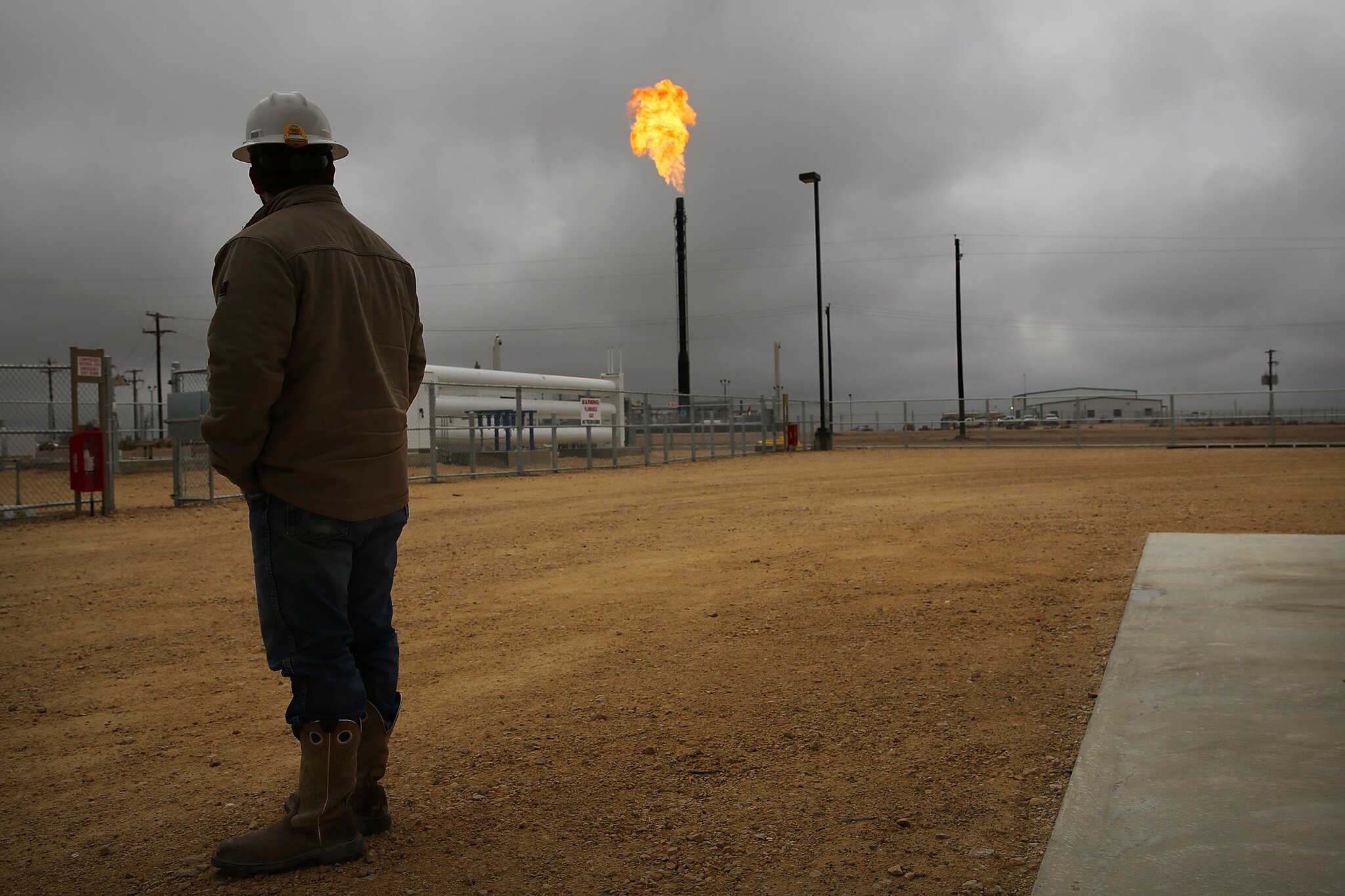
Hyperscalers might regret embracing natural gas if new forecast proves correct Tim De Chant 7:05 AM PDT · August 14, 2026 After years of snapping up wind and solar developments, hyperscalers like Amazon, Google, Meta, and Microsoft are betting that natural gas will power the data centers behind their lofty AI ambitions. But a new research report suggests they may regret their newfound affinity for the fossil fuel .
Natural gas prices could triple in some parts of the U.S. in the coming years as hyperscaler demand collides with declining supply growth and rising exports of liquefied natural gas, according to Noreva , an energy research firm. Hyperscalers might not be prepared for future price shocks.
“I think everyone in the energy markets has been lulled into a sense that gas prices can’t go up,” Peter Gardett, CEO of Noreva, told TechCrunch. “You just need simple arithmetic to get to a much tighter gas market than you were in just a few years ago.”
Cheap gas has pushed hyperscalers to lock up part of the market. In March, Meta said it would build a massive 7.5-gigawatt natural gas power plant in Louisiana to power its Hyperion data center . A few days later , Microsoft and Google each said they’d build their own gigawatt-scale gas power plants, both in Texas. And not to be left out, Amazon plans to build a 7.6-gigawatt gas power plant in Texas.
For companies that historically have shied away from large capital expenditures, the data center building boom suddenly has them investing heavily in the physical world while also pushing them deeper into energy markets, which are even less familiar territory.
Gardett said at least one investor he spoke with was “surprised” by how much natural gas price risk hyperscalers are willing to take on. “They’re doing things that are not normal for an off-taker to do,” he said.
Noreva expects natural gas prices to soar above $10 per million BTUs in certain hubs, or delivery points for futures contracts. Today, prices range from about $2 to $4.50 per million BTUs, with the widely traded Henry Hub in Louisiana priced at just under $3 .
Fuel represents about half the cost of electricity from a large power plant, so a doubling or tripling of natural gas prices could make “bring your own power” AI data centers much more expensive to run. That could drive up token costs, or it could push hyperscalers to connect to the grid, driving electricity prices higher.
For the foreseeable future, natural gas prices appear stable — futures contracts aren’t anticipating big changes. “It’s not an unreasonable bet,” Gardett said. But he’s not convinced they’re right.
Natural gas prices have been stable thanks to years of relatively flat demand and the steady addition of new supplies, which has countered waning production at old wells, Gardett said. He expects that energy companies will be able to add more supplies, just not at the rate they did before. Plus, new wells are getting more expensive.
“That alone wouldn’t change the economics here. What’s changing the number is that finally we’re connecting the domestic gas market to the global gas market,” he said. “And the second is the AI demand pull.”
Hyperscalers have been lured to Texas and Louisiana by cheap natural gas prices. In West Texas, in particular, most wells have been focused on oil, and the natural gas that comes out is a byproduct that hasn’t found much of a market. There weren’t a lot of big pipelines to move it out of the region, so producers sold natural gas at a discount to anyone who could use it. That’s changing, though.
“They’ve finally built some pipelines out there, and a lot of that is headed towards export markets,” Gardett said.
As West Texas becomes more connected to national and international natural gas markets, demand there will influence prices elsewhere and vice versa. Even modest price swings near hyperscalers' big data centers could be magnified elsewhere.
"You will get places where you get a lot of gas next to someplace where there’s none, and so you’ll get those big differentials," Gardett said. It’s those differentials that will drive prices in some regions above $10 per million BTUs for extended periods of time.
Under that scenario, even if hyperscalers can stomach higher prices, their natural gas consumption could add a new dimension to the data center backlash. Already, 80% of consumers are worried about data centers’ impact on their utility bills, mostly related to electricity. That angst could spill over to natural gas bills.
Hyperscalers, in their haste to power their AI data centers, are quickly enmeshing themselves in the fossil fuel world. It’s a space in which they have relatively little experience, but one that could soon materially impact their businesses.
“On future Alphabet earning calls, you will hear them talk about the correlation between natural gas pricing and Google results, which is strange, but that’s where we are,” Gardett said.
When you purchase through links in our articles, we may earn a small commission . This doesn’t affect our editorial independence.
Tim De Chant is a senior climate reporter at TechCrunch. He has written for a wide range of publications, including Wired magazine, the Chicago Tribune, Ars Technica, The Wire China, and NOVA Next, where he was founding editor.
De Chant is also a lecturer in MIT’s Graduate Program in Science Writing, and he was awarded a Knight Science Journalism Fellowship at MIT in 2018, during which time he studied climate technologies and explored new business models for journalism. He received his PhD in environmental science, policy, and management from the University of California, Berkeley, and his BA degree in environmental studies, English, and biology from St. Olaf College.
You can contact or verify outreach from Tim by emailing [email protected] .
October 13 – 15 San Francisco Scale faster. Grow your portfolio. Gain practical expertise. No matter your goal, Disrupt can empower you. Save ...
Indexed and credited by AIPROPX. Originating outlet: TechCrunch. Open at source →
An original, deterministic readout — composed only from the computed coverage facts on this page. No interpretation, no rating; figures only.
AIPROPX has consolidated 1 report from 1 outlet into a single canonical entry on “Hyperscalers might regret embracing natural gas if new forecast proves correct.” Every covered outlet is based in Other.
The only timestamped report came from TechCrunch (Aug 14, 2026, 14:05 UTC).
Comparing the wording across sources, the phrase recurring most across the coverage is “natural gas”.
1 statement is carried by only one outlet within this set and is not echoed by the others.
Every figure above is a direct count of real published articles. AIPROPX indexes and compares the original reporting — it never rewrites, rates, or editorializes — and each publisher’s full article is always one click away.
Generated by AIPROPX from the source counts above. AIPROPX indexes and resolves coverage; the original publishers are credited and linked at origin in every report.
Coverage from 1 independent outlet across 1 region — each view opens on its own page.
AIPROPX — “Hyperscalers might regret embracing natural gas if new forecast proves correct” · https://www.aipropx.com/story/bc59d6c4d5d180d176f3f84661fbc185
Other events being covered across multiple sources right now.
UAE accuses Iran of Hormuz attacks as Vance says cheap gas is "goal number one
33 outletsTrump admin says WH ballroom 'beyond the point of no return' in Supreme Court appeal
32 outletsLuigi Mangione pleads guilty in federal case, admits shooting Brian Thompson
29 outlets6 things to do in Montgomery County this weekend
15 outletsTotal Solar Eclipse in Sunflower Field
12 outletsColumbia man sentenced to federal prison on gun charge