
RESOLVING THE LEDGER
RESOLVING THE LEDGER
This is not a single article. It's every outletcovering this one event, gathered in one place — read AIPROPX's summary, see where the sources line up, then open any report at its origin.
By AIPROPX Editorial Desk · Published · Updated
Everything reported about this story, gathered from 7 sources. Read the summary below, then tap any source to open that report.
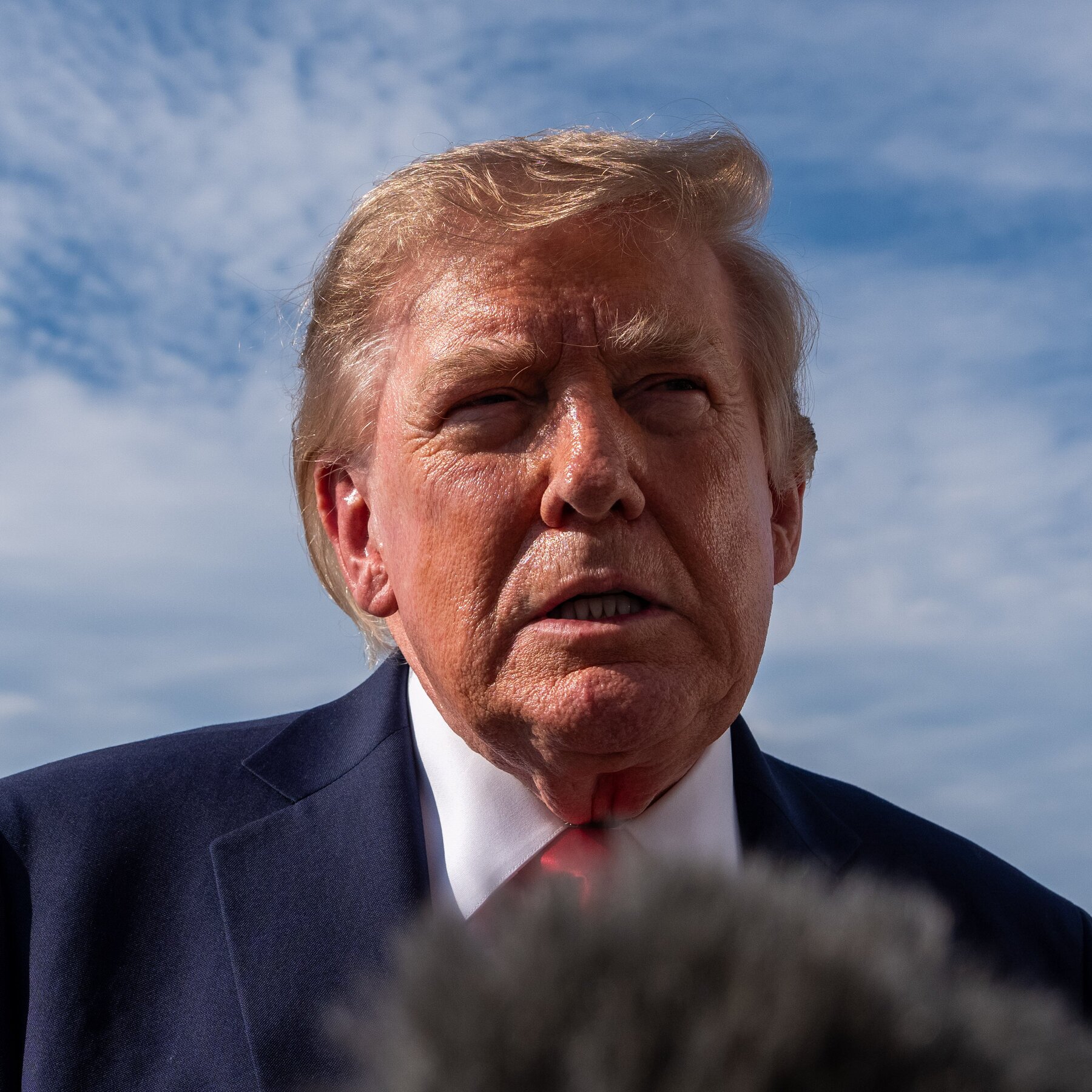
President Trump’s “Economic D-Day” is intended to break the stalemate with Iran. But decades of sanctions have done little to change the country’s behavior.
Summary indexed by AIPROPX from The New York Times — Politics’s reporting — the full article is one click away. Open at source →
7 outlets are covering this. Resolve the ledger to read what they collectively report — the common thread, in plain terms.
Every report on this story — read the summary of each, then open any at its source. AIPROPX summarizes and links; it never reproduces the original.
President Trump’s “Economic D-Day” is intended to break the stalemate with Iran. But decades of sanctions have done little to change the country’s behavior.
Read this reportAlso on the daily podcast: the Philippines’ offshoring industry grows despite AI and where to move to get paid most
Read this reportThe US is expanding sanctions on Iran's financial networks, targeting crypto, gold, aviation and shipping. DW spoke with analysts about what could change.
Read this report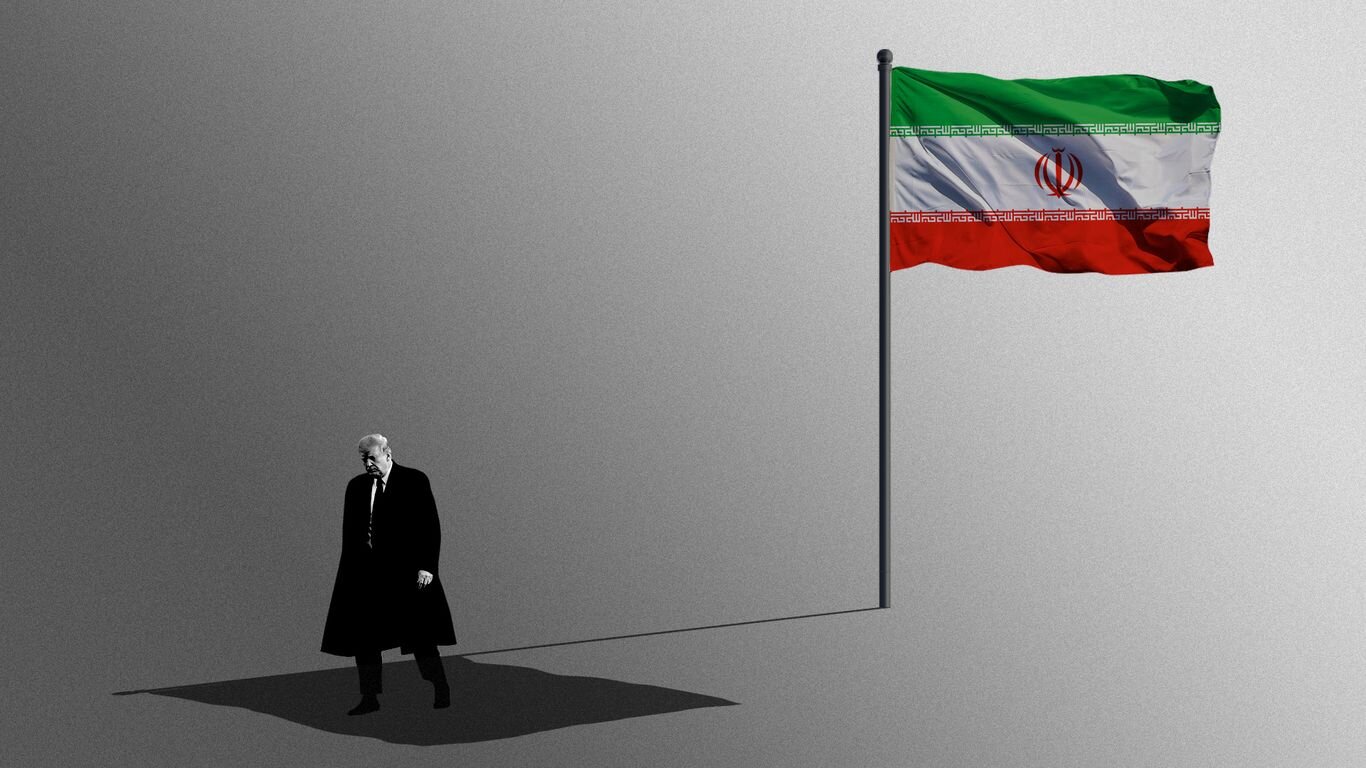
President Trump's "economic D-Day" for Iran came and went Monday with little of the shock or awe it promised, amounting instead to yet another extended ultimatum. Why it matters: Operation Economic Outcast will unfold not like the Allied invasion of Normandy, but as a sweeping, slow-burn sanctions campaign that could eventually lock Iran's foreign enablers out of the U.S. financial system. Zoom in: Treasury Secretary Scott Bessent kicked off the operation by blacklisting more than 60 Iran-linked targets and widening the reach of secondary sanctions. "Every country has a defined timeline to ...
Read this report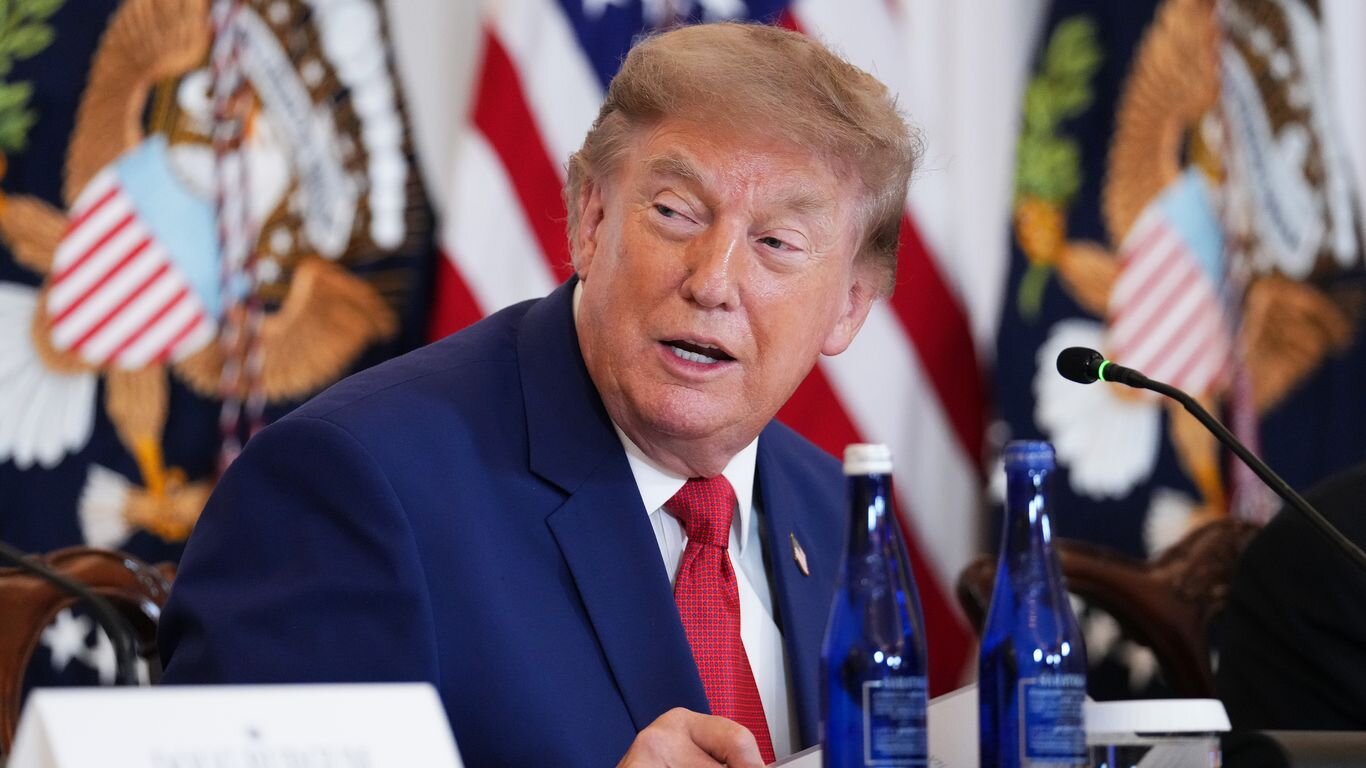
President Trump is escalating economic pressure on Tehran more than six months into the Iran war, aiming to squeeze Iranian leaders into submission. Why it matters: Trump's campaign could test how much economic pain Iran is willing to take before its leaders tap out. Driving the news: Trump declared last week that Iran would face an "economic D-Day" amid the ongoing war. The president has been adamant that Iran's economy is "COMPLETELY COLLAPSING!!!" Treasury Secretary Scott Bessent unveiled a plan Monday to cripple Iran's economy in what he called the "single greatest financial offensive e...
Read this report
Washington launches campaign to isolate Tehran but it is unclear whether it will apply measures to China The US has threatened to impose severe sanctions against any country or entity maintaining economic ties with Iran, hoping to achieve with economic measures what military means have so far failed to do. It is unclear, however, how far the Trump administration is prepared to go in confronting China, Iran’s biggest trading partner, which has signalled its resistance to US economic pressure to cut off links with an ally. Continue reading...
Read this report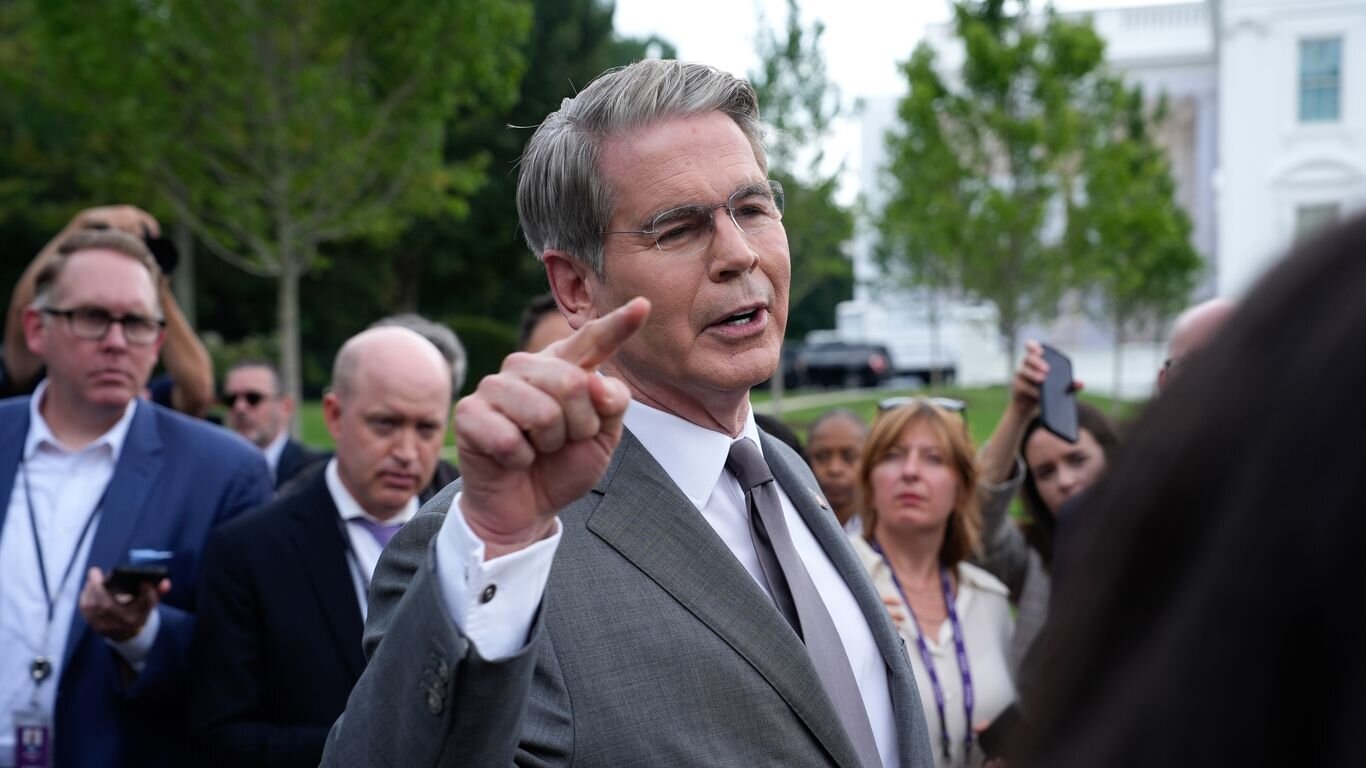
Treasury Secretary Scott Bessent announced on Monday that the U.S. will impose punishing sanctions on countries and entities that do business with Iran — an attempt to bring the country to heel absent renewed military strikes. Why it matters: The plan, which Bessent dubbed "Operation Economic Outcast," is aimed at ratcheting up pressure on the Iranian regime amid the current "no war, no deal" limbo. U.S. officials say the expanded "secondary" sanctions are expected to be the main course of action against Iran until at least after the midterm elections, when a new military campaign could aga...
Read this report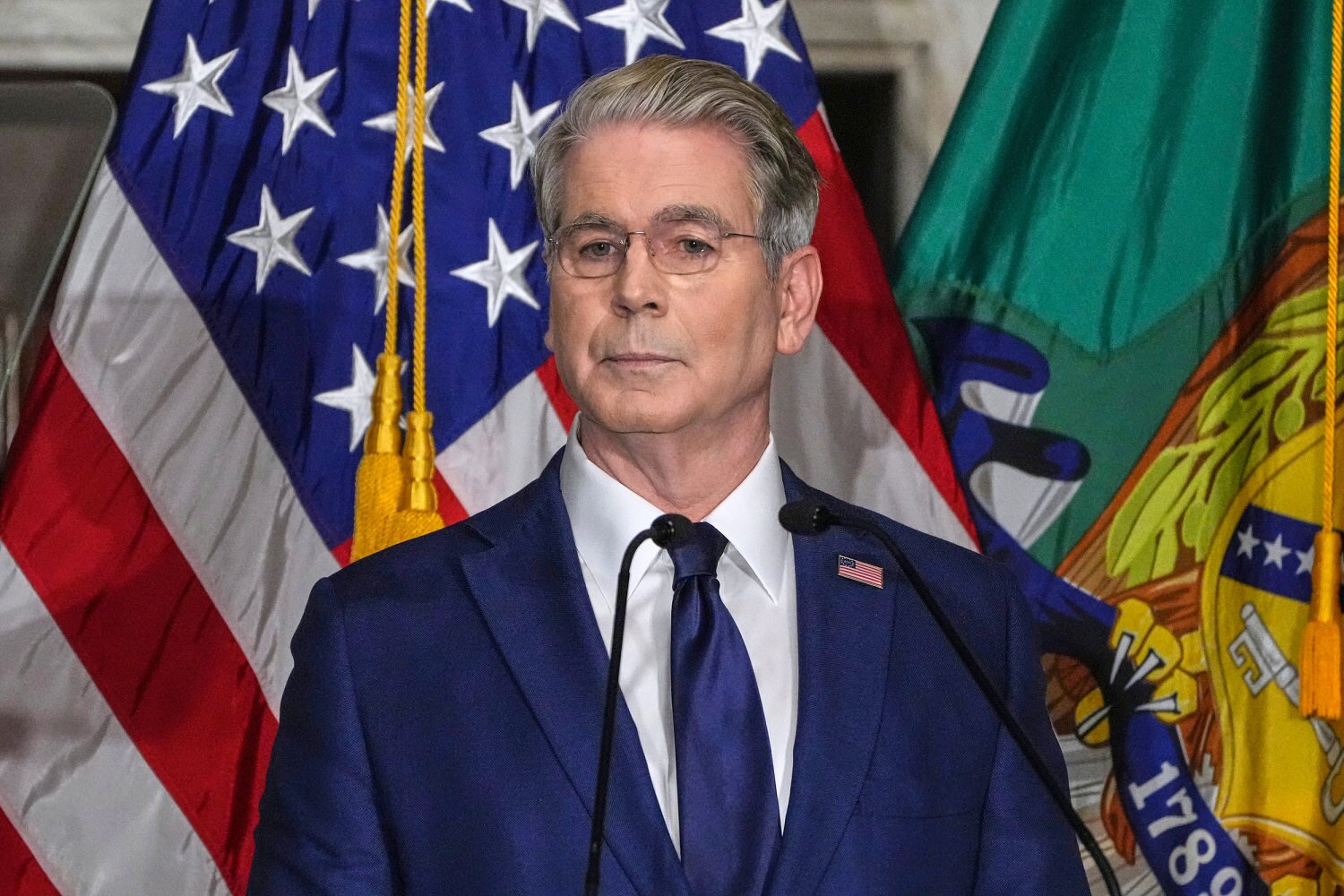
Monday’s announcement was directed at countries whose trade and business relations still benefit the Islamic Republic.
Read this reportAn original, deterministic readout — composed only from the computed coverage facts on this page. No interpretation, no rating; figures only.
AIPROPX has consolidated 9 reports from 7 outlets into a single canonical entry on “What’s More Than ‘Maximum’? Trump Faces Limits on Iran Sanctions..” The covered outlets are based across 4 regions — US, Other, Europe, and UK.
The earliest report in this entry came from NBC News — Top (Aug 24, 2026, 17:25 UTC); the most recent came from The New York Times — Politics (Aug 25, 2026, 19:14 UTC).
Comparing the wording across sources, 8 named entities are referenced by multiple outlets and the phrase recurring most across the coverage is “trump economic day”.
8 statements are carried by only one outlet within this set and are not echoed by the others.
Every figure above is a direct count of real published articles. AIPROPX indexes and compares the original reporting — it never rewrites, rates, or editorializes — and each publisher’s full article is always one click away.
Generated by AIPROPX from the source counts above. AIPROPX indexes and resolves coverage; the original publishers are credited and linked at origin in every report.
Coverage from 7 independent outlets across 4 regions — each view opens on its own page.
AIPROPX — “What’s More Than ‘Maximum’? Trump Faces Limits on Iran Sanctions.” · https://www.aipropx.com/story/bf521f0eca42b700195f62e506fbb1f4
Other events being covered across multiple sources right now.
From tariffs to French: Trump’s trade war with Canada takes a cultural turn
4 outletsWhat to Know About the Apparent Iranian Threat Against Barron Trump
9 outletsIran says the U.S. is standing in the way of Hormuz deal amid talks with Oman
8 outletsTrump claims CIA director’s surprise visit to Russia is ‘semi-routine’ despite mounting speculation
6 outletsMeta agrees to settle teen addiction lawsuit for up to $18 billion, sets time limits for teens
4 outletsMore Than 52,000 Orange County Property Tax Bills Due Monday