
RESOLVING THE LEDGER
RESOLVING THE LEDGER
Only one outlet has reported this event so far — you're reading it below, credited to its source. AIPROPX is tracking the web for more coverage; as additional outlets confirm it, this becomes a full multi-source story automatically.
By AIPROPX Editorial Desk · Published · Updated
One outlet is reporting this so far. AIPROPX is tracking it and will gather every additional source as it develops — the full multi-source comparison appears automatically once a second outlet confirms it.
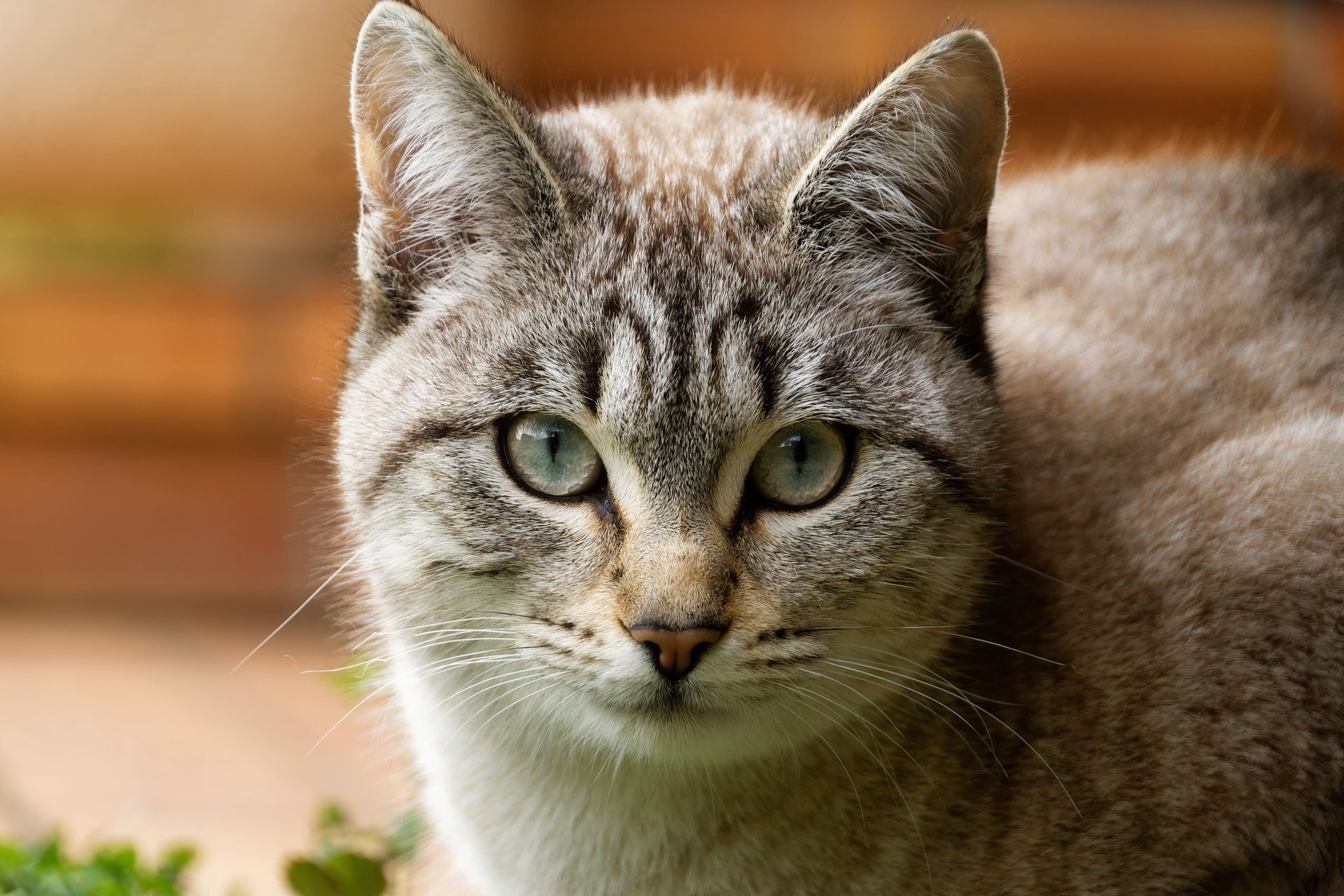
Menu Business News Airlines Automobiles Food Pharmaceuticals Politics & Government Retail & Ecommerce Space & Aerospace Earnings Menu Technology A.I. Computing Consumer Tech Space & Aerospace Earnings Menu Money & Markets Economic Indicators Markets Personal Finance Earnings Menu Lifestyle Cars & Bikes Collecting Entertainment Food & Fine Dining Health and Fitness Real Estate Travel Lifestyle 15 things vets wish every cat owner knew — but most never ask Veterinarians share 15 things every cat owner should know, from hidden signs of illness to overlooked care habits that protect a cat's health
List slides 15 things vets wish every cat owner knew — but most never ask List slides Previous Start over By Cris Tolomia · Updated August 4, 2026 Add QZ to Google Most cat owners find out what their veterinarian actually meant only after a routine visit turns into unexpected news. Cats are built to hide pain, weight loss, and early disease, so the signals a vet relies on are often things an owner never thought to mention. A cat can look completely normal at home and still be diagnosed with kidney disease, dental infection, or arthritis at the next exam. That gap between visits is where most preventable problems take hold.
This list gathers 15 things vets wish every cat owner knew but rarely gets asked about directly. Some are about biology: cats are obligate carnivores with nutritional needs no other common pet shares, and their bodies process stress in ways that show up as physical illness rather than obvious anxiety. Others are about habits that seem harmless but quietly shape a cat's long-term health, like how litter boxes are counted in multi-cat homes or how much water actually ends up in a bowl of dry food.
None of this requires a dramatic change in how a cat is cared for. Most of it is about noticing sooner: a shift in appetite, a new hiding spot, a litter box skipped once too often. Cats do not narrate their own decline, so the burden of noticing falls on the person who sees them every day, even when nothing looks obviously wrong.
Each entry below stands on its own, drawn from established veterinary knowledge rather than trends or anecdote. Read straight through or jump to the one that matches a question already forming about a cat at home. Either way, the goal is the same: closing the distance between what a vet already knows and what an owner finds out only when it is almost too late to matter.
Cats mask pain and illness as a survival instinct inherited from their wild ancestors, which means a cat that appears completely normal may already be sick. In the wild, showing weakness invites predators, so cats evolved to conceal limping, nausea, and discomfort until a problem becomes severe. Veterinarians see this pattern constantly: a cat arrives for what the owner assumed was a routine visit and turns out to have advanced kidney disease, arthritis, or a dental abscess no one at home had noticed.
The behaviors worth watching for are subtle. A cat eating a little less, sleeping in an unfamiliar spot, grooming less often, or hiding more than usual is often communicating discomfort in the only way available to it. Sudden aggression or withdrawal from a normally social cat can also point to pain rather than a change in personality. Because these shifts happen gradually, the owner who sees the cat every single day is often the last person to notice them.
Weight is one of the most reliable indicators veterinarians use, because it changes slowly and predictably with illness. A cat losing muscle along its spine or hips, even while its belly looks the same size, is often losing weight it cannot afford to lose. Checking body condition by hand once a month, running fingers along the ribs and spine, catches this shift long before a bathroom scale would.
Litter box habits also carry information a cat cannot express directly. Straining, crying out, or avoiding the box altogether can signal a urinary blockage, which in male cats especially can turn into a medical emergency within a day. Diarrhea or constipation lasting more than a day or two is not something to simply wait out.
The safest approach is to treat any change in a cat's normal routine as a reason to call a vet, rather than waiting for obvious signs of distress. Cats rarely vocalize pain the way dogs do, so quiet should never be mistaken for wellness. A short phone call describing what changed, even something as small as a new sleeping spot, gives a veterinarian more useful information than most owners realize.
Indoor cats need a veterinary exam at least once a year, because staying inside does not stop the two biggest threats to feline health: dental disease and age-related organ decline. Both develop silently, regardless of whether a cat ever sets foot outdoors, and both are far easier to manage when caught early through routine bloodwork and a physical exam rather than discovered later through symptoms.
An annual visit typically includes a weight check, a dental assessment, palpation of the abdomen to feel for organ changes, and a conversation about diet and behavior. Vets are trained to notice things owners miss during daily life, such as early muscle loss along the spine, a heart murmur that was not there the year before, or slightly enlarged kidneys felt through the abdominal wall. None of these show up as visible symptoms until the underlying problem has already progressed.
Owners sometimes assume indoor cats face fewer health risks overall, which is true for injury and infectious disease but not for the chronic conditions that account for most feline illness. Obesity, kidney disease, hyperthyroidism, and dental disease are all common in cats that have never left an apartment. Reduced activity indoors can actually make weight gain more likely, not less, since indoor cats burn fewer calories than their outdoor counterparts while often eating the same amount.
Bloodwork becomes especially valuable starting around age seven, when...
Indexed and credited by AIPROPX. Originating outlet: Quartz. Open at source →
An original, deterministic readout — composed only from the computed coverage facts on this page. No interpretation, no rating; figures only.
AIPROPX has consolidated 1 report from 1 outlet into a single canonical entry on “15 things vets wish every cat owner knew.” Every covered outlet is based in Other.
The only timestamped report came from Quartz (Aug 4, 2026, 16:35 UTC).
Comparing the wording across sources, the phrase recurring most across the coverage is “every cat owner”.
1 statement is carried by only one outlet within this set and is not echoed by the others.
Every figure above is a direct count of real published articles. AIPROPX indexes and compares the original reporting — it never rewrites, rates, or editorializes — and each publisher’s full article is always one click away.
Generated by AIPROPX from the source counts above. AIPROPX indexes and resolves coverage; the original publishers are credited and linked at origin in every report.
Coverage from 1 independent outlet across 1 region — each view opens on its own page.
AIPROPX — “15 things vets wish every cat owner knew” · https://www.aipropx.com/story/d9f9458eeda8d54194fc88d671f6890b
Other events being covered across multiple sources right now.
5 things to do this week in Greenville
5 outletsThe Next Xbox Could Be Every Xbox Ever Rolled Into One
4 outlets5 Things to Know Before the Stock Market Opens on Tuesday
4 outletsHow Artificial Intelligence Is Changing Every Career Path in 2026
3 outletsYour Tuesday, Aug. 4 Guide: Five things to do in the Oil City
3 outlets13 amazing things to see during the total solar eclipse on Aug. 12