
RESOLVING THE LEDGER
RESOLVING THE LEDGER
This is not a single article. It's every outletcovering this one event, gathered in one place — read AIPROPX's summary, see where the sources line up, then open any report at its origin.
By AIPROPX Editorial Desk · Published · Updated
Everything reported about this story, gathered from 3 sources. Read the summary below, then tap any source to open that report.

The elephants ate contaminated tomatoes from nearby farms. It was unclear if the poisoning was deliberate or accidental.
Summary indexed by AIPROPX from Deutsche Welle’s reporting — the full article is one click away. Open at source →
3 outlets are covering this. Resolve the ledger to read what they collectively report — the common thread, in plain terms.
Every report on this story — read the summary of each, then open any at its source. AIPROPX summarizes and links; it never reproduces the original.
The elephants ate contaminated tomatoes from nearby farms. It was unclear if the poisoning was deliberate or accidental.
Read this reportAnalysis of samples collected from carcasses found traces of toxic chemical compound, says Kenya Wildlife Service The recent deaths of 15 elephants near a park in southern Kenya in the past month were likely caused by the animals ingesting pesticides used on nearby tomato farms, the Kenya Wildlife Service (KWS) has said. Erustus Kanga, the agency’s director general, told Citizen TV that analysis of samples collected from the carcasses had found traces of cyanide, a chemical compound used in farming as a predator control poison and a pest fumigant, which has also been used by poachers. Conti...
Read this report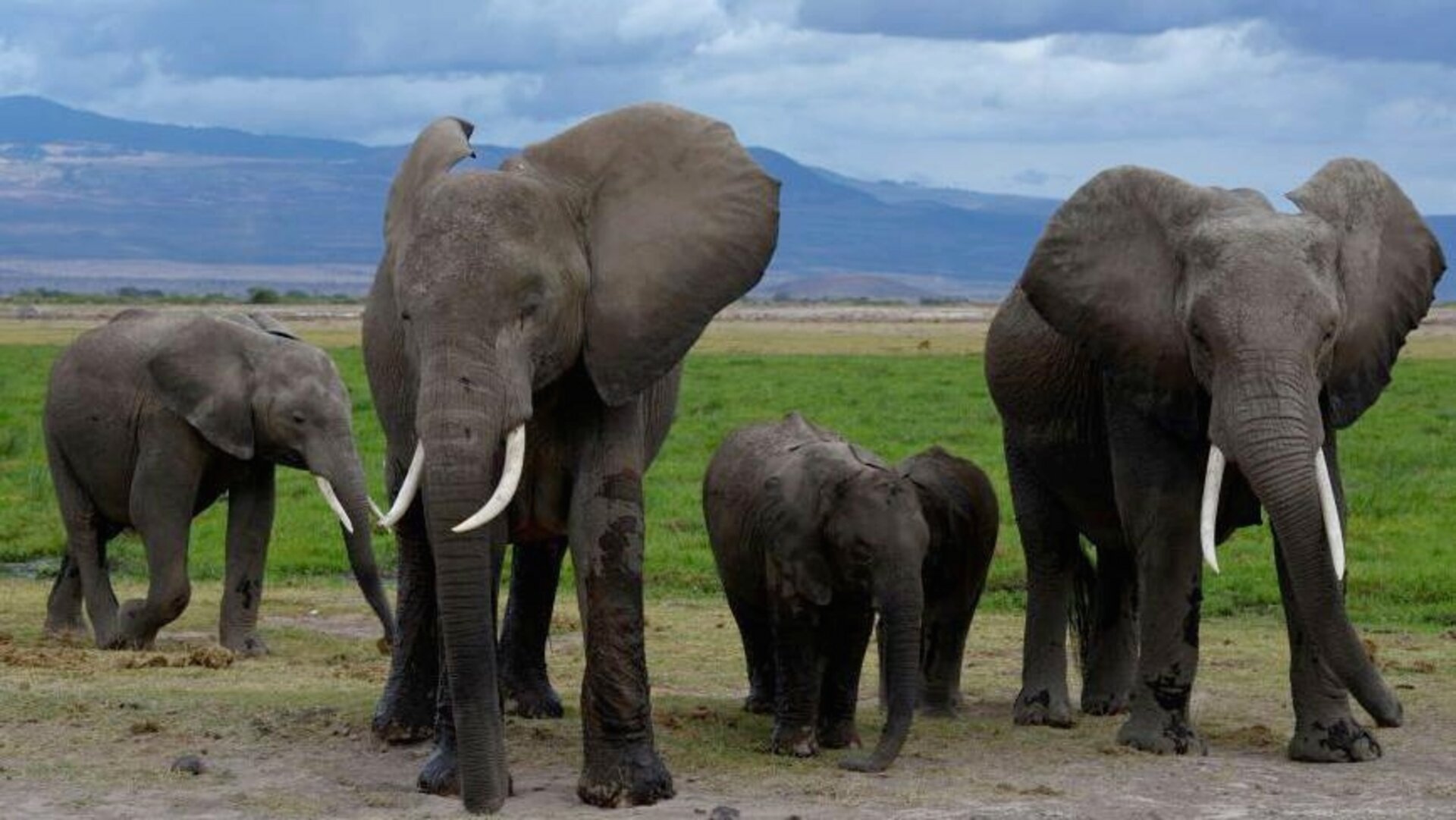
Foul play is ruled out in the record number of elephant deaths for decades in this area of southern Kenya.
Read this reportAn original, deterministic readout — composed only from the computed coverage facts on this page. No interpretation, no rating; figures only.
AIPROPX has consolidated 3 reports from 3 outlets into a single canonical entry on “Fifteen elephant deaths at Kenya park may be due to cyanide poisoning.” The covered outlets are based across 2 regions — UK and Europe.
The earliest report in this entry came from BBC News (Jul 30, 2026, 12:14 UTC); the most recent came from Deutsche Welle (Jul 30, 2026, 17:31 UTC).
Comparing the wording across sources, 1 named entity is referenced by multiple outlets and the phrase recurring most across the coverage is “kenya wildlife service”.
2 statements are carried by only one outlet within this set and are not echoed by the others.
Every figure above is a direct count of real published articles. AIPROPX indexes and compares the original reporting — it never rewrites, rates, or editorializes — and each publisher’s full article is always one click away.
Generated by AIPROPX from the source counts above. AIPROPX indexes and resolves coverage; the original publishers are credited and linked at origin in every report.
Coverage from 3 independent outlets across 2 regions — each view opens on its own page.
AIPROPX — “Fifteen elephant deaths at Kenya park may be due to cyanide poisoning” · https://www.aipropx.com/story/de39d1dcf1edc3fb551396f3433d9eda
Other events being covered across multiple sources right now.
Is Infantino finished? Could Uefa boycott World Cup? What happens now?
14 outletsTrump claims agreement for ‘complete disarmament’ of Hamas in Gaza but support uncertain
12 outletsThousands of migrants cross from Morocco into Spanish enclave
9 outletsSecurity camera shows ‘Russian missile’ exploding in Poland
6 outletsClimate change made France, Spain wildfire conditions far more likely, scientists say
6 outletsWater main break closes city park