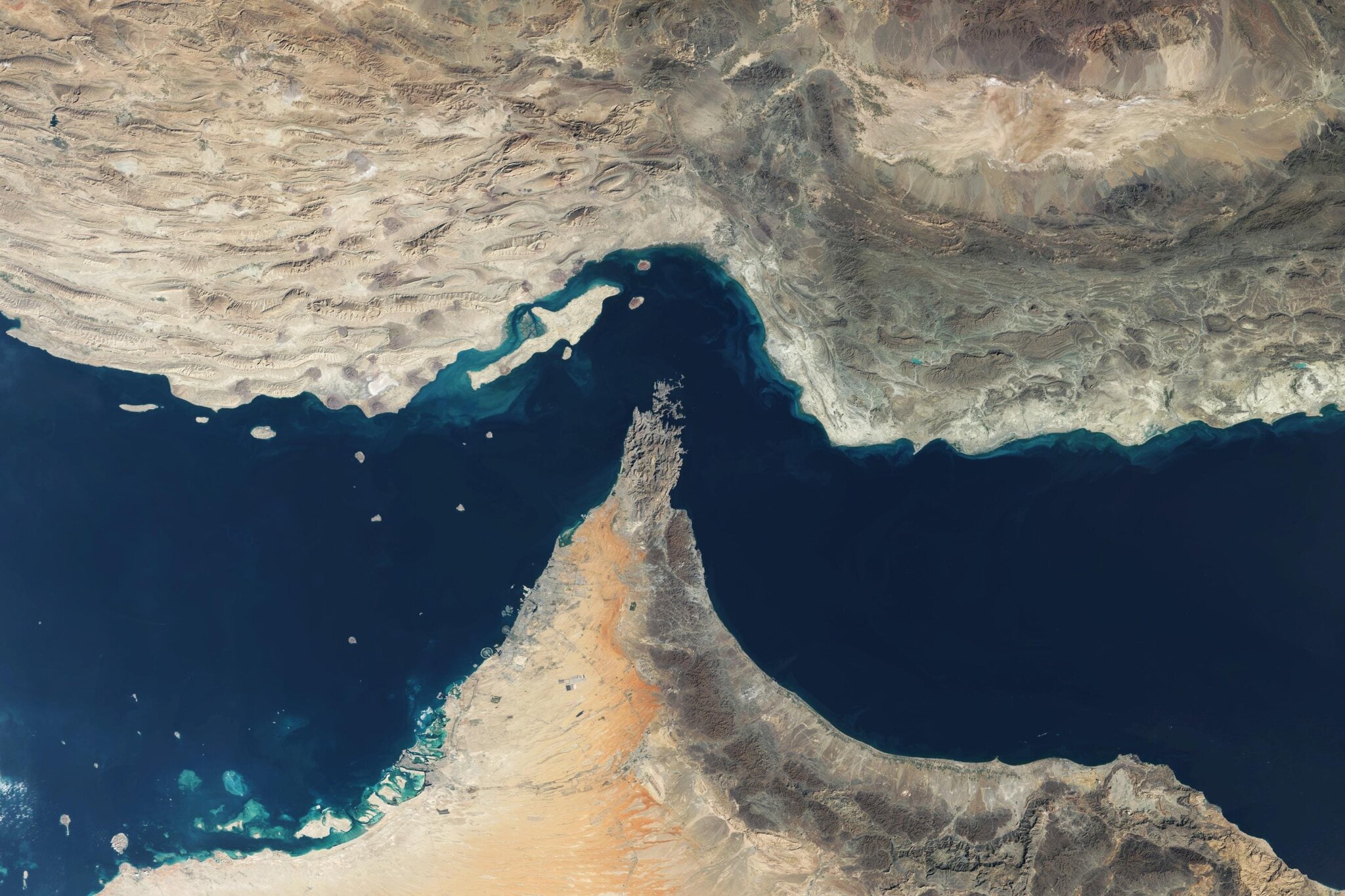
This is one outlet's own report from Forbes — the article as it was filed. Other outlets are covering the same event; open the full story to compare every source side by side.
Forbes contributors publish independent expert analyses and insights. I focus on the nexus of AI adoption, energy, and geopolitics. Follow Author Jul 28, 2026, 05:28pm EDT --:-- / --:-- This voice experience is generated by AI. Learn more . This voice experience is generated by AI. Learn more . Summary Oman has presented Iran with a Gulf-backed proposal for joint regional management of the Strait of Hormuz. The plan suggests voluntary fees for passage support, contrasting with Iran's desire for unilateral control and mandatory tolls. This initiative aims to establish a new governance model, moving beyond mere transit to defining who sets the rules and whether charges apply. While the US maintains its stance on free transit, the "voluntary" nature of the fees could still become de facto mandatory due to geopolitical pressures, impacting shipping contracts and insurance. This proposal signifies a potential shift for Hormuz from a geographic fact to a negotiated institution, with long-term implications for global energy routes and maritime law.
The Oman Iran Hormuz plan now on the table is a Gulf-backed proposal that treats the Strait of Hormuz as something to administer, not only to threaten. Joint regional management. Ships asked for voluntary fees tied to passage support, not a unilateral Iranian toll. A Gulf source and a Western diplomat described the plan to Reuters on Tuesday . They said Oman handed it to Iran over the weekend, and that under the design Iran would not run the waterway alone.
That package is the signal worth pricing. The fight over Hormuz is no longer only whether tankers can move. It is who writes the rules of movement, and whether those rules include a charge.
Energy buyers, shipowners, insurers and banks face a practical choice. Keep modelling Hormuz as a wartime disruption that snaps back to free transit, or treat it as a lasting change in route governance : charters, war-risk cover, compliance files and backup corridors that stay relevant even when the shooting pauses.
Before the war, about a fifth of the world's oil, and a large share of liquefied natural gas, moved through the strait. Iran effectively closed it to other ships after U.S. and Israeli strikes began on February 28. A June arrangement partially reopened traffic. That arrangement collapsed in early July after Iran fired on vessels using a channel Tehran did not approve, Reuters reported .
Iran's public line is clear. It wants to manage the strait with Oman, which holds the opposite shore, and charge service fees. Deputy Foreign Minister Kazem Gharibabadi has described a split in which Iran would manage one-way shipping on its side and Muscat would manage part, but not all, of the opposite direction. Tehran has also built a Persian Gulf Strait Authority that, Iran says, ships should liaise with before transit.
Washington still prefers the pre-war baseline: free transit, no payments. Officials have called mandatory fees illegal. In June, Secretary of State Marco Rubio said no country has the right to charge for international waterways. President Donald Trump has been less consistent: a mid-July suggestion that the United States could charge for use of the strait, then later language that nobody should charge. The legal noise matters less than the political fact. Fee politics is now inside the deal, not beside it.
Oman's text tries to give Gulf states something they can live with. Fees voluntary. Control regional, not solely Iranian. The model named in briefings is the Strait of Malacca, where Indonesia, Malaysia and Singapore seek voluntary contributions for navigation safety, environmental work and search and rescue. A Western diplomat compared it to a voluntary carbon tax on flights: tick a box if you want to pay.
The analogy does political work. It reframes a toll as a service fund. It also keeps Muscat, not only Tehran, inside the administrative room the June framework already pointed toward when it gave Oman a role in defining future administration of the strait.
Screens still price Hormuz in barrels and daily transit counts. Underneath sit three systems that do not average into "Gulf tension."
Iranian mandatory control. Fees here are not spare change for buoys. They are recognition that passage runs through Tehran's system. Reuters reporting on the fee dispute has described formalizing control of the strait as Tehran's most important goal in this phase of the conflict. Separate conflict tracking by the Institute for the Study of War and the Critical Threats Project has made the same judgment in harder language: Iranian officials have treated recognition of control over Hormuz as central leverage and deterrence, not a side demand ( CTP-ISW, 12 May 2026 ).
U.S. free-transit restoration. Naval pressure and legal language both push toward a waterway that looks ordinary again: no toll, no Iranian administrator, commercial risk only. That is a different contract from a managed strait.
Gulf preference, now written into Oman's plan. No mandatory payment to Iran. Room for voluntary arrangements tied to navigational services. On July 9 Oman told the International Maritime Organization's council it does not support transit fees on vessels in the strait, while seeing merit in voluntary support arrangements. The IMO is not in the current fee talks, according to the same wire trail . Europe has been testing similar voluntary-fee ideas for weeks ( Guardian, 11 July ).
Each system produces different residual risk. Free transit: attack, mines, delay. Voluntary fund: pressure to pay, and who holds the money. Mandatory Iranian rules: interception, denial of passage, and a banker's question about paying into a structure Washington may treat as illegitimate. Mixing them into one "geopolitical risk" line hides which contract you are actually signing.
Maritime law will be argued as a weapon. The United Nations Convention on the Law...
AIPROPX is an independent multi-source news index — we track, compare, and connect coverage from across the web into one place you won't find anywhere else.