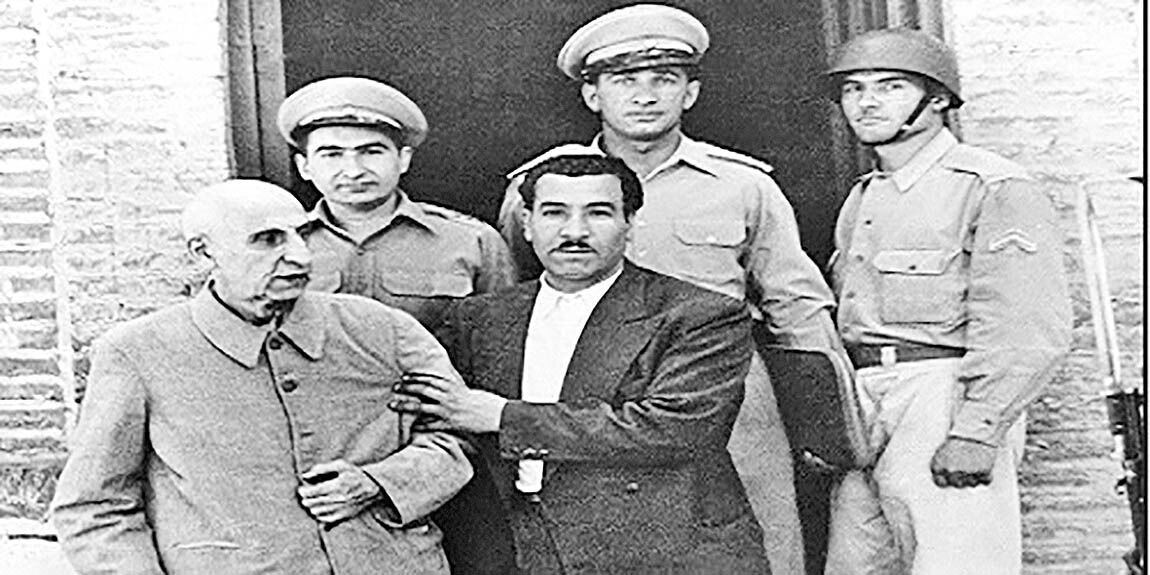
TEHRAN — August 19, 1953, remains a pivotal and deeply contested date in Iran’s modern history. The events surrounding the overthrow of Prime Minister Mohammad Mosaddegh and the subsequent political developments have continued to shape Iranian perceptions of foreign intervention, national sovereignty and independence.
Mosaddegh, who had led the nationalization of Iran’s oil industry, was removed from power following Operation Ajax, a covert operation involving the US Central Intelligence Agency (CIA) and Britain’s MI6. The coup marked a major turning point in Iran’s political history and paved the way for the consolidation of Mohammad Reza Pahlavi’s rule.
For many Iranians, the events of 1953 remain a symbol of foreign interference and the struggle to safeguard the country’s political and economic sovereignty. The subsequent decades of the Pahlavi monarchy were marked by growing political repression, including the activities of SAVAK, the monarchy’s intelligence and security organization.
The 1953 coup also left a lasting legacy in Iran’s relations with Western powers. The episode continues to feature prominently in Iranian political discourse, particularly in discussions over foreign intervention, control of national resources and the right of nations to determine their own political future.
More than seven decades later, Operation Ajax remains a reference point in debates over Iran’s independence and resistance to external pressure. From Tehran’s perspective, the experience of 1953 reinforced the conviction that national sovereignty must be protected against attempts by foreign powers to influence Iran’s internal affairs.
The legacy of August 19, 1953, therefore extends beyond the events of a single day. It remains part of a broader historical narrative in Iran concerning sovereignty, independence and resistance to foreign domination.