
RESOLVING THE LEDGER
RESOLVING THE LEDGER
This is not a single article. It's every outletcovering this one event, gathered in one place — read AIPROPX's summary, see where the sources line up, then open any report at its origin.
By AIPROPX Editorial Desk · Published · Updated
Everything reported about this story, gathered from 6 sources. Read the summary below, then tap any source to open that report.
A flowering plant has been confirmed as a new carnivorous lineage, according to research published in Nature Communications. The findings show that Saxifraga candelabrum can attract, trap, digest and absorb nitrogen from insects, supporting a prediction made by Charles Darwin more than 150 years ago.
Summary indexed by AIPROPX from Phys.org’s reporting — the full article is one click away. Open at source →
6 outlets are covering this. Resolve the ledger to read what they collectively report — the common thread, in plain terms.
Every report on this story — read the summary of each, then open any at its source. AIPROPX summarizes and links; it never reproduces the original.

A flowering plant has been confirmed as a new carnivorous lineage, according to research published in Nature Communications. The findings show that Saxifraga candelabrum can attract, trap, digest and absorb nitrogen from insects, supporting a prediction made by Charles Darwin more than 150 years ago.
Read this report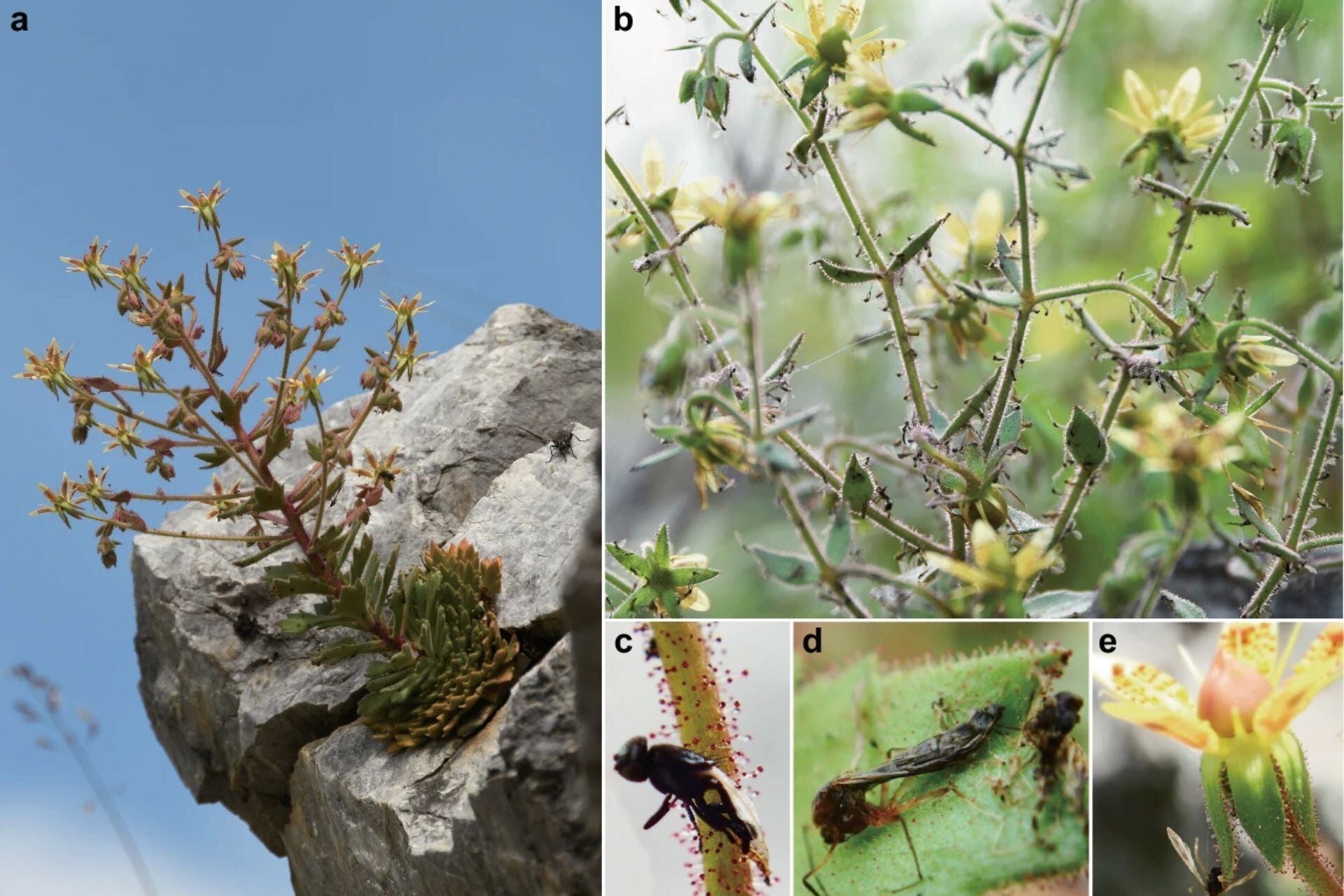
New research appears to confirm that some Saxifraga plants do indeed munch on insects for subsistence.
Read this report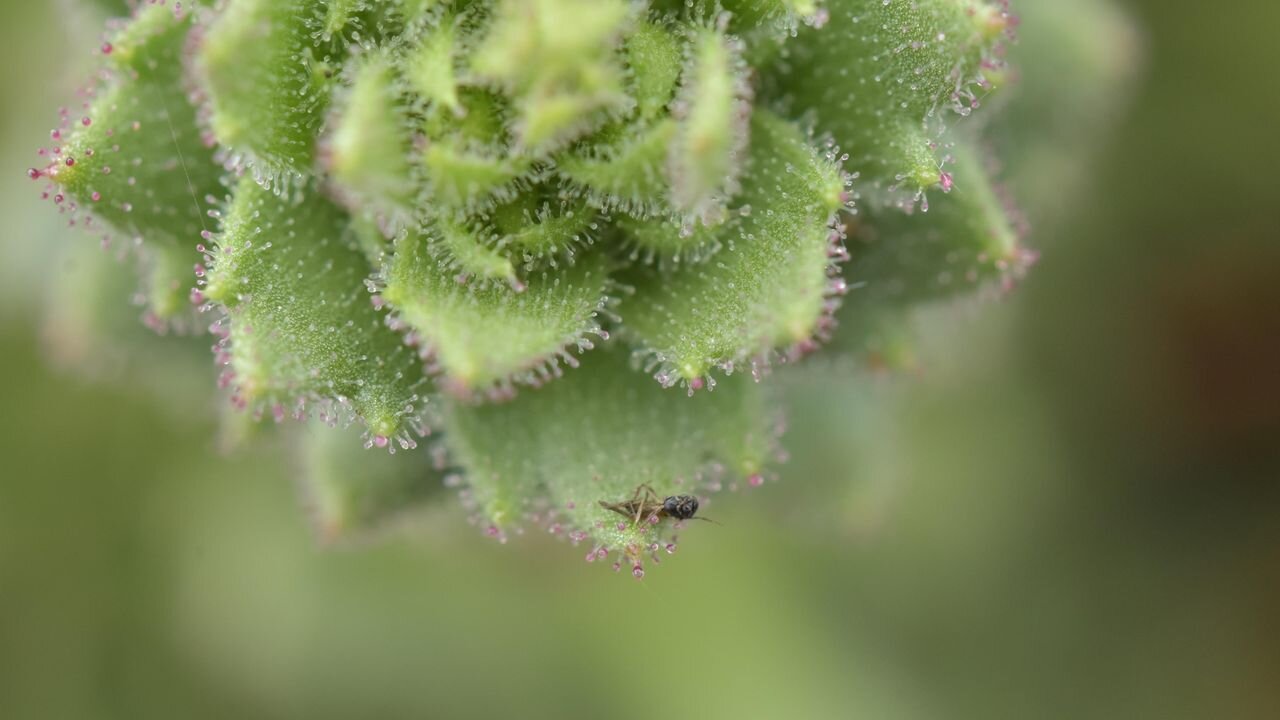
Researchers have confirmed that a plant native to alpine regions in southwest China is carnivorous, supporting a Darwinian theory from 1875.
Read this reportCharles Darwin predicted in 1875 that some members of the Saxifraga genus could be carnivorous—now scientists have finally proven him right
Read this report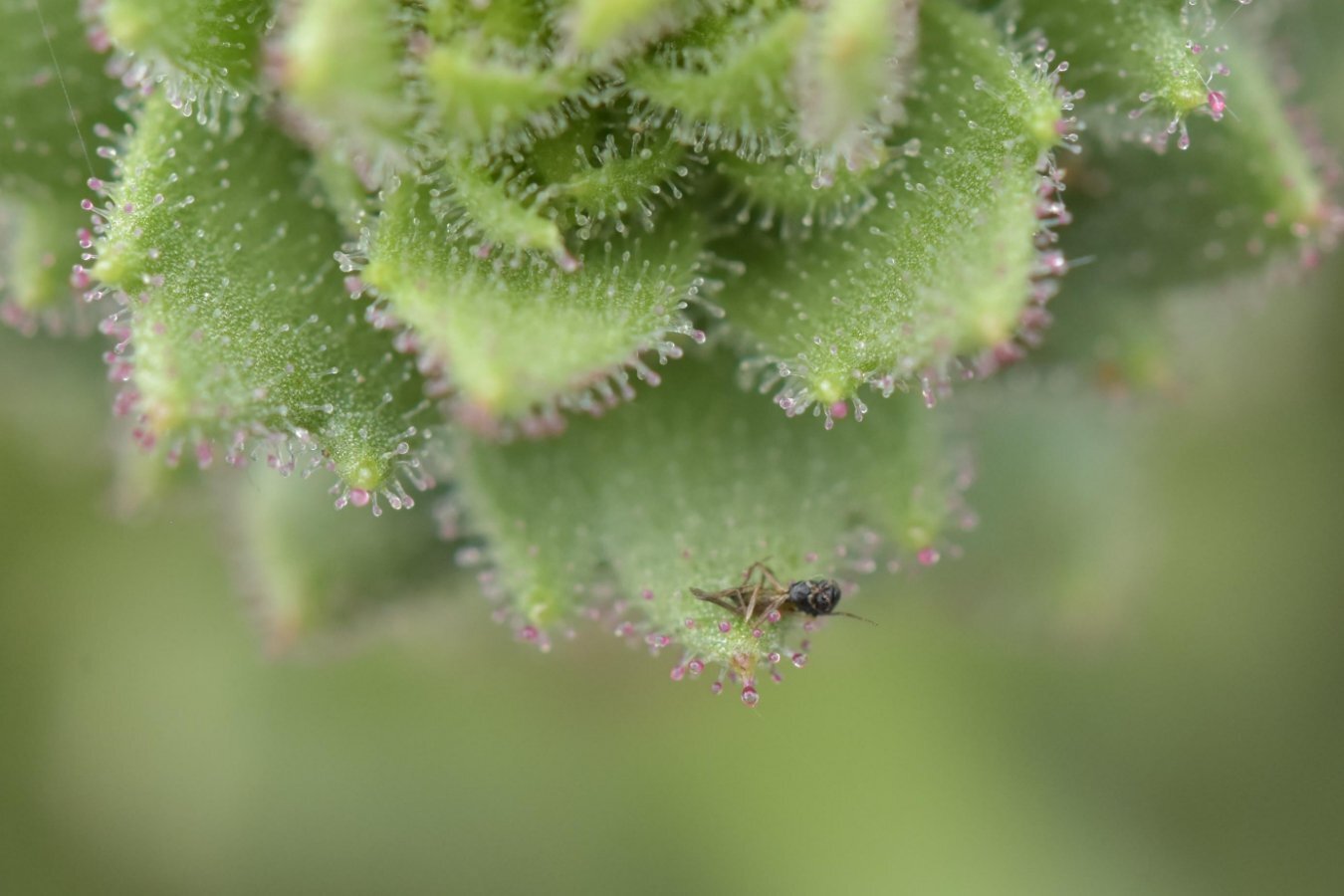
Botanists have finally proved what Charles Darwin was unable to nail down – that a genus of plants known to catch insects also digests them, suggesting the extent of plant carnivory has been underestimated
Read this reportAn original, deterministic readout — composed only from the computed coverage facts on this page. No interpretation, no rating; figures only.
AIPROPX has consolidated 6 reports from 6 outlets into a single canonical entry on “Sticky alpine flower confirms Darwin's 150-year-old carnivorous plant prediction.” The covered outlets are based across 2 regions — Other and US.
The earliest report in this entry came from New Scientist (Aug 4, 2026, 15:00 UTC); the most recent came from Phys.org (Aug 4, 2026, 19:40 UTC).
Comparing the wording across sources, 6 named entities are referenced by multiple outlets and the phrase recurring most across the coverage is “carnivorous plant”.
8 statements are carried by only one outlet within this set and are not echoed by the others.
Every figure above is a direct count of real published articles. AIPROPX indexes and compares the original reporting — it never rewrites, rates, or editorializes — and each publisher’s full article is always one click away.
Generated by AIPROPX from the source counts above. AIPROPX indexes and resolves coverage; the original publishers are credited and linked at origin in every report.
Coverage from 6 independent outlets across 2 regions — each view opens on its own page.
AIPROPX — “Sticky alpine flower confirms Darwin's 150-year-old carnivorous plant prediction” · https://www.aipropx.com/story/88df4c483ef7bc915c3f0268f201f050
Other events being covered across multiple sources right now.
10-year-old boy doesn't remember dramatic rescue by lifeguard from pounding California surf
5 outletsPolice arrest 15-year-old after Yonkers shooting leaves 1 dead, 4 teens critically injured
5 outlets17-year-old arrested in 2024 Myrtle Beach-area homicide
3 outletsMilwaukee police search for critically missing 43-year-old
3 outlets20-year-old charged in Flock camera vandalism
1 outlets10-year-old shoot mom over VR headset